
Twelve bodies recovered from migrant boat south of Crete, 18 rescued by passing cargo ship as Frontex spots two more boats the same morning
Deaths recur monthly on the EU's busiest route while crossings fall
Images
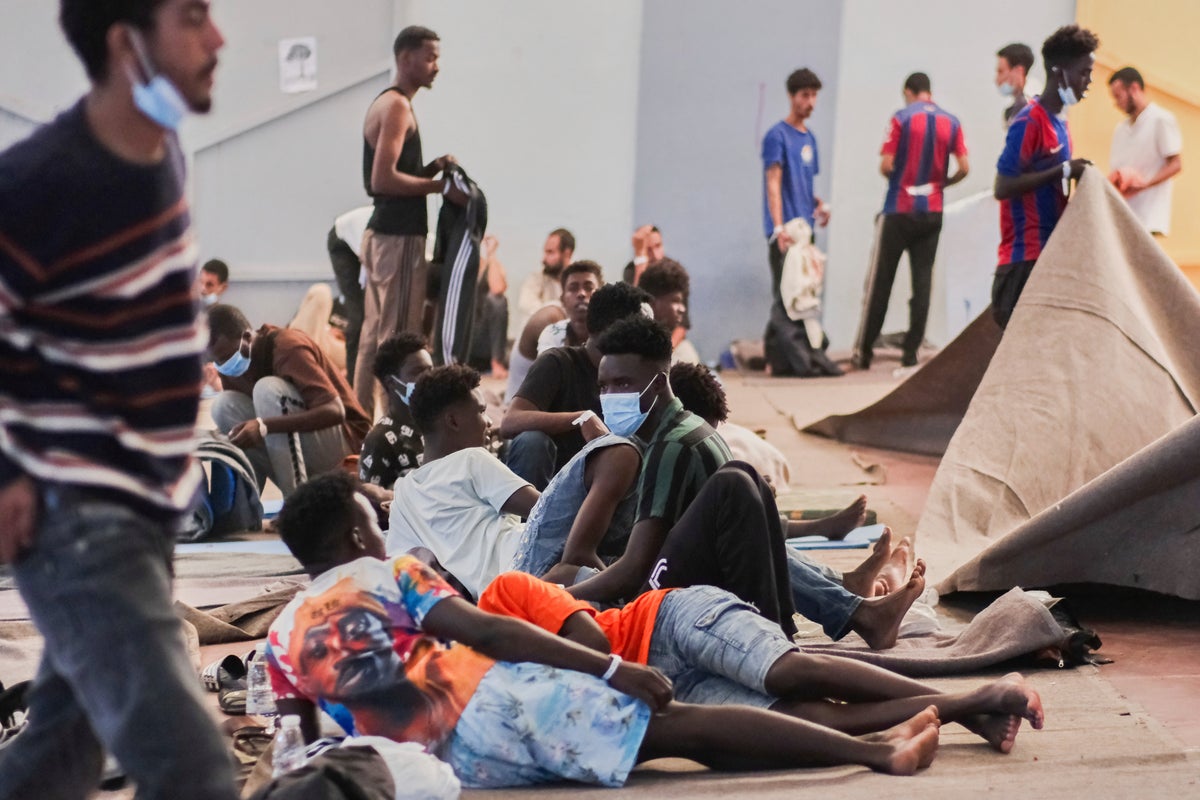 Greek authorities find 12 bodies in a boat carrying migrants south of Crete; 18 people are rescued
independent.co.uk
Greek authorities recovered twelve bodies from a migrant boat found sailing about 15 nautical miles south of Crete on Monday morning. A passing Moroccan-flagged cargo ship rescued 18 people from the same vessel. The coast guard said it had no information on the identities of the dead or the circumstances of their deaths.
The boat was one of three found off Crete's southern coast within hours. A Frontex aircraft spotted a second carrying about 47 people; a Frontex drone found a third with about 40 on board. Both were rescued by the EU border agency and taken to a port on the island. Nobody on any of the three boats was turned back — they were counted, rescued and processed.
Frontex reported in October that the eastern Mediterranean is now the busiest route into the 27-nation bloc, with the corridor from Libya to Crete — the longest sea leg — ahead of the Aegean islands and the land border with Turkey. Thousands of people have been making that crossing in recent months, in vessels of the kind that produced Monday's twelve bodies.
The deaths arrive on a schedule of their own. Last month, twelve people, including an infant, died when two boats travelling from Turkey to Lesbos and Samos capsized. The month before that, other boats, other counts. Frontex's own figures show irregular border crossings down 15 percent, at around 31,800 in the first three quarters of the year — a fall the agency attributes to its enforcement activity. The corridor adjusts; the count falls; the bodies keep surfacing at roughly the same intervals.
Greece remains one of the main entry points into the EU for people leaving the Middle East, Africa and Asia. No legal route exists for any of them to arrive by sea; the crossing is sold by smugglers and met by a permanent European rescue-and-registration apparatus that spots some boats by aircraft, others by drone, and buries the ones it spots too late.
The coast guard could not say who the twelve people were.