
Kremlin statistics leak exposes at least 390000 Russian war dead
Moscow's own registers contradict official casualty silence as Abu Dhabi talks approach, Europeans wait to learn who will represent them
Images
 independent.co.uk
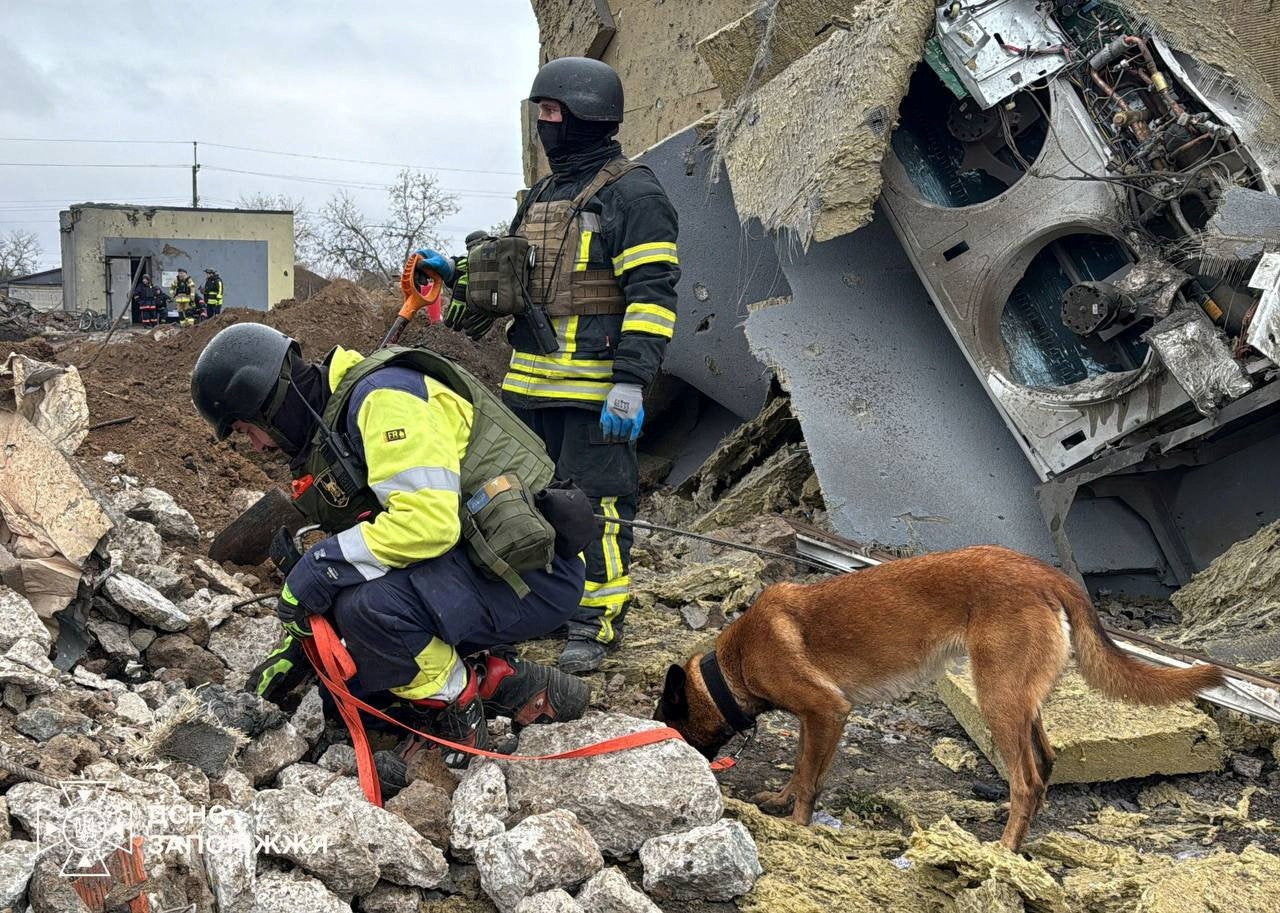 Rescuers with a search dog look for the bodies of residents at the site of an underground shelter in Zaporizhzhia region (Reuters)
Reuters
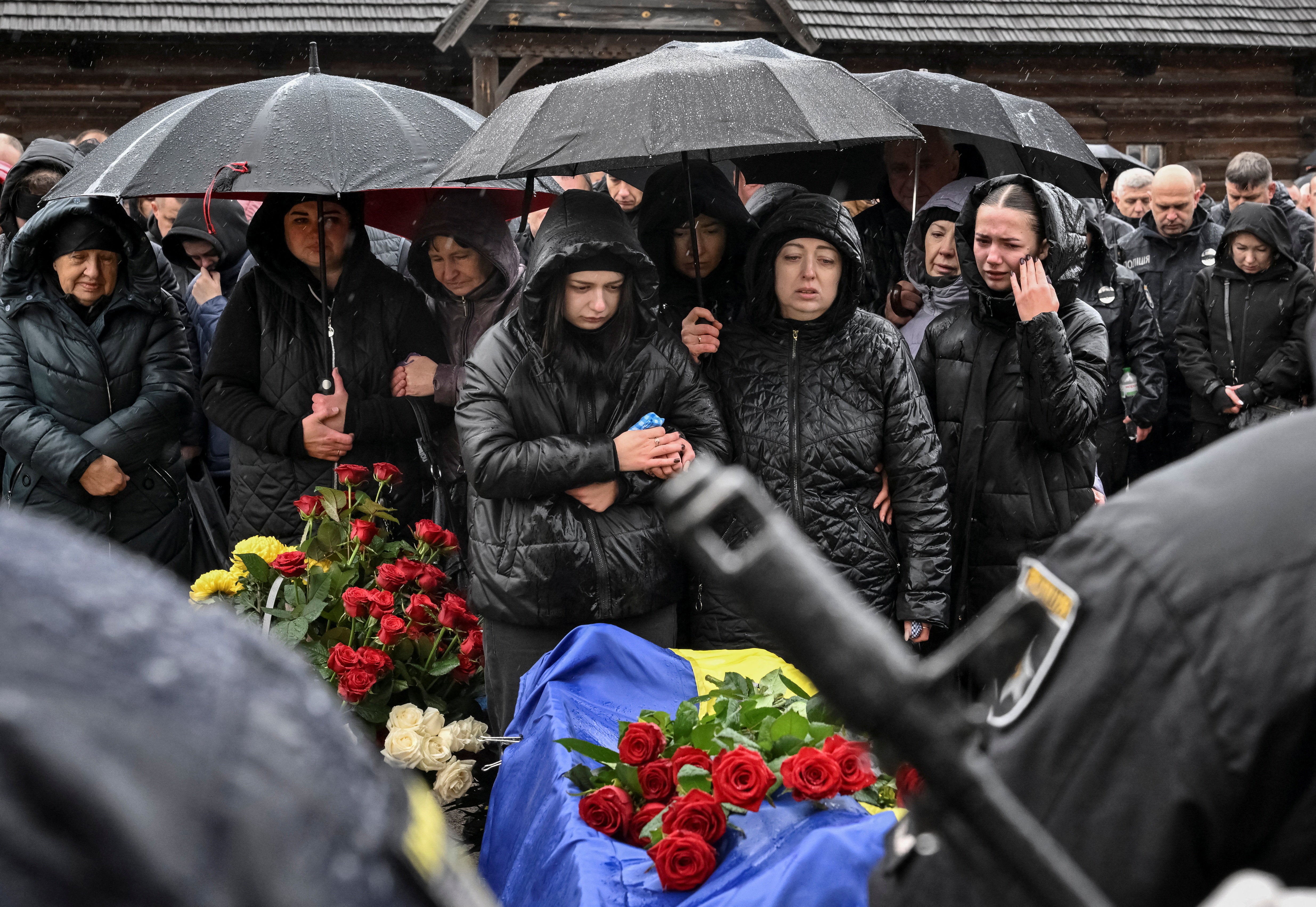 People attend the funeral of police officers killed in a Russian airstrike on an underground shelter in Zaporizhzhia region (Reuters)
Reuters
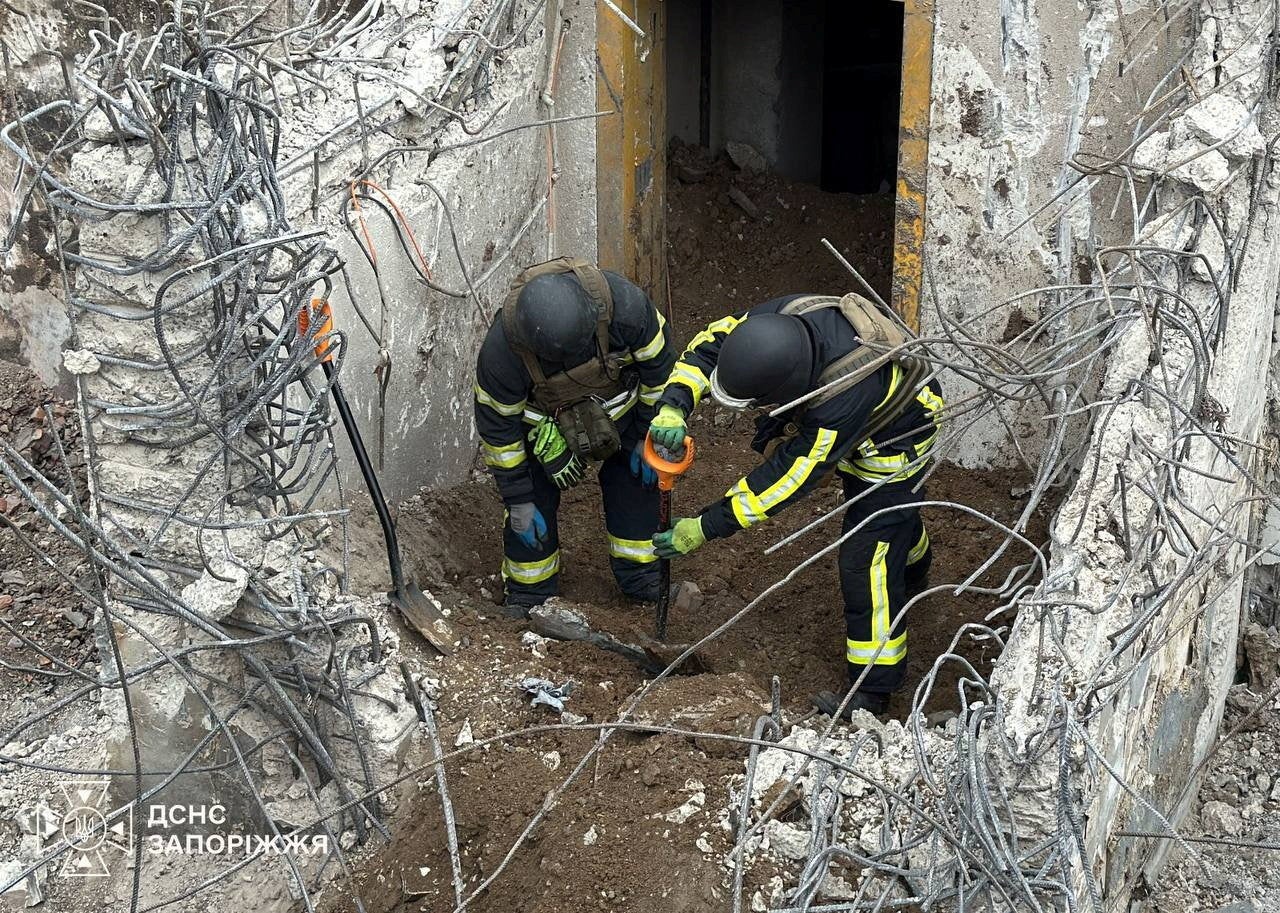 Rescuers search for bodies after Russian airstrike in an underground shelter in Komyshuvakha (Reuters)
Reuters
A data breach at the Kremlin's statistics agency has reportedly exposed records suggesting at least 390,000 Russians have been killed in the war against Ukraine, according to The Independent. The figure comes from the Russian state's own internal registration data — the same bureaucracy Moscow has kept systematically sealed from public view since the full-scale invasion began.
The leak matters precisely because of what it contradicts. Russian official casualty accounting has been frozen or falsified since 2022, with the defence ministry publishing numbers that independent researchers have repeatedly shown to be a fraction of verifiable graves. That the tally survives at all inside Rosstat's registers illustrates the recurring failure mode of state secrecy: casualty figures too politically explosive to publish are nonetheless too administratively necessary to omit from the machinery that pays pensions, processes deaths and manages the population register.
The leak surfaced as the war's human cost continued to register on the other side of the front line. A Russian drone struck emergency workers in southern Ukraine on Sunday, hitting a former school and a nearby shelter that had already been blasted by guided bombs while residents waited for humanitarian aid. An overnight attack on energy facilities in the Dnipropetrovsk region left more than 600,000 people without electricity, according to the power company DTEK — attacks President Volodymyr Zelensky described as deliberate leverage ahead of US-mediated talks in Abu Dhabi on November 10–11, where Washington plans to bring Ukrainian and Russian delegations together.
The blackout extended to nuclear infrastructure. The Russian-controlled Zaporizhzhia plant lost its external power supply after a line disconnected, the International Atomic Energy Agency reported, leaving the plant dependent on emergency diesel generators with roughly two weeks of fuel — the condition Ukrainian operator Energoatom warns risks a radiation accident if the generators fail before the line is restored.
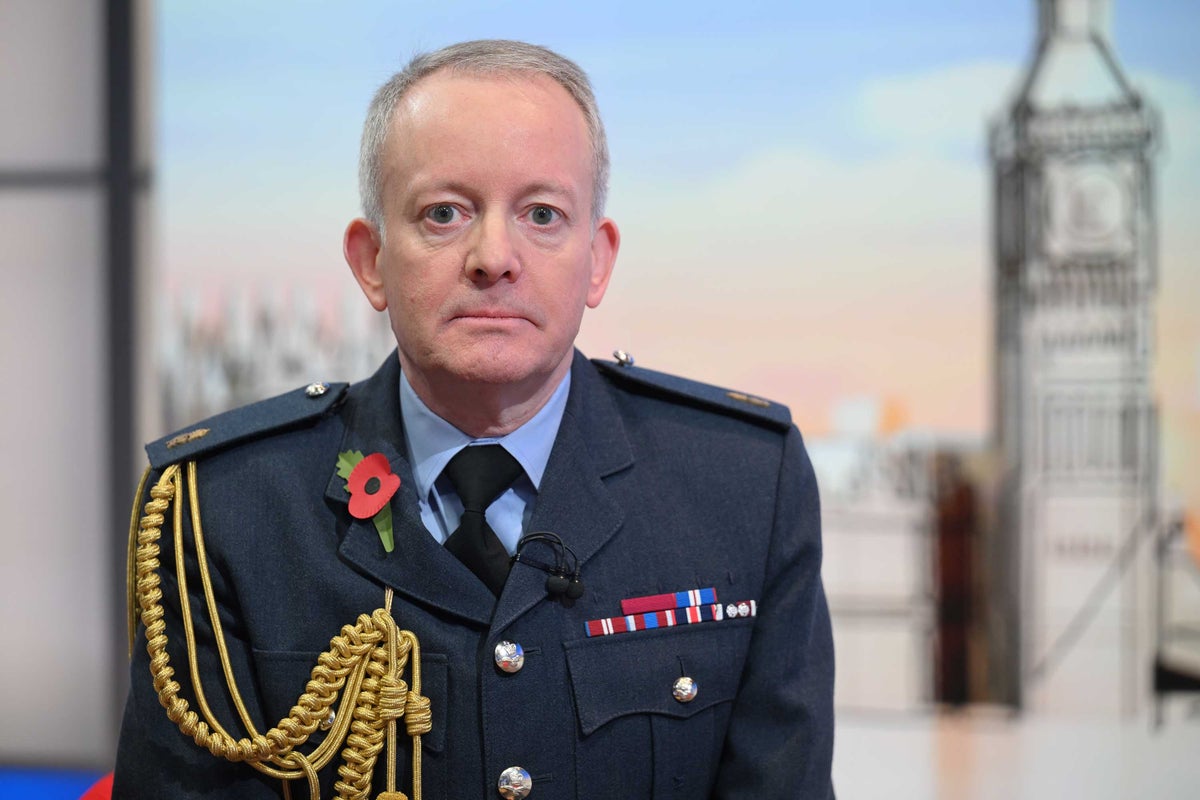
Washington, for its part, continues to set the diplomatic schedule Europeans must fit around. Trump said a "beautiful" deal covering "all of Europe" was in the works; French Foreign Minister Jean-Noël Barrot confirmed France would attend the Abu Dhabi talks but could not yet say who would represent it. Air Chief Marshal Sir Richard Knighton, head of the UK military, told the Financial Times that Britain is falling behind its European allies in grasping the Russian threat, calling this "the most dangerous period I've known in my adult life."
The Kremlin's own statisticians, it seems, stopped believing the official numbers some time ago — they just kept recording the real ones.