
Two green kiwis a day beat prunes for constipation relief
Review of 33 studies finds fruit adds up to two extra bowel movements weekly with fewer side effects, unpatentable remedy reaches public via press releases rather than drug trials
Images
 Nutrition scientist shares mistakes people make when trying to eat a healthy diet
foxnews.com
 Young woman eating mixed tropical fruits out of container in a park.
foxnews.com
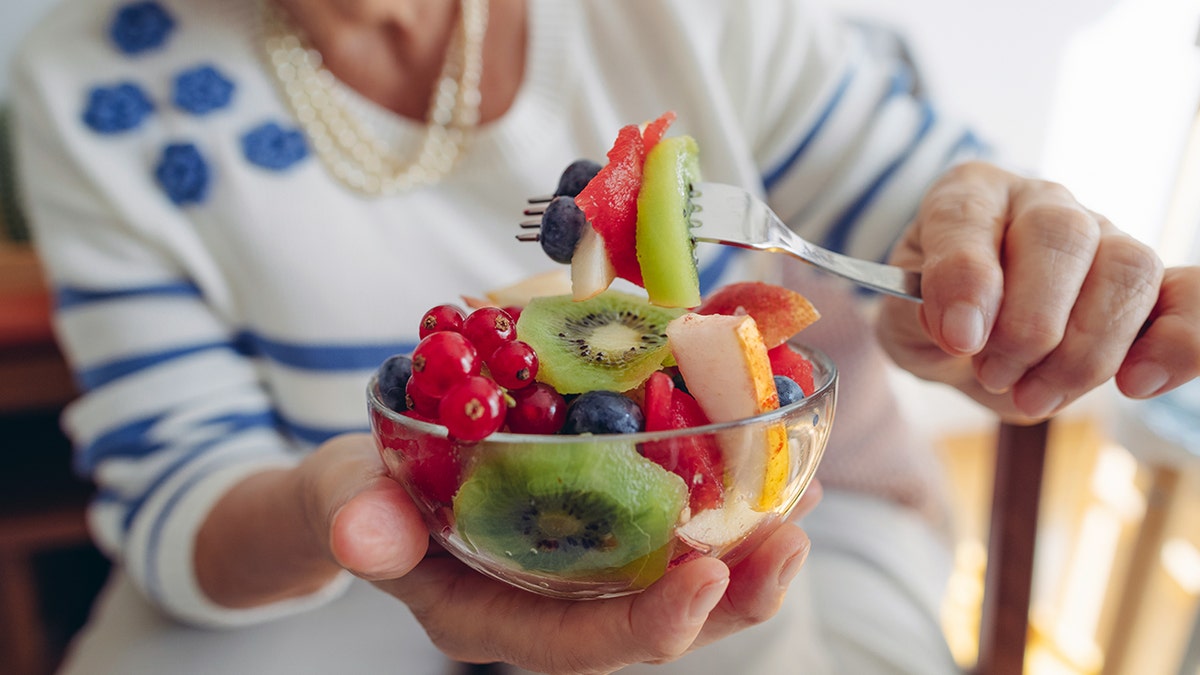 Older woman eating fruit salad with kiwis
foxnews.com
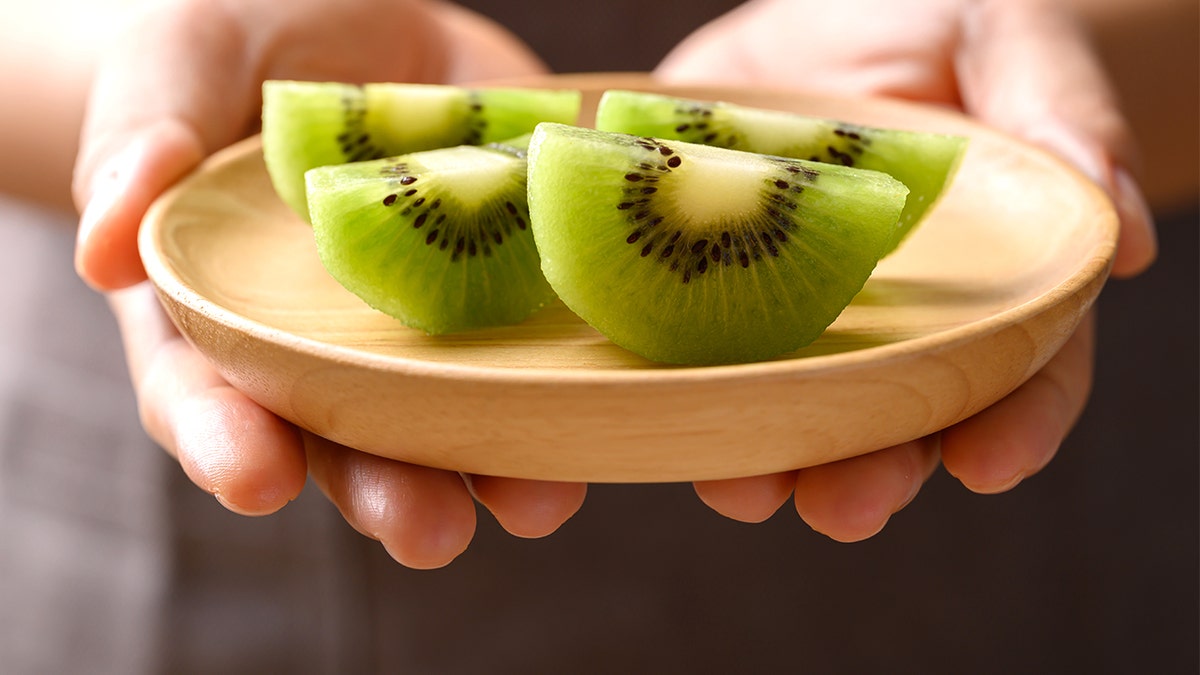 Person holding plate of kiwis
foxnews.com
Two green kiwifruit a day produced roughly 1.5 additional complete bowel movements per week in constipation patients, and about 1.7 in patients with constipation-predominant irritable bowel syndrome, according to a review of 33 previous studies on kiwifruit and digestive health. The international trial data comes as researchers and dietitians press a cheap, unpatentable fruit into a therapeutic role that pharmaceutical developers have little commercial reason to pursue.
The review, reported by Fox News, found that eating two fresh green kiwis daily for around four weeks was linked to more regular bowel movements, less straining and better digestive comfort in people with constipation or IBS-C. The proposed mechanism is unglamorous: the fruit's fibre adds bulk and holds water in stool, while its natural water and sorbitol content softens what passes. The researchers noted the benefit likely comes from several components of the whole fruit working together rather than a single active compound — a finding that conveniently forecloses any extraction-based patent claim.
In one American trial included in the review, green kiwi, psyllium fibre and prunes all improved chronic constipation, but kiwi was associated with fewer side effects and better tolerability. Prunes, long the folk remedy, lose patients to bloating and sorbitol-related complaints at the doses needed to work. Kiwi was not, however, more effective than existing treatments across the board — it simply caused fewer problems along the way.
The evidence has sharp edges. The review covered studies that differed in populations, kiwi doses and measured outcomes, most ran for short periods, and the authors themselves flagged that long-term benefit remains undetermined. Data is strongest for fresh green kiwi; gold kiwi, powders and extracts have thinner support and should not be assumed equivalent. Christopher Gardner, a nutrition scientist at Stanford, emphasised that increasing fibre through fruits, vegetables and minimally processed foods matters more than any single superfood — and cautioned against treating one item as a dietary shortcut.
The uncomfortable structural note sits behind the nutrition advice: no one can charge royalties on actinidin or whole-fruit fibre, so dietary interventions arrive via press releases and review articles rather than the trial infrastructure that supports patentable drugs. The effect sizes here — under two extra bowel movements a week — would not survive a drug-development funnel, which is precisely why the fruit never enters one. What it offers instead is a remedy that costs a few kronor, requires no prescription, and produced fewer bloated dropouts than the prune standard it may quietly replace.
The strongest evidence in the review is for the fruit eaten fresh, green, and two at a time — not the extract in a capsule.