
Chatbot complaints swamp UK public bodies
Machine-written grievances take minutes to send and hours to answer, councils with one fixed budget now judge letters by their bullet points
Images
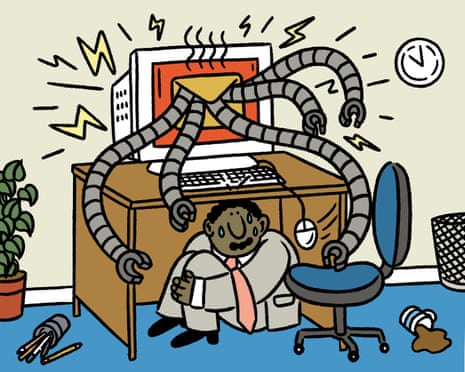 AI-generated correspondence takes moments for users to create, but huge amounts of time for human employees to sift through and respond to. Illustration: Sophie Winder/The Guardian
theguardian.com
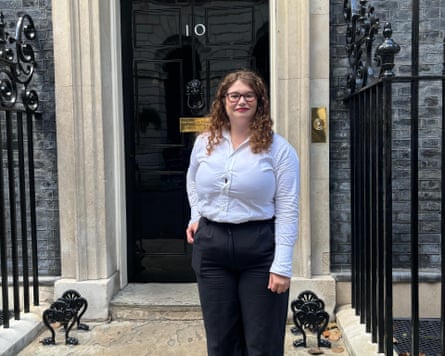 ‘Half the emails we receive are some form of AI,’ says Hollie Wickens, a senior caseworker in an MP’s office. Photograph: Handout
theguardian.com
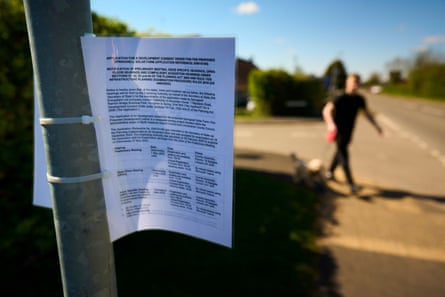 Before AI, objecting to a local planning application would have taken some time and effort. Photograph: Christopher Thomond/The Guardian
theguardian.com
 Complaints to local authorities are surging, including over issues such as planning applications, parking tickets and bin collections. Photograph: Fotomaton/Alamy
theguardian.com
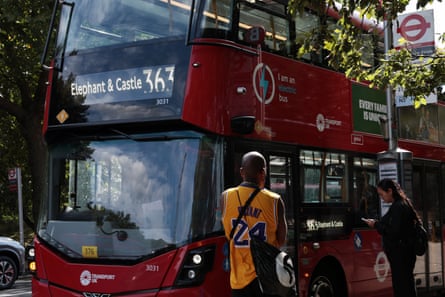 Transport for London (TfL) received a record 4,769 freedom of information requests in 2025-26, with a ‘noted increase’ in appeals believed to be AI-generated. Photograph: Martin Godwin/The Guardian
theguardian.com
Half the email arriving in Holling Wickens' office is now machine-generated. Wickens, a senior caseworker in a Labour MP's office with a decade in the role, told the Guardian that AI-written grievances began as a trickle in 2024 and have become an onslaught — and that the machine-written kind is more complex and more time-consuming to deal with than the human kind ever was.
For most of this decade, complaining to a public body cost the complainant something: time to research the issue, a form to fill in, the labour of formal-sounding prose, often specialist knowledge of what could be asked for. ChatGPT, which turns four this month, and its rivals Claude, Copilot and Gemini have removed that cost. The result is what commenters call "AI clog" and what researchers at the Hertie School's centre for digital governance, the Cooperative AI Foundation and GovAI call "agentic flooding": MPs' offices, local authorities, courts, schools and lawyers across the UK swamped by machine-written complaints, requests and legal challenges at a time of already stretched resources.
Deborah Evans, chief executive of Lawyers in Local Government, which represents 5,600 local-authority lawyers, says every sector is seeing the same pattern. "AI can make a complaint sound incredibly professional and very formal." Volumes are rising on adult social care, missed bin collections and planning objections — and the budget does not move with them. "Local authorities have one pot of money and do not get extra money because of more complaints."
A letter that takes moments to generate takes hours to read, verify and answer. Local authorities now treat unusual length, bullet points and certain stock phrases as evidence of machine authorship. The same technology has been credited with part of this year's better-than-expected UK GDP growth.
Wickens describes the new workload as "definitely more taxing". For now, the test councils use to spot a machine-written complaint is the bullet points.