
Binance robbed of over six billion dollars in record crypto heist
Hackers also sent Kyiv a fake nuclear strike alert, NCSC warns of hacking epidemic while fridge attacks ran on factory-default passwords
Images
 Composite: Guardian Design/Getty Images
theguardian.com
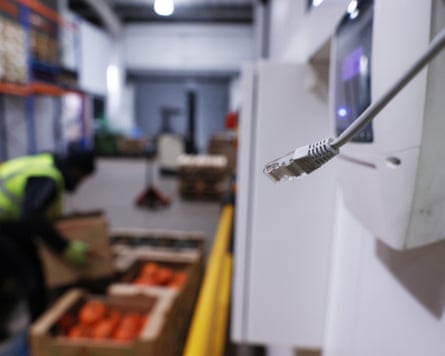 Alex Pearce unplugged the internet at his wholesale fruit and vegetable business after seeing the temperature of the refrigeration units shoot up. Photograph: Martin Godwin/The Guardian
theguardian.com
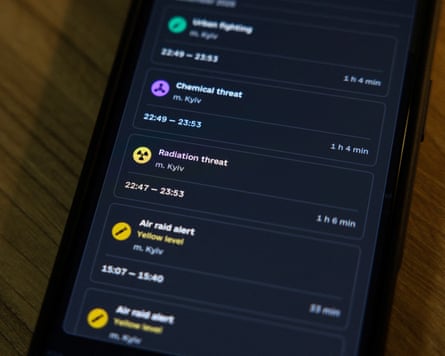 Hackers targeted Ukraine’s emergency alert app this month to send warnings to people in Kyiv. Photograph: Roman Pilipey/AFP/Getty Images
theguardian.com
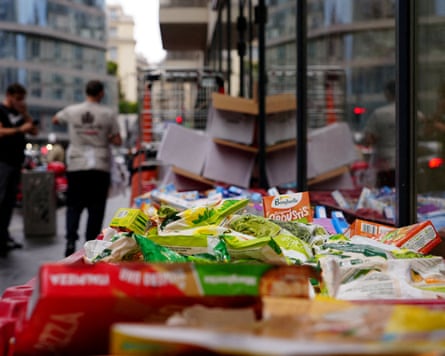 Boxes of perished goods outside an Intermarché in Paris last month after a cyber-attack that could have been a trial run for this week’s foray. Photograph: Lucien Libert/Reuters
theguardian.com
 Why are fridges being hacked and what could be next? - The Latest
theguardian.com
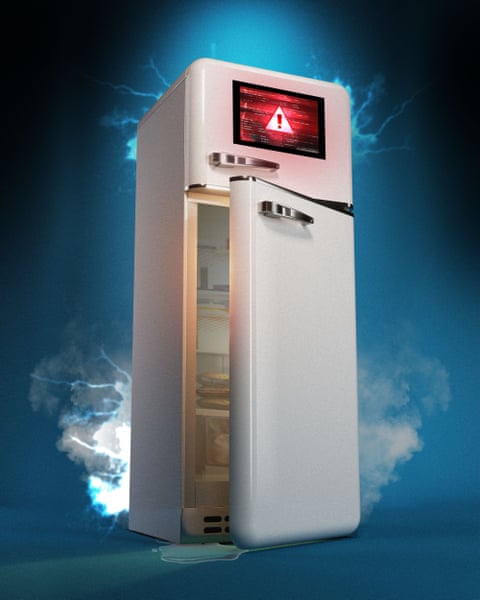
On 30 October, Binance, the world's largest cryptocurrency exchange, was robbed of $6.3 billion — the largest heist in the industry's history, an attack attributed to the North Korean state. Two days later, hackers pushed a fake nuclear strike alert through Ukraine's emergency alert app to people in Kyiv. Last week, refrigerators in shops across Belgium, Estonia, Ireland, Finland, Luxembourg, the Netherlands and Sweden soared to 50C while French blood banks reported the same intrusion.
Richard Horne, head of the UK's National Cyber Security Centre, said this week that we are in the "foothills" of a new hacking landscape. The most serious short-term risk, he said, is "a huge rise in the volume of incidents", pointing to the last few months as evidence. Two forces underpin the warning: geopolitics and AI. The NCSC assesses that AI-powered malicious software is "highly likely" to be used against UK power stations, airports and hospitals by 2028, and technology from OpenAI recently helped discover a flaw in PHP, the language underlying much of the web — prompting websites around the world to be taken offline as a precaution. Tech commentator Azeem Azhar called the moment a "Wuhan moment" for software vulnerabilities; Cloudflare executive Matthew Prince predicted "a couple of years where every single week it's going to feel like the sky is falling."
The fridge campaign, however, does not need that frame. A review by Swedish public broadcaster SVT this week dismantled the evidence posted by NoName057(16), the group that claimed the European freezer attacks: the "proof" consisted of recycled passwords from older data leaks, and the Danfoss refrigeration controllers that were actually breached were running factory-default credentials. French supermarket fridges were attacked a month earlier in what may have been a trial run. At least one expert says the attacks bear Russian hallmarks; the NCSC itself names no one. Attacks this cheap — default passwords on unglamorous, unpatched operational technology — require no nation-state and no AI. What they require is an owner who never changed the password, and an industry that ships remote administration for cold rooms without shipping them secured.
The epidemic framing nonetheless does work for those who hold it. Alex Pearce, who runs a fruit and vegetable wholesale business in London, watched defrost lights blink on across his refrigeration units and suspected a cyber-attack. He was right. His remedy was to unplug the internet cable connecting the units to the network.