
Qatari plan trades Hormuz reopening for nuclear inspections of Iran's bombed sites, US would lift naval blockade and release part of 8 billion dollars in frozen assets
Tehran fears inspection data would become targeting data
Images
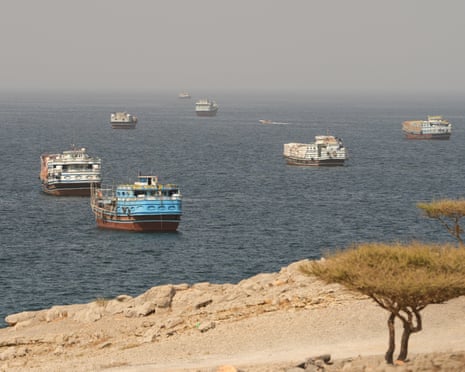 Vessels in the strait of Hormuz. Under the Qatari proposal, Iran would open the waterway on the second day of the deal being implemented. Photograph: Reuters
theguardian.com
 Midterms: how the blue wave took Congress, in three minutes – video
theguardian.com
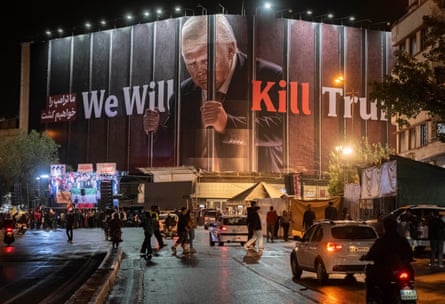 A billboard bearing the message ‘we will kill Trump’ in Tehran. Photograph: Morteza Nikoubazl/NurPhoto/Shutterstock
Shutterstock
Qatar has put a detailed formula before Washington and Tehran: the US would immediately lift its naval blockade on Iran and release a portion of 8 billion dollars in frozen assets, and Iran would admit UN nuclear inspectors to its bombed nuclear facilities — then open the Strait of Hormuz on the second day of implementation, through a route already negotiated with Oman and jointly lodged with the International Maritime Organisation.
The inspectors would visit sites housing Iran's stockpile of highly enriched uranium. Under the proposal, Iran would not be required to commit to removing the stockpile from the country; down-blending its uranium content is among the other options on the table. The arrangement builds on an agreement reached in Cairo in September 2025 and later abandoned, whose memorandum included a 300-billion-dollar reconstruction fund that was never clearly funded. Iran's further preconditions — an end to the war in Lebanon, a withdrawal of US forces from the Iranian coastline, a commitment to lift some sanctions, and war reparations — have made the sequencing of commitments the heart of the mediation. Oman's foreign minister, Badr Albusaidi, is handling the strait's administration, where Oman's long-term proposal, compliant with the law of the sea, would charge shipping companies only for services, not tolls.
The inspection clause runs into a trust problem. Iran says it has lost faith in Rafael Grossi, the head of the International Atomic Energy Agency, arguing he failed to criticise the US for bombing the nuclear sites he was meant to safeguard, and fears material gathered by inspectors would be handed to the Americans and Israelis as targeting data. On the American side, vice-president JD Vance said the war itself — not only its cost to consumers — was critical to the collapse of the Republican vote in the midterms, which the Guardian reports has weakened the credibility of Trump's threats inside Iran. The president is still weighing a further assault on the nuclear sites.
In Tehran, a billboard currently on display reads 'we will kill Trump.'