
Majority of British landlords plan to sell up after Labour tax hike
Four per cent rental surcharge from April pushes supply out of the market, tax aimed at landlords lands on the tenants left queuing
Images
 Julie Snowball, 63, says she is struggling to find a rental less than £100 a month more expensive in the same area (Julie Snowball / Shelter)
Julie Snowball / Shelter
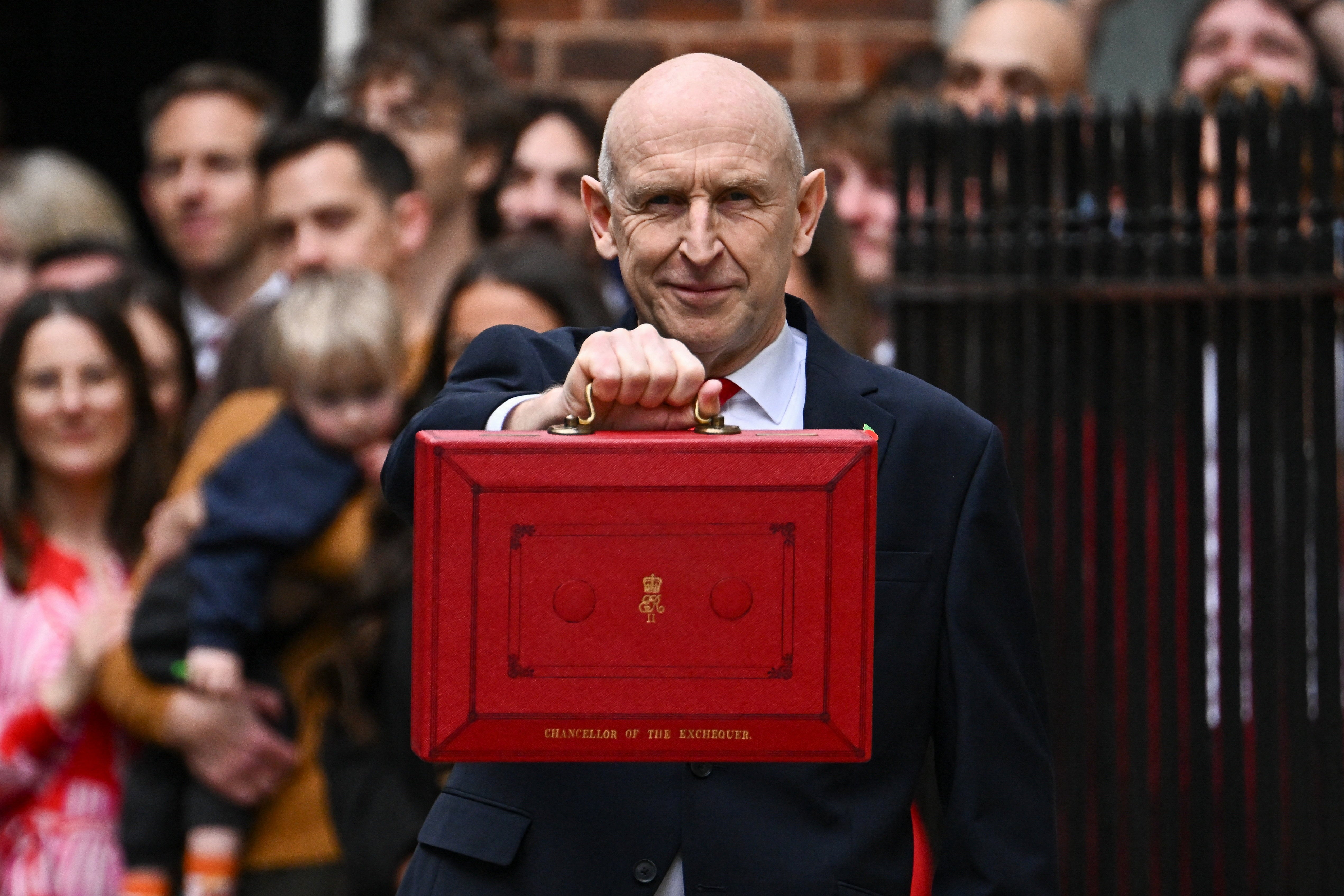 John Healey set out his Budget last week (Dylan Martinez/PA) (PA Wire)
PA Wire
More than half of British landlords are considering leaving the rental market after Labour's Autumn Budget, according to a poll of estate agents conducted days after the tax was announced. Chancellor John Healey doubled a surcharge scheduled by his predecessor Rachel Reeves; from April landlords pay four per cent extra on their rental income.
Propertymark, which represents nearly 20,000 estate agents across the UK, surveyed members responsible for an estimated 2,860 properties. Fifty-seven per cent said they had received inquiries from landlords about exiting the sector. The arithmetic that follows requires no party programme: every landlord who sells removes a rental property from supply, the demand stays where it was, and the remaining tenants compete for what is left. Estate agency Savills already forecasts average rents rising 15 per cent to 2031, and 16 per cent in London — over £2,500 a year on average rents, £5,000 in the capital, on top of today's record levels.
Lucian Cook, head of residential research at Savills, described the split the tax creates: tenants with committed long-term landlords sit relatively secure, while anyone looking for a new home faces substantially less choice and more competition. Shadow housing secretary Katie Lam accused Labour of leaving "tenants fighting over fewer homes and facing ever-higher rents."
Julie Snowball, 63, was recently served an eviction notice on her Runcorn home, where she has lived for four years and pays £725 a month. Flats and rooms in house shares nearby are advertised upwards of £850. She works 72-hour weeks at an airport, has a heart operation ahead that will keep her off work for months, and has been on the council housing list for about 15 years — bidding twice a week, often 55th or later in the queue.