
India imposes retroactive visa requirement on six non-Muslim minority groups CAA promised to protect, Gujarat court meanwhile upholds indefinite detention of Bangladeshi woman and infant, state promises to migrants carry expiry dates
Gujarat court meanwhile upholds indefinite detention of Bangladeshi woman and infant, state promises to migrants carry expiry dates
Images
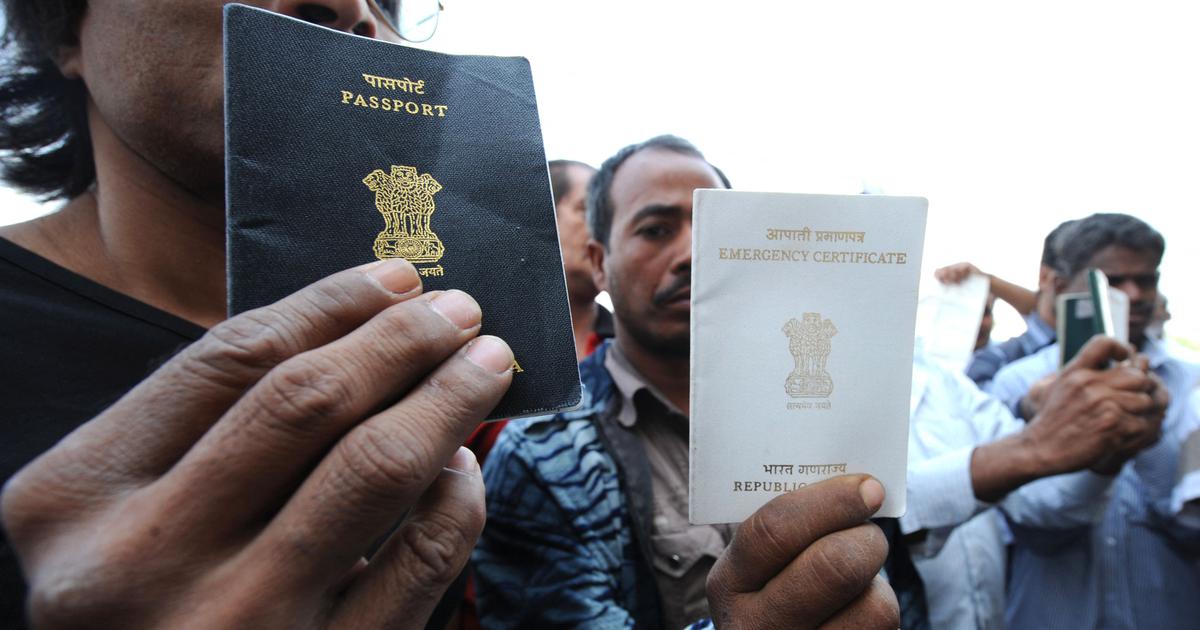 Representative image
|
Fayez Nureldine/AFP
scroll.in
 Gujarat High Court
|
Gujarat High Court/Official website
scroll.in
India has quietly reversed one of its most contested migration policies. The home ministry has amended the 2025 Immigration and Foreigners Exemption Order to require persons from six non-Muslim communities in Afghanistan, Bangladesh and Pakistan who entered India without valid travel documents by December 31, 2024 — the very people the 2019 Citizenship Amendment Act promised a fast track to citizenship — to obtain an "appropriate visa" to stay in the country, according to Scroll.in. The amended rules also apply to those whose travel documents have expired. The change was notified Wednesday and published Thursday.
The earlier rules exempted Hindus, Sikhs, Buddhists, Christians, Jains and Parsis from the three neighbouring countries from requiring valid passports or visas to enter and stay in India — an exemption built to match the CAA, which offers citizenship to non-Muslim refugees on condition they have lived in India for six years and entered by December 31, 2014. The amendment retains the entry exemption but retroactively imposes a visa requirement on those already inside, meaning the groups the state singled out for protection now face documentation demands or removal.
A parallel court ruling shows where this machinery ends up. The Gujarat High Court this week refused to order the release of a Bangladeshi woman and her infant daughter detained at a police training school in Bharuch, dismissing a habeas corpus petition filed by the woman's Indian husband. The bench held the detention was not illegal because it rested on an administrative order directing the woman to remain confined until deportation — and that she cannot be released while that order remains in operation. The court noted the husband had not challenged the administrative order before the correct forum. The Gujarat government told the court the woman, a Bangladeshi citizen, had been provided medical and essential facilities in line with standard operating procedure.
The amendment also tightened rules around other long-settled categories: Pakistani citizens who entered on valid passports before 2009 intending permanent residence, Partition-era returnees in Keralam, and persons of Indian origin holding Malaysian or Singaporean citizenship who cannot renew their passports all now need visas to remain. Tibetan refugees on Kathmandu-issued permits and registered Sri Lankan Tamils retain their exemptions, subject to registration.
The husband in Gujarat is married to a foreign national and has an infant daughter born in India. Both mother and child remain detained pending deportation.