
Polar vortex weakens weeks ahead of schedule
Earliest disruption on record raises risk of cold spells across Europe, any Arctic outbreak still depends on pressure systems that have yet to form
Images
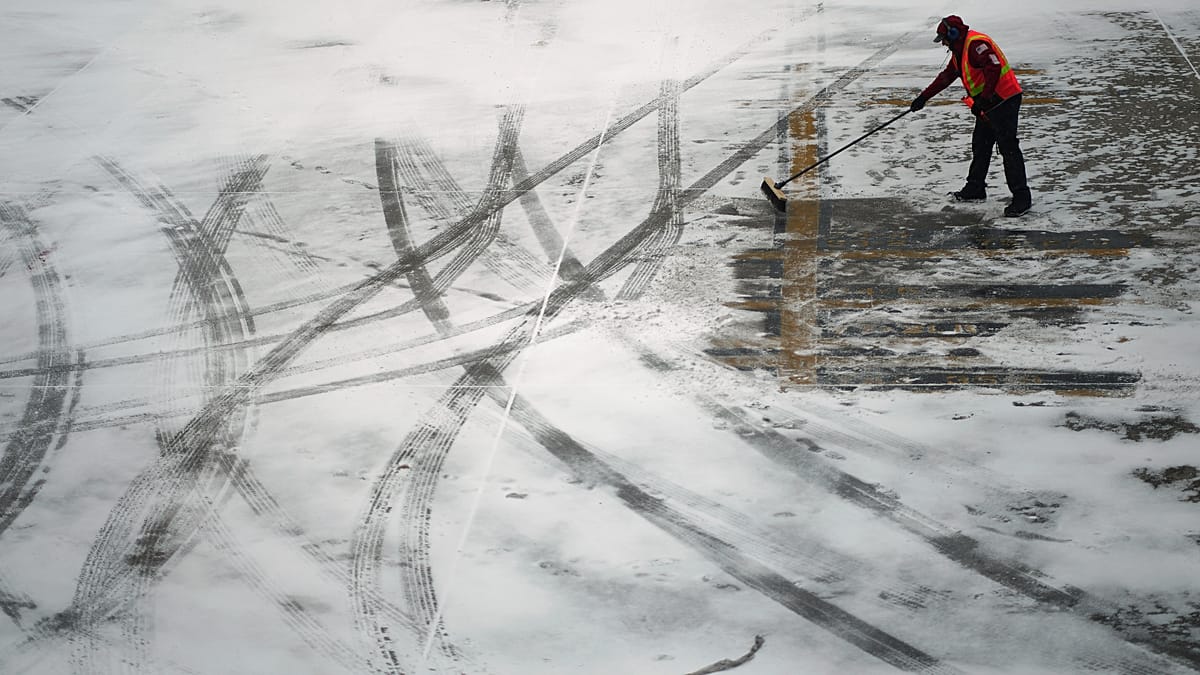 Early polar vortex disruption could bring colder spells to Europe
euronews.com
Meteorologists are tracking an unusually early disruption of the polar vortex, the band of frigid air circulating high above the Arctic, after scientists observed signs of a breakdown in November — months before such events normally occur. The University of Reading's Professor Andrew Charlton-Perez said in a published commentary that a sudden stratospheric warming this early in the season has never been observed in modern meteorological records.
The timing matters because of how the mechanism works. The polar vortex normally strengthens through autumn, peaks around January, and then weakens toward the end of winter. Major disruptions that allow Arctic air to spill south into Europe, North America and Asia typically happen between January and March. When the vortex weakens or displaces, the jet stream can distort, opening a path for cold air to reach the mid-latitudes — including Scandinavia, the British Isles, Germany and Poland.
Even with the disruption confirmed, the forecast is hedged. The effects of a stratospheric warming can take several weeks to reach the lower atmosphere, and the eventual surface weather depends on the position of high- and low-pressure systems when it arrives. Euronews reports that scientists are also examining whether a strong El Niño developing in the Pacific — which alters atmospheric circulation globally — is contributing to the disturbance.
Climate change has been raised as a possible influence on the underlying atmospheric processes, though no direct link to this specific early disruption has been established. For now, the coming weeks are expected to show whether the stratosphere's November upset translates into a cold winter at ground level, or whether it stays where most of the atmosphere's drama does — far above anyone's thermostat.
The vortex peaked late and collapsed early; whether European winter notices remains a question of pressure systems that have not yet formed.