
Serbia's student movement wins 140 of 250 seats and ends 14 years of Vučić rule
Cardiologist Ilija Srdanović becomes the number EU leaders dial, movement wants EU membership but not sanctions on Russia
Images
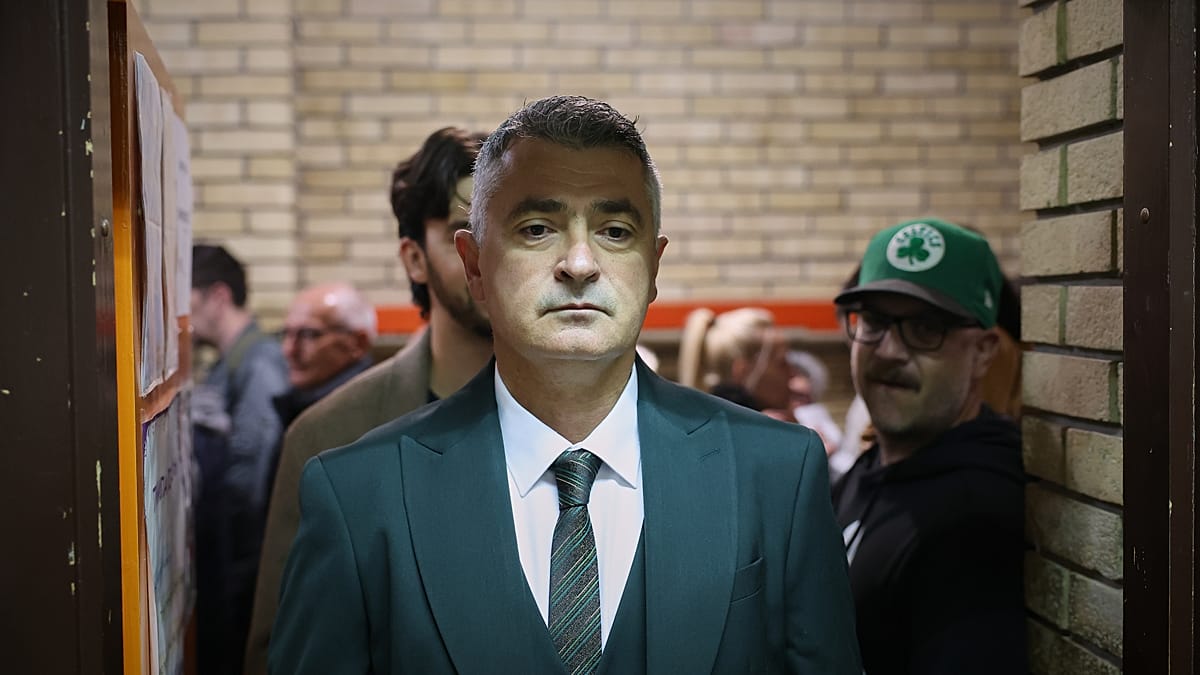 Who is Ilija Srdanović, the Serbian students’ face for EU leaders
euronews.com
A 56-year-old cardiologist who two years ago was a little-known professor at the University of Novi Sad is now the first person foreign leaders call when they want to reach Serbia's next government. Ilija Srdanović heads the Student List, which won 140 of 250 parliamentary seats in Serbia's 25 October election — enough to govern alone — and ended Aleksandar Vučić's Serbian Progressive Party's 14 years of complete dominance.
The movement grew out of mass protests that followed the Novi Sad railway station disaster, which killed 16 people on 1 November 2024. Srdanović, born in Novi Sad and a cardiologist at the Institute for Cardiovascular Diseases of Vojvodina since 1997, became an outspoken critic of Vučić over the police's violent repression of the protests and interference in academic autonomy. Two months before the election he was named to head the Student List's slate of 250 candidates.
The congratulations came quickly. Emmanuel Macron wrote on X that he had spoken with Srdanović and reiterated France's support for Serbia on its European path. European Council President António Costa, Croatia's Andrej Plenković, Hungary's Péter Magyar, North Macedonia's Hristijan Mickoski and Enlargement Commissioner Marta Kos all followed — and, according to Euronews, almost all of them used Srdanović's personal phone number. Srdanović has publicly committed the movement to EU membership, anti-corruption, judicial independence and media freedom.
What the congratulations did not mention is what the movement will not deliver. The election campaign was fought purely on domestic ground, and Edi Rama told Euronews the Student List was unwilling to discuss recognition of Kosovo — "the music in Belgrade will not change." Serbia does not align with the EU on sanctions against Russia, and Euronews reports this is unlikely to change: many Serbs still remember how Western sanctions against Slobodan Milošević's regime hurt the population rather than the regime.
The movement itself is a coalition held together by opposition to the SNS rather than any shared programme, ranging from the radical left of sociologist Jovo Bakić to openly conservative figures. Its first stated foreign policy priority is better relations with Serbia's neighbours — not the alignment with Brussels that its new admirers in Paris, Zagreb and Budapest spent fourteen years demanding from Vučić.
Whether Srdanović ends up leading the government remains unclear.