
Beavers return to Loch Ness after 500 years
Six animals released on Dundreggan rewilding estate, their dams do flood-defence work that public budgets would otherwise pay for
Images
 The beavers were relocated from another part of Scotland (PA)
independent.co.uk
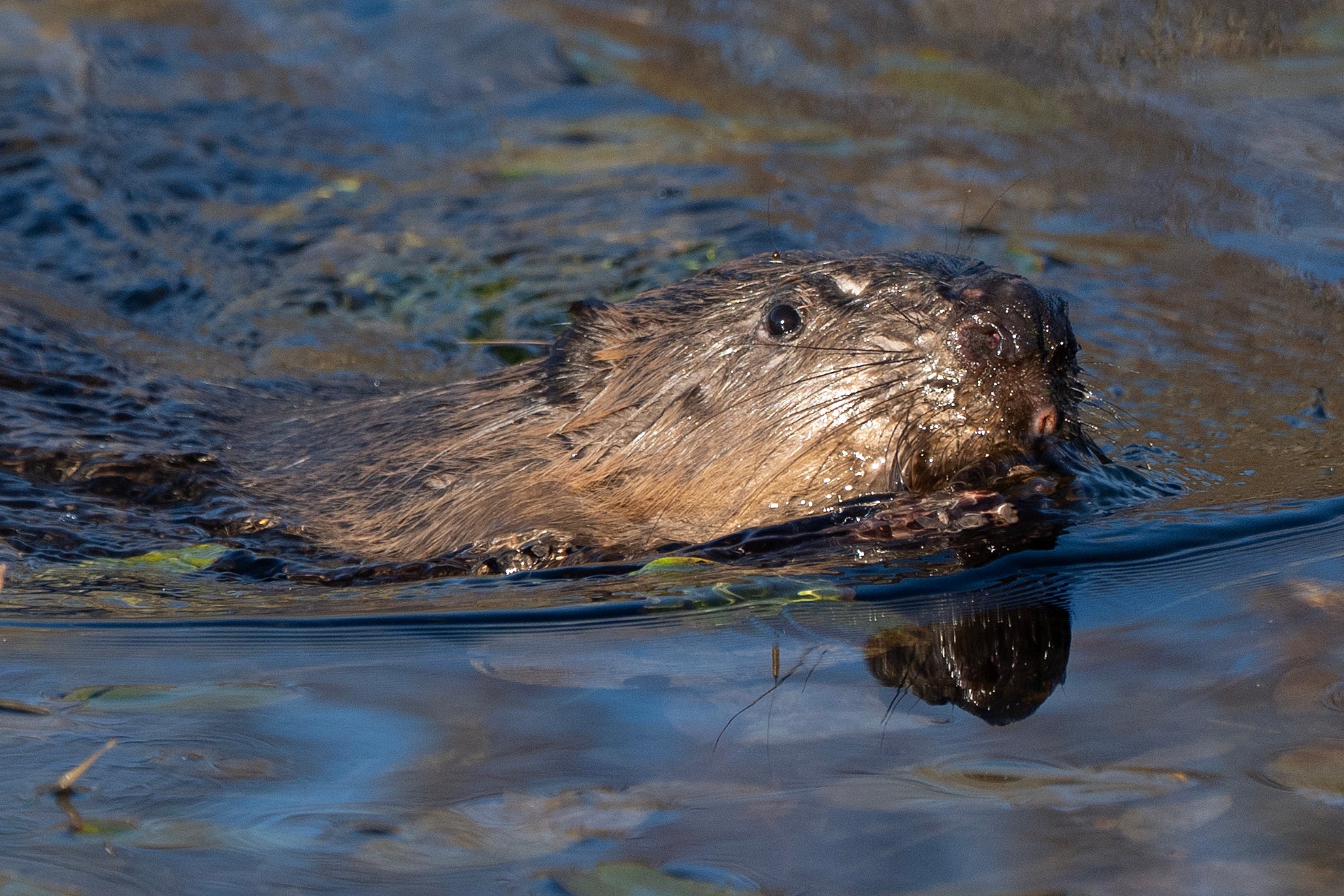 The beavers are back in the Scottish Highlands (PA)
independent.co.uk
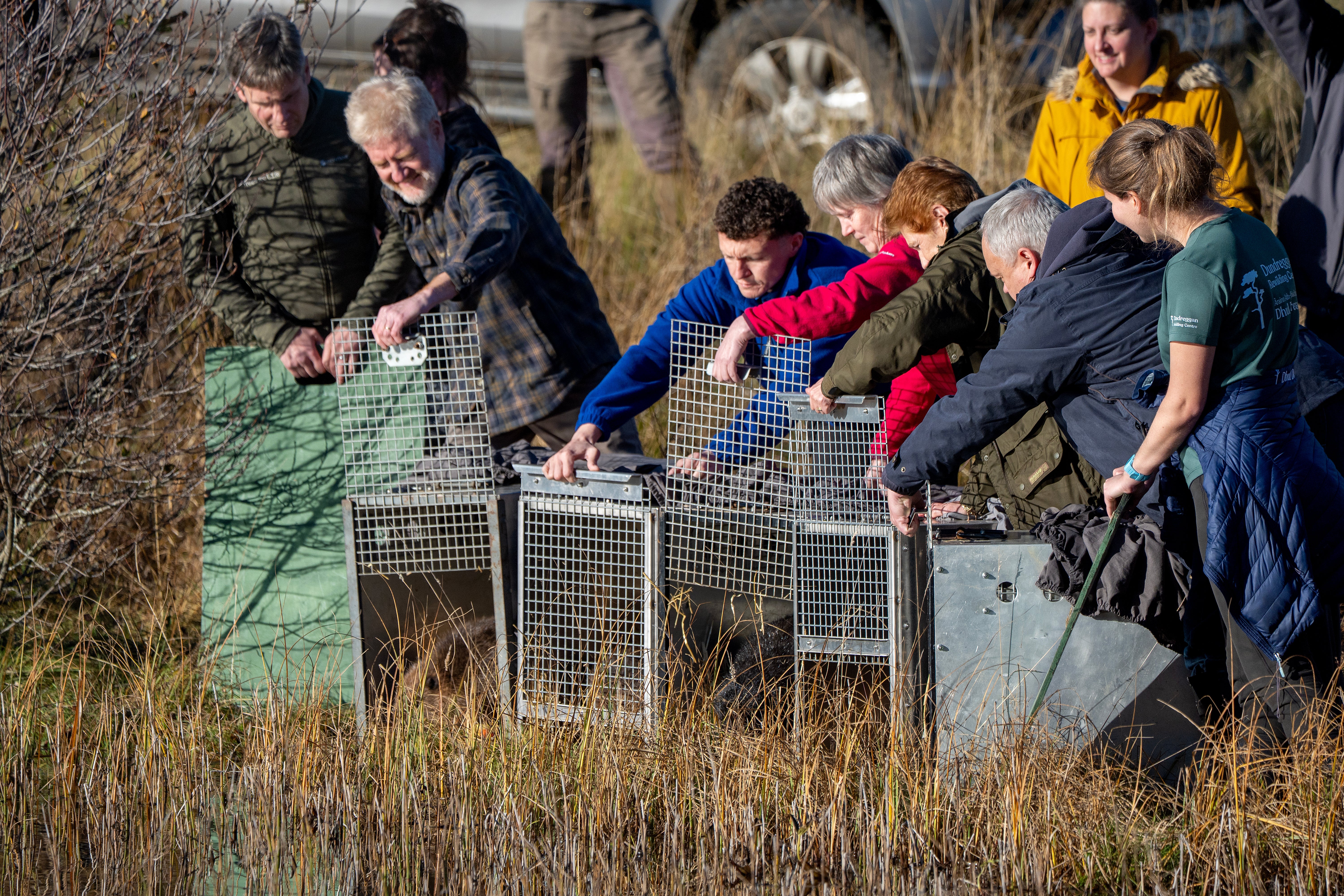 The return of beavers to Loch Ness has been hailed by charities (PA)
independent.co.uk
Six beavers were released at a lochan on the Dundreggan estate in Glenmoriston on Wednesday, putting the species back in the Loch Ness catchment for the first time in five centuries, the Independent reports. The family consists of a mother, two two-year-old juveniles and three kits born this year.
The release is the work of the Ness Beaver Project, a joint initiative by the charities Trees for Life and Beaver Trust. Trees for Life manages Dundreggan, a 10,000-acre rewilding estate in Glenmoriston; the project's restoration leads are Dr Roisin Campbell-Palmer of Beaver Trust and Alan McDonnell of Trees for Life.
The logistics ran through the charities as well. The six animals were captured in Tayside, assessed at a dedicated holding unit at Five Sisters Zoo near West Calder, and moved north under licence from NatureScot, the government nature agency. Scotland's first official reintroduction trial dates from 2009; beavers have since spread far enough that trapping and relocating them is now licensed routine. The state's contribution to the project is the licence.
The animal's appeal is its construction record. Beaver dams slow floodwater, trap sediment and turn drainage channels back into wetlands that filter what flows through them — functions that, where beavers are absent, are engineered and paid for out of public budgets. The maintenance is done by the same animal that did the building, the materials grow on site, and the workforce brings its own replacements: three of the six animals released on Wednesday were born this year.
The project plans at least fifteen families across the catchment within three years, and none of the flood storage they build will appear on a public budget.