
Ukrainian drones have knocked out fifteen Russian refineries
Kyiv counts 23.2 billion dollars in damage while Trump claims a big agreement is near, war's decisive front is now the distillation column
Images
 independent.co.uk
 independent.co.uk
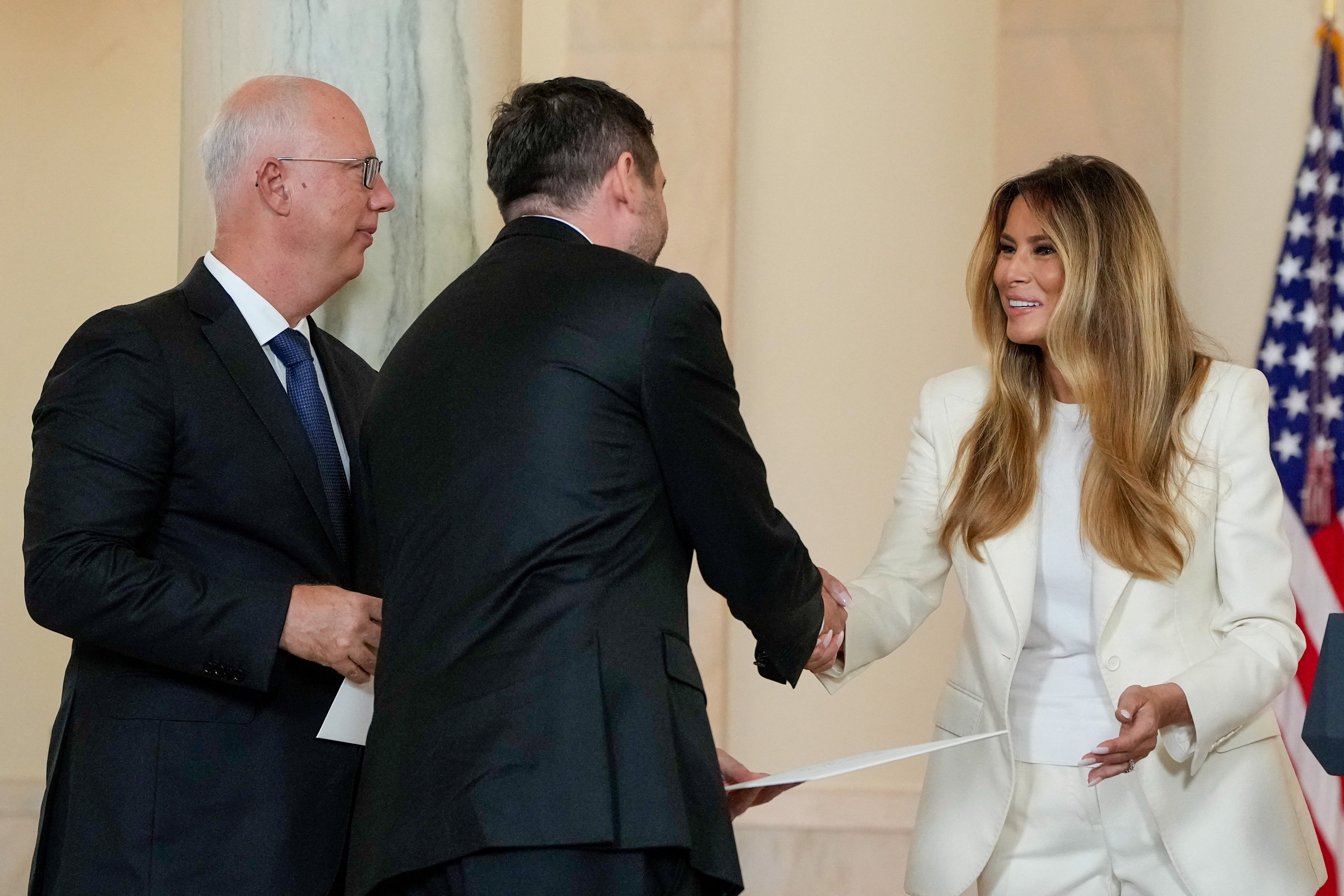 US first lady Melania Trump hands over letters to Ukrainian and Russian representatives, to be delivered to Ukrainian President Volodymyr Zelenskiy and Russian President Vladimir Putin, after a meeting with representatives from Russia and Ukraine, following the expiry of a six-day ceasefire to evacuate civilians from the Russian-occupied southern Ukrainian town of Oleshky, at the White House in Washington, DC, US November 5, 2026. (Reuters)
Reuters
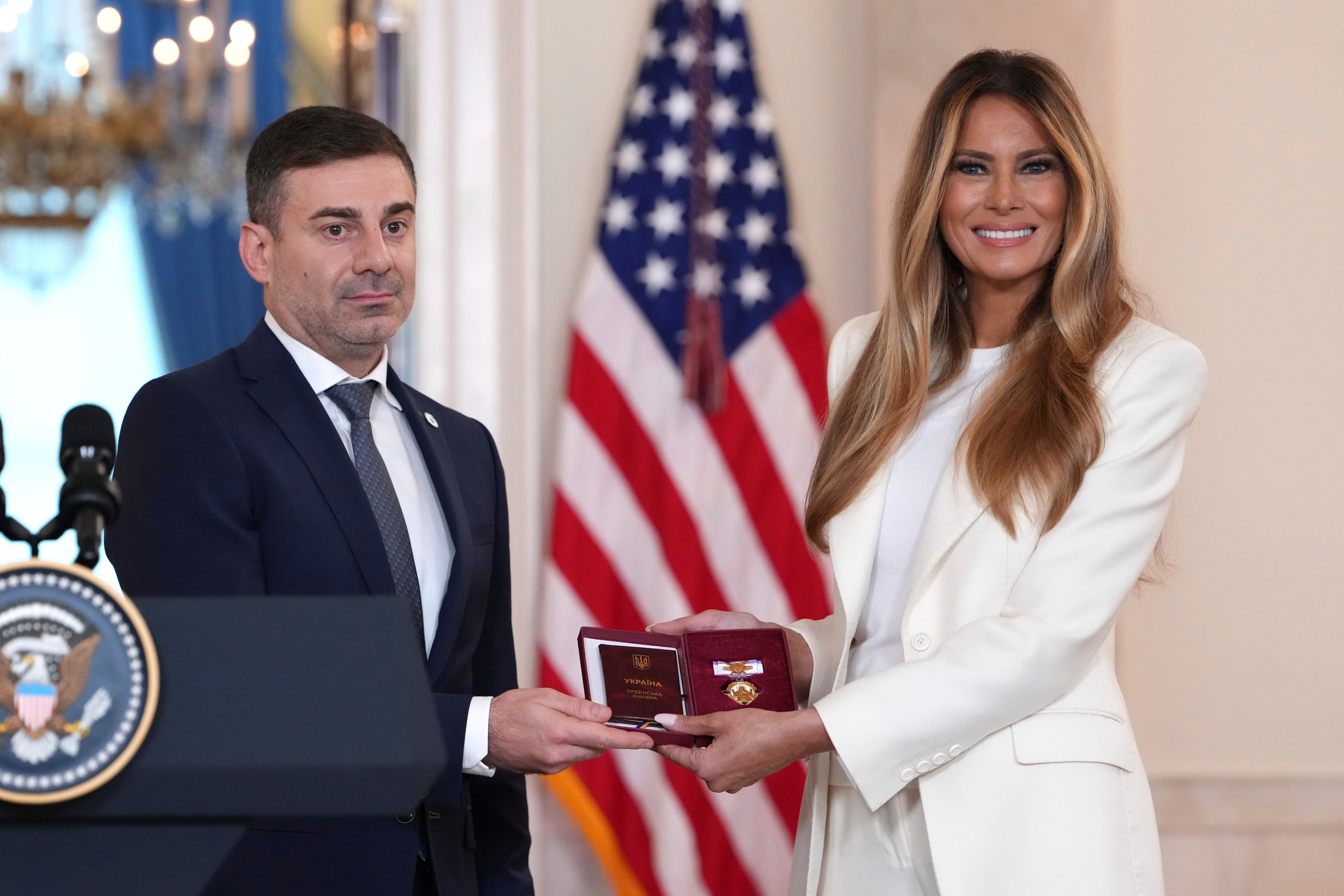 Ukraine's human rights ombudsman Dmytro Lubinets, left, presents first lady Melania Trump with a state award during a meeting with Russian and Ukrainian representatives in the Grand Foyer of the White House, Thursday, Nov. 5, 2026, in Washington. (AP Photo/Alex Brandon)
Alex Brandon)
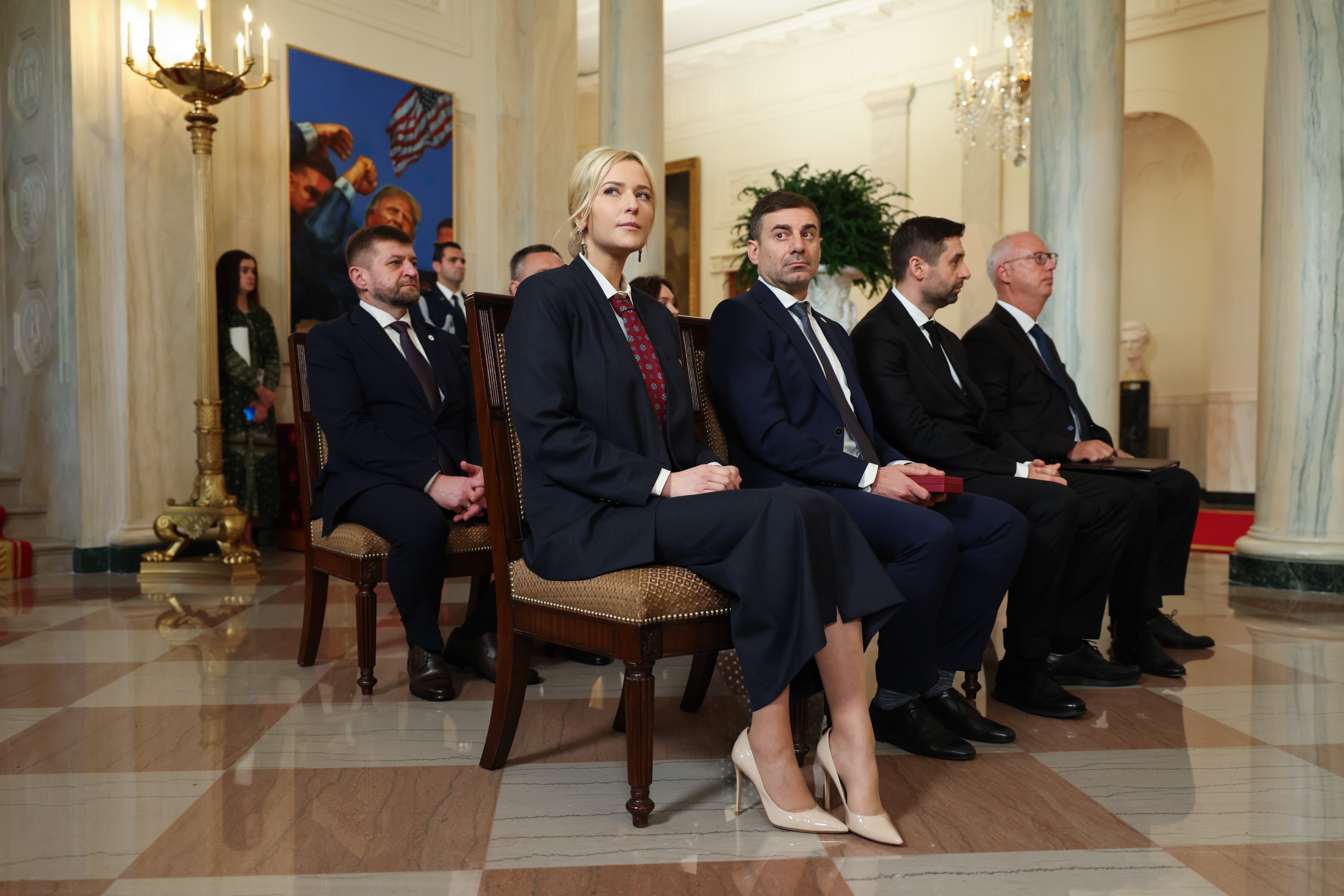 First Lady Melania Trump hosts representatives From Ukraine and Russia (Getty)
Getty
Ukraine's long-range drone campaign has knocked fifteen Russian refineries out of action, and officials in Kyiv put the accumulated damage at 23.2 billion dollars. The figure landed in the same week Donald Trump told reporters at the White House that a 'big, beautiful agreement' to end the war could be close.
The numbers describe a war that has migrated from the trench line to the balance sheet. Refinery capacity sets diesel output, diesel sets export revenue, and export revenue pays for the invasion; every distillation column put out of action is a line item struck from the budget that funds the front. Kyiv has been flying its most effective negotiators into that ledger for months, while Washington runs the diplomatic track alone — talks with the Russian and Ukrainian delegations are scheduled for next week in Abu Dhabi, and European governments have been left to underwrite Ukraine's winter aid without a seat at the table where the peace is drafted.
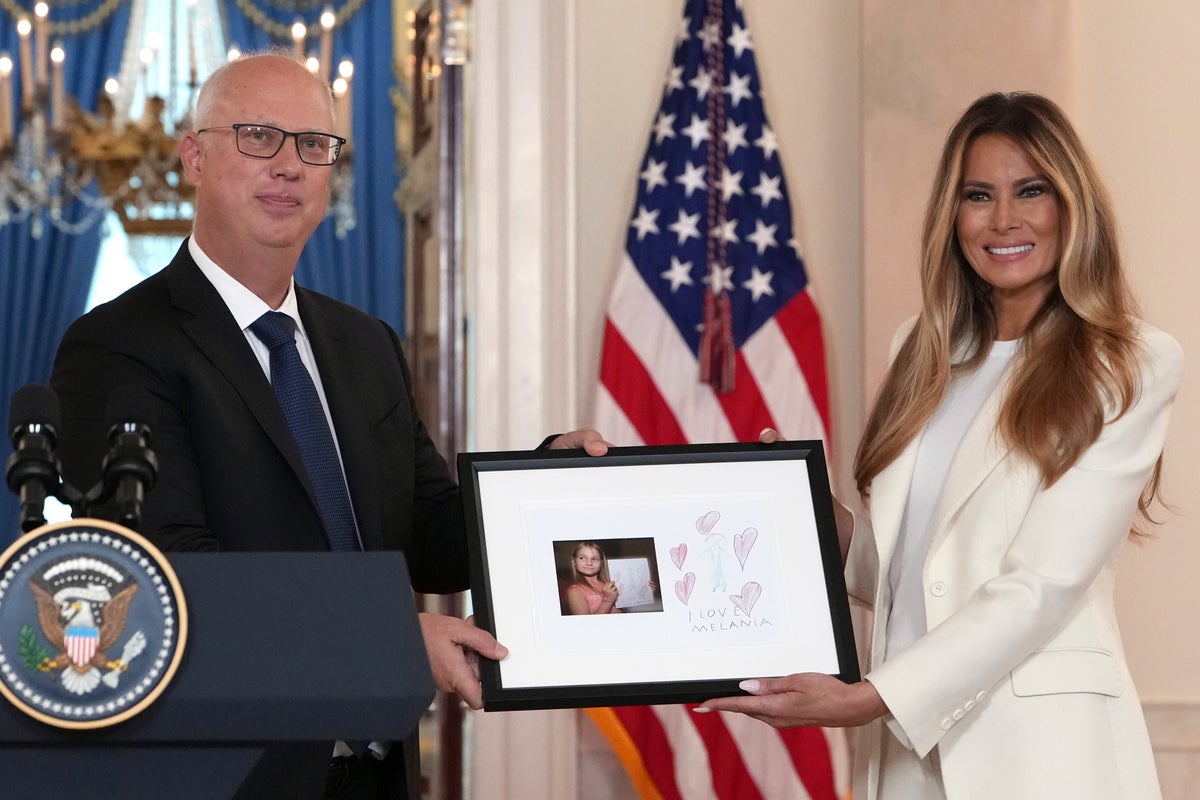
This week's diplomatic signals ran in opposite directions. US Secretary of State Marco Rubio said in September that Washington had invited Vladimir Putin to the G20 meeting in Miami in December. Andy Burnham now says Putin will not be invited to the G20 summit Britain hosts in Manchester next year — one Western capital laying out a carpet that another is pulling away. Trump met Putin's special envoy Kirill Dmitriev at the White House on Thursday, suggested that ending the war 'might involve all of Europe', and describes the agreement as near. Melania Trump is due to host Russian and Ukrainian representatives, the channel that produced the six-day local ceasefire around Oleshky — the only truce in this war both sides have kept.
Europe feels the refinery campaign directly. Each idled cracking unit tightens the fuel margins the continent pays at market price, so the governments excluded from the peace track are also absorbing the cost of the strikes.
Ukrainian officials count 23.2 billion dollars of damage to the refineries that fund the war. The White House counts an agreement that is near.