
Kenya weighs foreign bids for rare earths beneath Mrima Hill
Australian and Nasdaq-listed consortia chase a deposit with projected gross revenue of 62 billion dollars, Digo community vows to refuse digging on its ancestors' graves
Images
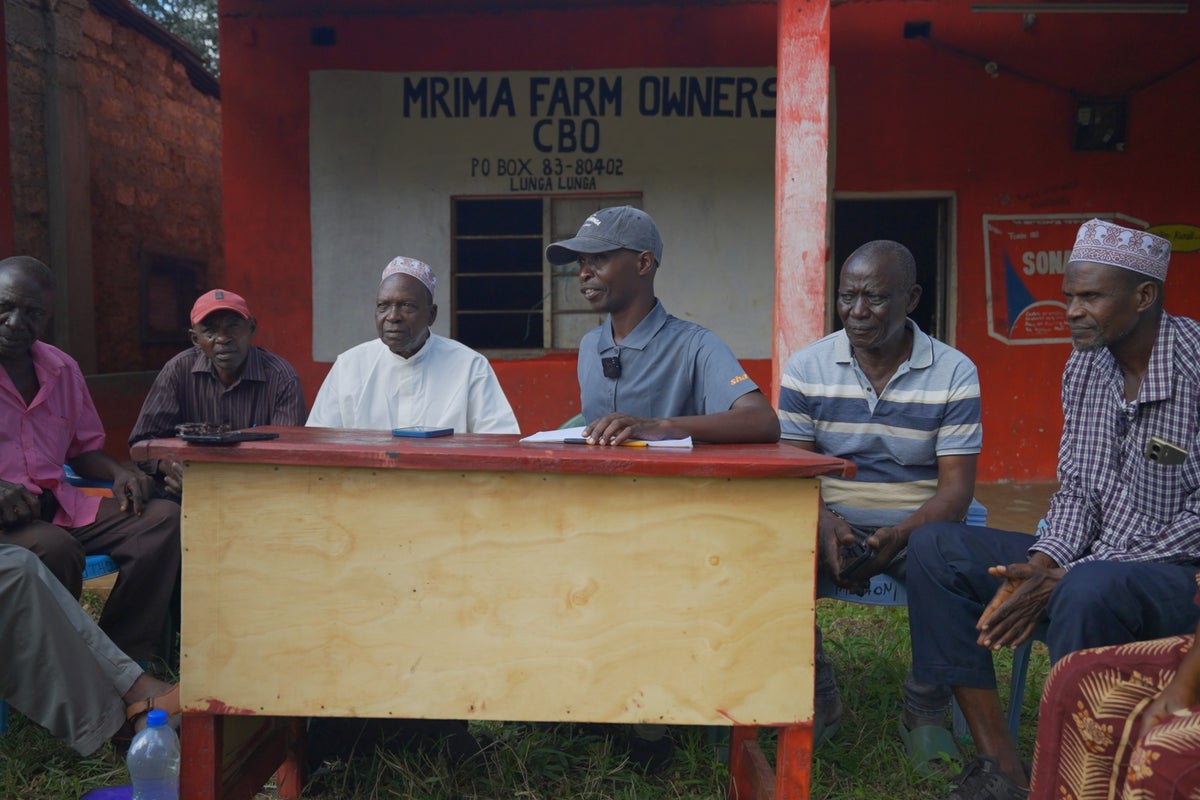 Kenya’s mining ambitions raise fears for farms and ancestral graves
independent.co.uk
Kenya's mining ministry is weighing five proposals to extract niobium and rare earths from Mrima Hill, a forested rise near the Indian Ocean coast and the Tanzanian border, with an announcement promised within two to three weeks. Australia's RareX, in consortium with Iluka Resources, submitted its technical and financial proposal on 21 October, and the Nasdaq-listed Critical Metals Corp said in July that its consortium had been shortlisted for the final stage of bidding. The ministry declined to name the bidders' nationalities, citing confidentiality.
The deposit, according to 2013 projections cited by the trade outlet Extractives Daily, could yield about 62 billion dollars in gross revenue over 23 years — a figure that excluded development and operating costs and never specified Kenya's own share. Mining Minister Hassan Joho has framed local extraction as a route to jobs and growth, telling Semafor in September that Kenya aims to lift mining from about one percent of GDP to ten within a decade. The minerals themselves are what every industrial state is chasing: rare earths feed electric vehicle motors, wind turbines and defence technology, and buyers are looking for any alternative to China's dominance of processing.
Above the ore sit roughly 500 registered farmers, who gathered in Mrima near the main road to discuss plans they say were never explained to them. Justus Mwero, chairman of the farm owners' association, says the community has been told nothing about the mining process or how it would be supported. The hill also holds a kaya, a sacred forest the Digo community considers the burial ground of its ancestors, protected as a national monument since 1992. A trust formed in 2025 to defend the hill has drawn its line: its chairman, Masoud Suleiman Mwarizo, says the community will refuse any digging. Its treasurer, Rama Bindo, says residents without formal ownership documents are the most exposed to land grabbing. Farmers fear relocation onto less productive land and, with it, hunger. Joho maintains the ministry consulted the community before advertising the tender.
The National Museums of Kenya, custodian of the sacred grove, did not respond to a request for comment.