
Iron Age king Verica was a woman
Bournemouth archaeologist points to a feminine name ending and coins bearing a bare-breasted rider, her flight to Rome gave Claudius his pretext to invade Britain in AD 43
Images
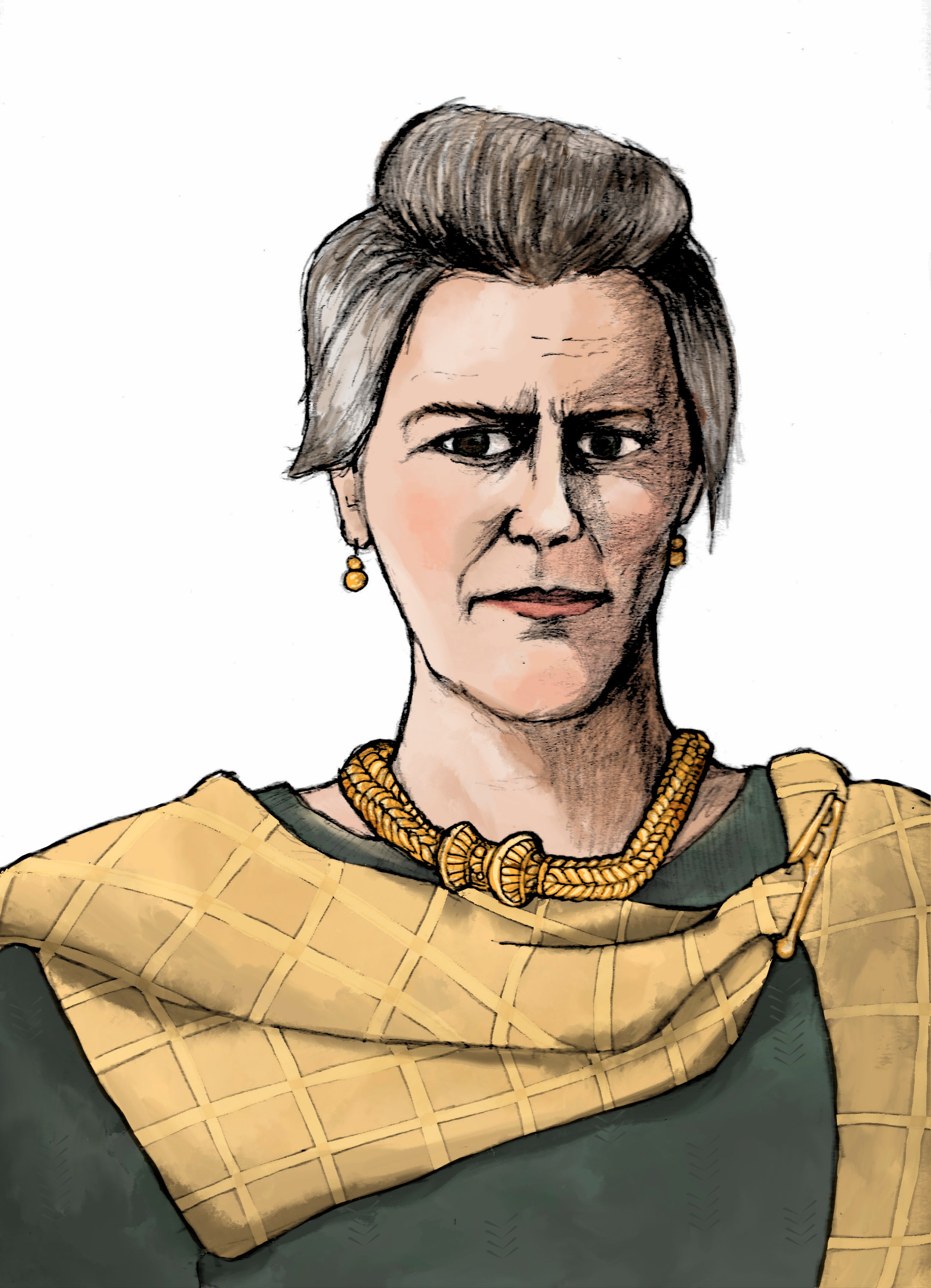 An artistic impression of Verica as Rex: an Iron Age queen or a 'female King' (Bournemouth University)
Bournemouth University
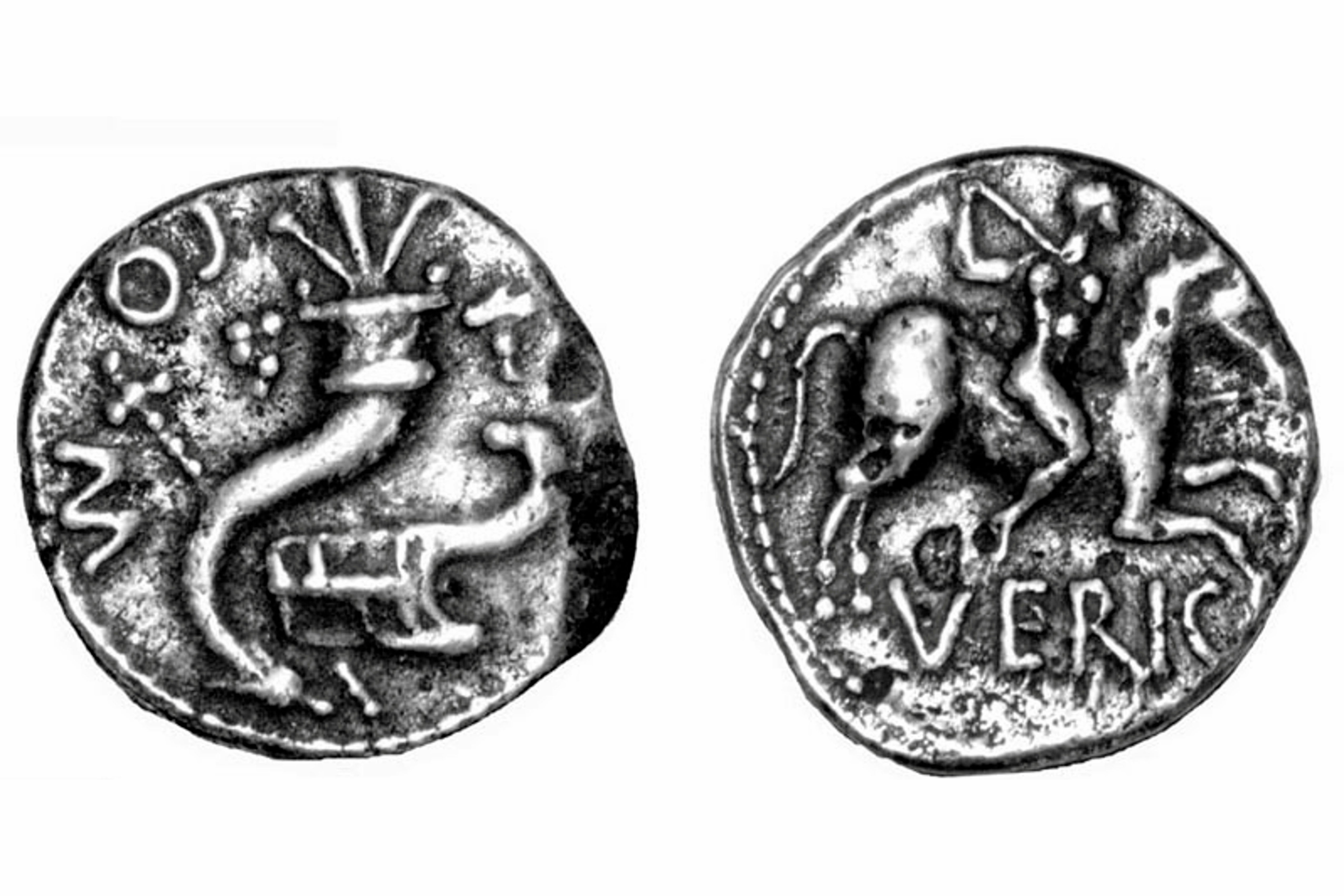 A silver coin of Verica showing a naked, horse-riding female warrior with a spear (Bournemouth University)
Bournemouth University
Verica, the British Iron Age ruler whose expulsion from southern Britain gave Rome its pretext for invasion, was a woman, according to Dr Miles Russell, director of archaeological fieldwork at Bournemouth University. The argument appears in his new book, Caratacus: Great King of Britain.
Verica ruled the Atrebates across much of modern-day Hampshire and West Sussex until being ousted in 40 AD, and fled to Emperor Claudius in Rome. Three years later the legions crossed the Channel, an expedition the Roman historian Cassius Dio recorded as happening because Verica persuaded Claudius to undertake it.
The sex of Verica, Russell argues, was assigned by the patriarchal mindset of 19th-century classical historians rather than by the evidence. The name ends in "a", as do those of Boudica of the Iceni and Cartimandua of the Brigantes, female rulers of the same era. The coins of the period show Verica as "a slender, feminine, bare-breasted figure riding on horseback". And the Latin "rex" struck on them is non-gender-specific: Rome recognised female kings, Cleopatra most famously, and the title marks Verica as ruling with the emperor's full authorisation.
Russell calls Verica indisputably female, and one of the earliest and most important of British female leaders. He also argues the reading reshapes the invasion itself. Claudius needed a military triumph to prove himself, and Verica supplied the excuse for regime change along with tactical information and support on the ground. Without the deposition and the flight to Rome, he suggests, the legions might never have come at all.
Russell notes that an emperor committing to an invasion because a woman told him to fits what contemporaries already believed about Claudius. Cassius Dio, who attributed the invasion to Verica's persuasion, depicted the emperor as weak-minded and ineffective, and recorded that his policy decisions were dictated by women and freed slaves.