
Fastest-spreading Ebola epidemic on record passes ten thousand cases in DR Congo
5,103 dead as Bundibugyo virus reaches Kenya and Nigeria, Britain has recorded four cases since 1976 and none died
Images
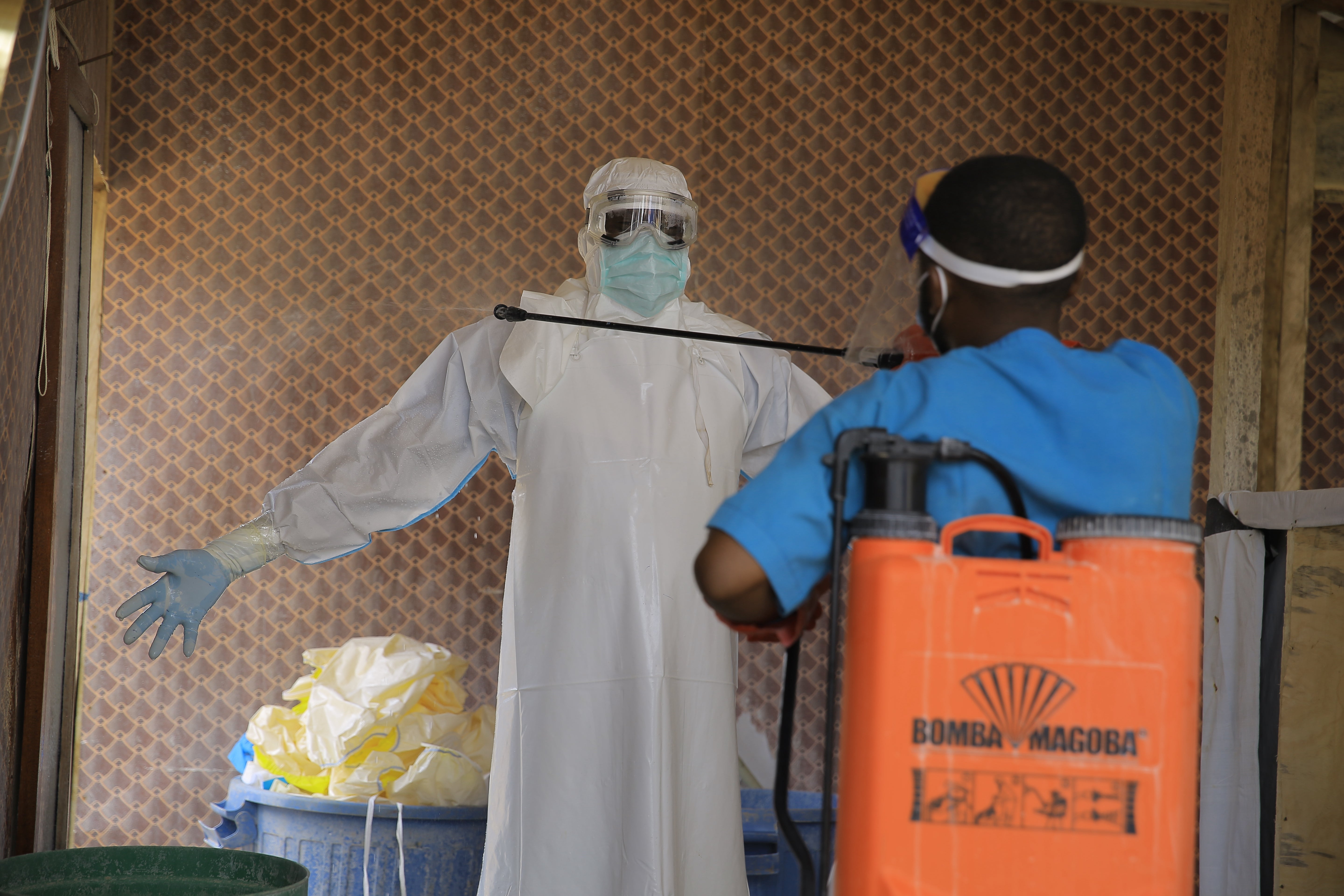 A healthcare worker is disinfected by a colleague inside a treatment centre for Ebola patients in eastern Congo (AP)
independent.co.uk
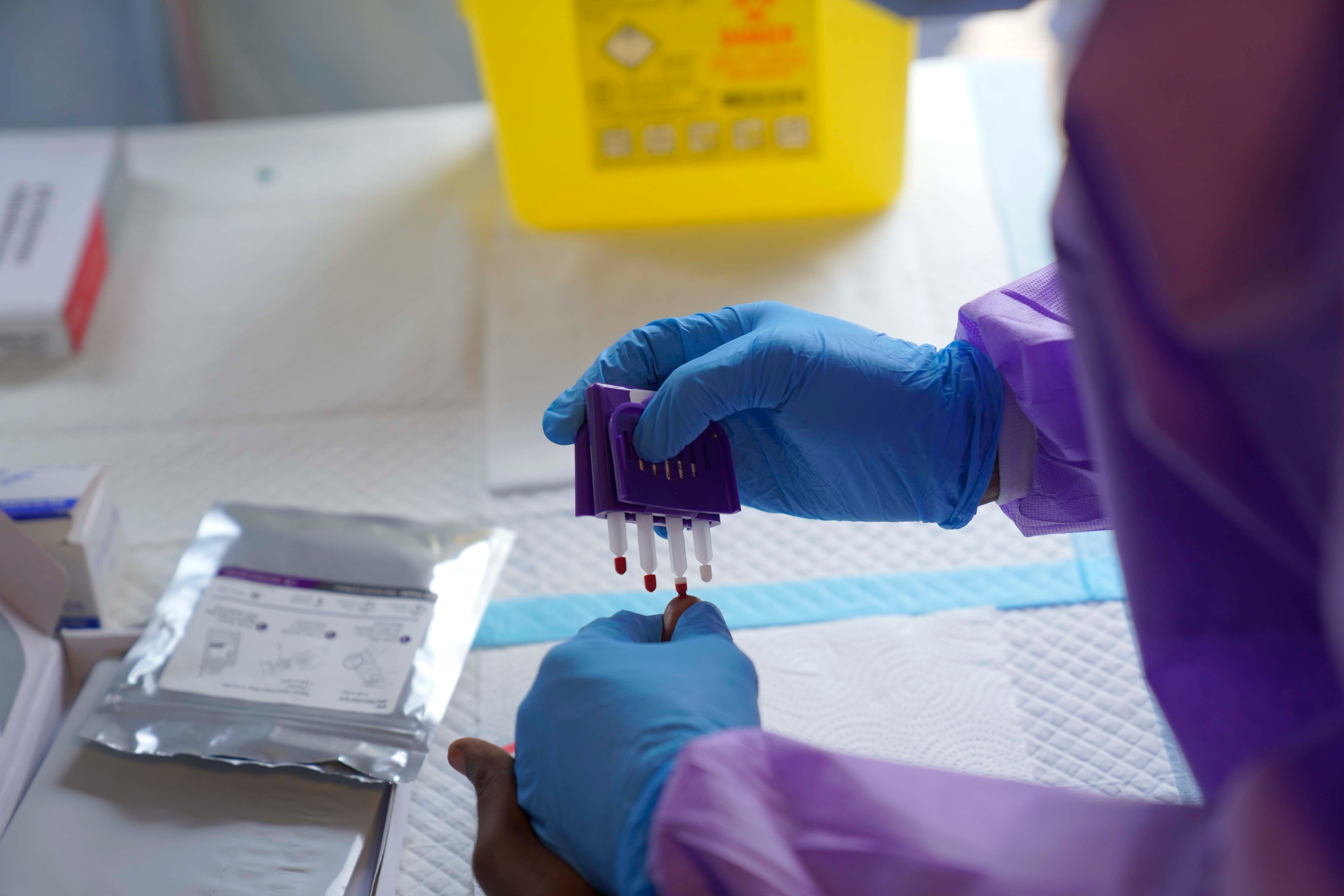 Clinical trials for vaccines are underway (AP)
independent.co.uk
The Democratic Republic of the Congo had recorded 10,467 Ebola cases and 5,103 deaths by October 31, in what microbiologist Simon Clarke calls the fastest-spreading Ebola epidemic on record. The outbreak is driven by the Bundibugyo virus, one of several Ebola types, and is no longer Congolese alone: Kenya and Nigeria have confirmed cases, and Uganda was struck earlier in the wave.
The question animating British coverage — could it reach the UK — has an answer in the UK Health Security Agency's own ledgers. UKHSA has recorded four Ebola cases since the virus was first identified in 1976, and none of the four died. Britain maintains detailed guidance on diagnosing and managing suspected cases, laboratory testing and contact tracing, procedures for monitoring aid and medical workers returning from affected regions, and NHS specialist centres behind them. The plan has waited, largely unused, for fifty years.
What separates Britain from the outbreak zone is administration, not virology. Ebola spreads through close contact with the body fluids of someone already ill — vomit, blood, sweat, urine — or with objects those fluids have contaminated. There is no evidence it travels by cough or sneeze the way flu and COVID do, and people become infectious only once symptoms appear, between two and 21 days after infection. That makes Ebola the containable case: isolation and contact tracing, the tools that failed against COVID's silent pre-symptomatic spread, work far better against a disease that marks its carriers.
In the DRC, that machinery runs against conflict and an ongoing humanitarian crisis, which make it harder for health workers to find cases, treat patients and track those exposed — precisely the work that stops the virus. Large volumes of people and goods move between the affected areas and neighbouring countries, giving the virus repeated chances to cross borders: Kenya's first confirmed case was someone who had travelled from the DRC through Uganda to Nairobi, and on June 24 France's health ministry reported a travel-associated case in a humanitarian doctor returning from the DRC. An infected traveller can cover a long distance before feeling ill; what meets them at the other end decides whether the arrival is a contained case or a new chain of transmission.
Clinical trials of Ebola vaccines are underway. Britain's four Ebola patients since 1976 all survived; the 5,103 deaths have come in a country where conflict and humanitarian crisis have made finding cases, treating patients and tracing contacts the hardest part of the job.