
UK broadcasters need YouTube creators more than creators need them
After Party Studios chief says talent skips TV unless the offer is exceptional, Channel 4 cuts a third of its workforce while the BBC drops RuPaul's Drag Race and the BBC Three channel
Images
 King Kenny with Leigh-Anne Pinnock in The Celebrity Traitors. Josh Barnett of APS says that only big opportunities such as this will interest content creators in TV offers today. Photograph: BBC/PA
theguardian.com
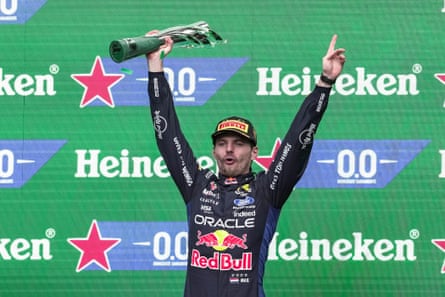 Max Verstappen celebrating his win at the Formula 1 Mexican Grand Prix in November. Photograph: Richard Callis/SPP/Shutterstock
theguardian.com
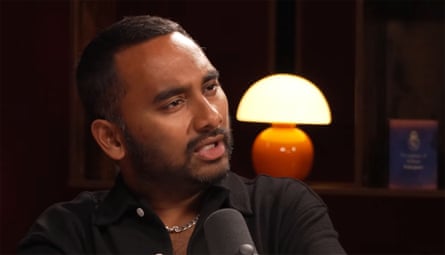 The Amol Rajan Connection. Photograph: Youtube
theguardian.com
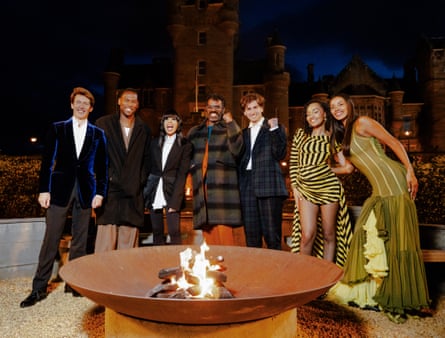 King Kenny (second from left) with Celebrity Traitors host Claudia Winkleman (third left) and fellow 2026 finalists (from left) James Blunt, Romesh Ranganathan, Sebastian Croft, Leigh-Anne Pinnock and Maya Jama. Photograph: Paul Chappells/PA
theguardian.com
British broadcasters need YouTube creators more than the creators need them, according to Josh Barnett, chief executive of the production company After Party Studios. His company, founded by a YouTuber and backed by Elisabeth Murdoch, has drawn millions of views with shows featuring KSI and the Formula 1 driver Max Verstappen.
After Party Studios describes itself as "mainstream meets digital" and was set up ten years ago in a basement in east London by Callum McGinley — online as Callux, with 3.9 million YouTube subscribers — and executive creative director Ben Doyle, after years of trying out formats alongside the Sidemen. It is now backed by Murdoch's media company Sister Group and also makes shows for traditional television companies.
The traditional side of the business is contracting. Channel 4 is cutting a third of its workforce, and the BBC is dropping programmes including RuPaul's Drag Race along with the BBC Three channel. Squeezed first by global streamers such as Netflix and Amazon, the BBC, ITV and Channel 4 now face viewers and advertisers following talent to platforms where the institutional middleman is optional: performers reach young audiences directly on YouTube and TikTok, and journalists increasingly skip the institutions entirely, taking their audiences to Substack, YouTube and Patreon. Amol Rajan left the BBC's Today programme to run his own channel, The Amol Rajan Connection.
Barnett says the courtship has reversed within a decade. When Channel 4 came knocking, creators once thought: "That's cool, that's shiny, that's interesting." Now, unless a broadcaster offers an "incredible opportunity" or an "absolute fortune", creators are "not that interested" — and few big names jump ship, because they already have "such big broadcast channels themselves". Traditional firms, he says, are "spending a lot of money on YouTube".
Linear television still manufactures the one thing no creator channel can produce alone: a single night of simultaneous mass attention. The Guardian puts the opening episode of this year's Celebrity Traitors at about 15.7 million UK viewers, and Barnett cites the YouTuber King Kenny — a finalist alongside James Blunt, Maya Jama and Leigh-Anne Pinnock — as the sort of opportunity still worth a creator's time. In such deals the broadcaster rents an audience for an evening; the creator keeps the subscriber, who follows a person rather than a schedule.
After Party Studios' YouTube series about the Brazilian footballer Neymar, Inside Neymar Jr's World, was funded by Red Bull.