
Ten European states pool evidence on alleged torture of Gaza flotilla activists in Israeli custody
Eurojust-coordinated prosecutors build universal-jurisdiction cases against Netanyahu cabinet members, complaints filed in five more countries
Images
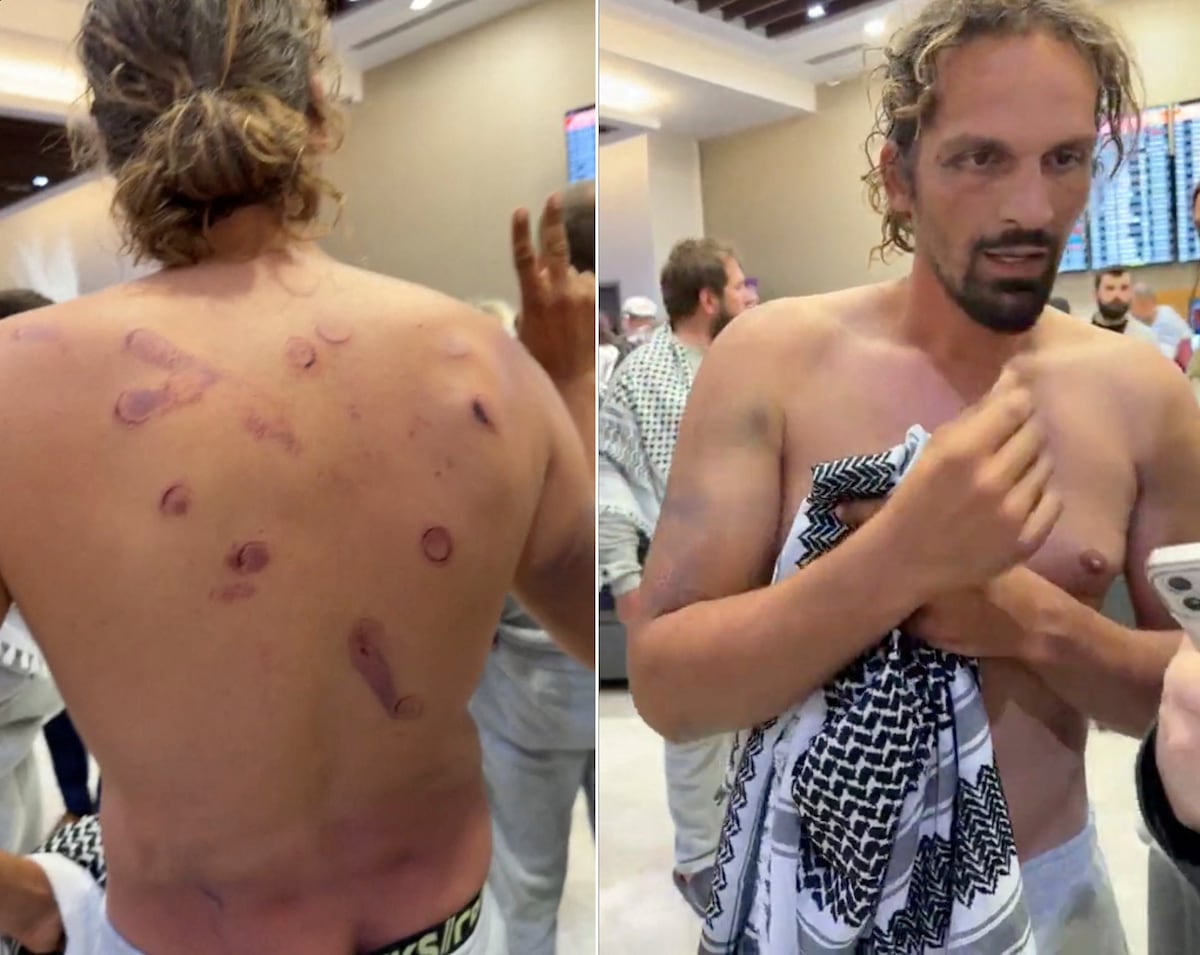 Ten European countries share evidence on alleged torture of Gaza flotilla activists
english.elpais.com
Prosecutors from ten EU member states — Spain, France, Italy, Portugal, Belgium, the Netherlands, Poland, Slovakia, Sweden and Finland — are sharing evidence on the alleged torture, kidnapping and ill-treatment of their nationals after Israel intercepted the Global Sumud Flotilla in international waters, El País reports. Australia is cooperating in the information exchange. The coordination runs through Eurojust, the EU's judicial cooperation agency, after a meeting in The Hague on 16 September; the first reports of the gathering came from Italy's La Repubblica.
The investigations concern two intercepted humanitarian missions: the flotilla raid of October 2025 and a second mission seized in May 2026. The complaints name Israeli politicians, officials and military commanders — including members of Benjamin Netanyahu's cabinet. In Spain, judge Francisco de Jorge at the Audiencia Nacional has agreed to hear a case against Eyal Zamir, chief of staff of the Israeli military, and Ram Rotberg, commander of the Israeli navy. Prosecutor Dolores Delgado, who coordinates human rights cases in Spain's Attorney General's Office, opened her own file into Israeli military actions in Gaza in June 2025 and is gathering evidence for both the International Court of Justice and for cases against Netanyahu and former defence minister Yoav Gallant at the International Criminal Court. In at least five further countries — among them Germany, Norway and Austria — complaints have been filed, though formal investigations have not yet been opened.
The difference from earlier international reckonings is jurisdiction. A UN commission can issue findings; a national prosecutor with a tortured citizen can issue arrest warrants and extradition requests. Several states at the Hague meeting were primarily collecting material to support cases they intend to prosecute in their own courts, meaning every Israeli detention and deportation of a European passport-holder becomes a documented evidentiary record rather than a diplomatic talking point. Israel's response so far has been to call the flotilla participants provocateurs — a characterisation that now sits before judges rather than spokesmen.
Rome's chief prosecutor Francesco Lo Voi confirmed meetings with representatives of other countries. Eurojust declined to comment.