
US mediates Ukraine-Russia talks in Abu Dhabi on November 10 and 11
Witkoff announces working-level negotiations on post-war security after Brussels meetings with European allies, Europe gets consulted in a war on its own border while the venue and the agenda are set in Washington and the Gulf
Images
 Putin agrees to resume peace talks as Zelenskyy signals openness to 'freeze' front lines
foxnews.com
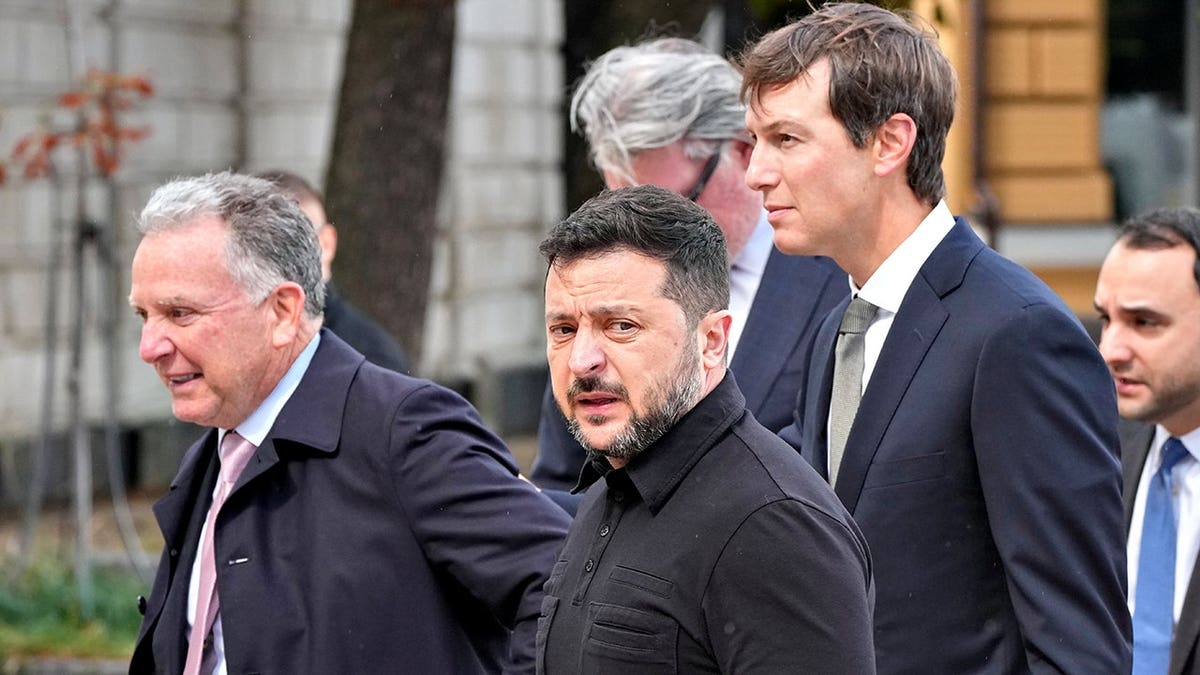 Volodymyr Zelenskyy walks with Jared Kushner and Steve Witkoff in Kyiv.
foxnews.com
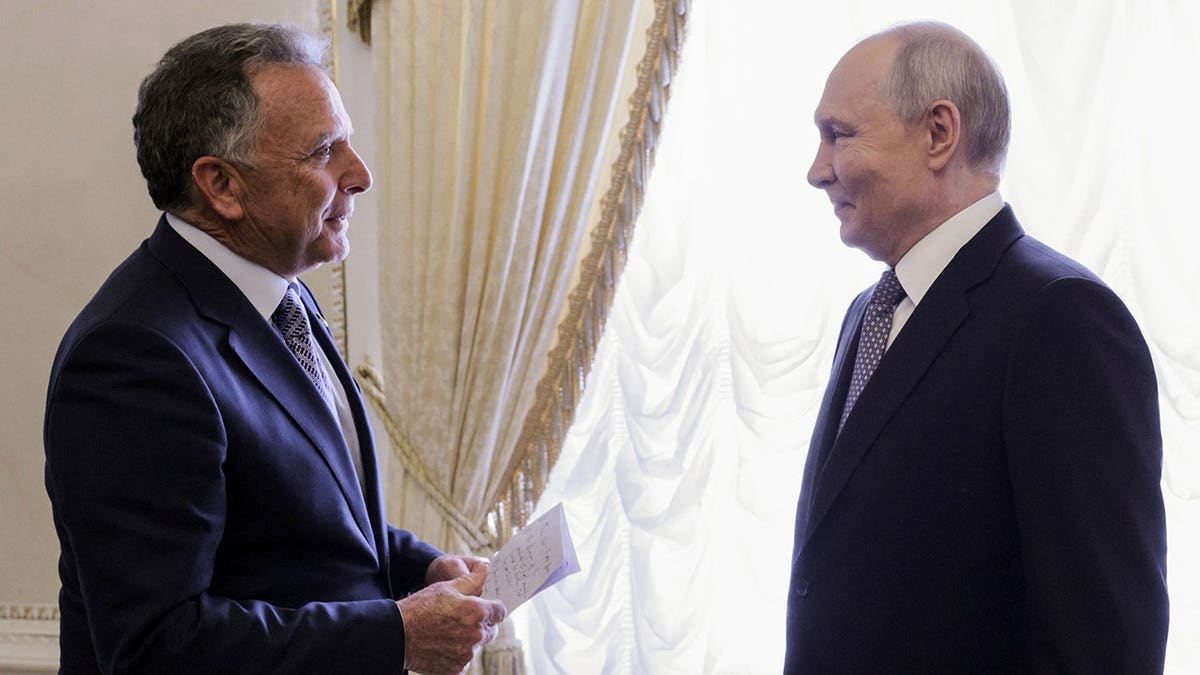 Steve Witkoff speaks to Vladimir Putin while holding a paper.
foxnews.com
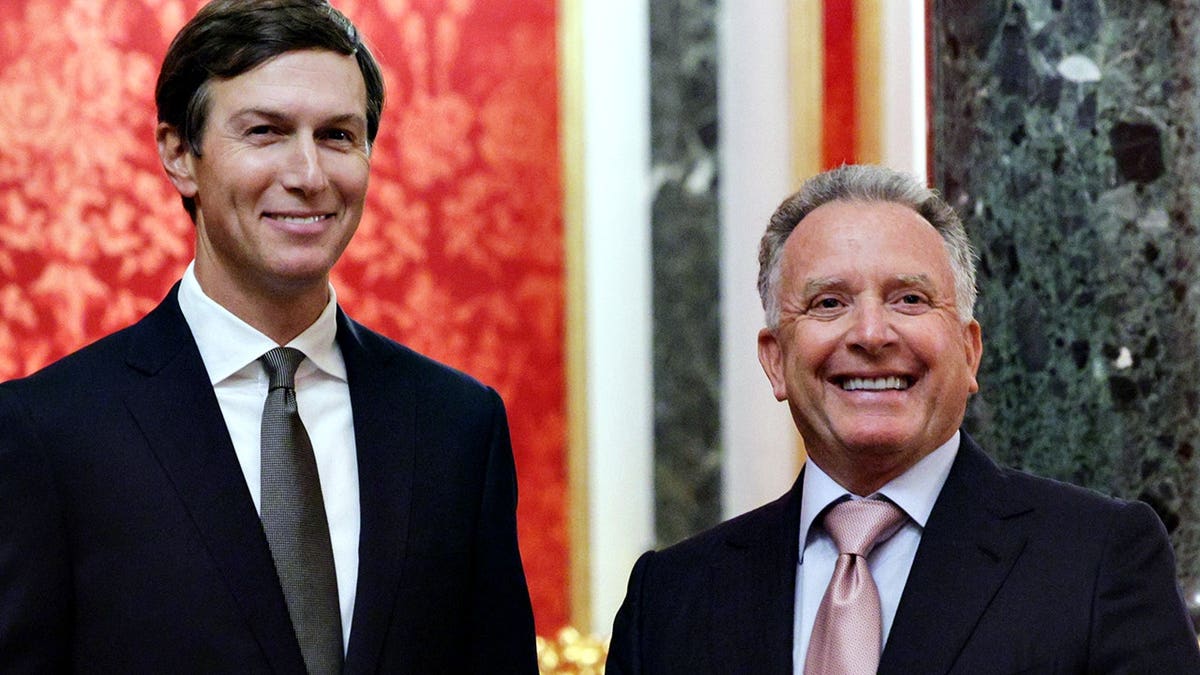 Jared Kushner and Steve Witkoff smile while waiting at the Kremlin in Moscow.
foxnews.com
US Special Envoy Steve Witkoff has announced that American officials will mediate a new round of Ukraine-Russia talks in Abu Dhabi on November 10 and 11, with discussions focused on post-war security arrangements, de-escalation and humanitarian efforts. "The United States will mediate working-level negotiations between Ukraine and Russia on November 10–11 in Abu Dhabi, advancing President Trump's mission to end the war," Witkoff wrote on X.
Before the Gulf round, US negotiators will meet representatives from France, Germany, the United Kingdom, the EU and NATO in Brussels to discuss security guarantees for Ukraine, Europe's post-war security architecture and economic support for Ukraine's reconstruction. Witkoff said the diplomatic push builds on earlier discussions in Kyiv, Oslo and St. Petersburg, toward what he called "a comprehensive, durable peace agreement that delivers lasting security for generations to come."
The venue tells its own story. Abu Dhabi is not Geneva, and it is certainly not Brussels: the states physically closest to the war — and most exposed to its consequences — will be represented at the negotiating table only insofar as Washington chooses to carry their positions into the room. Ukraine's own levers are visible in President Zelenskyy's stated openness to freezing front lines in exchange for security guarantees, a formulation that concedes the war's outcome on the battlefield while shifting the contest to whatever guarantees are offered and who stands behind them.
The timing is likewise not neutral. Trump said last month that efforts to resolve the war were "maybe now the closest we've been," days before midterm elections in which his administration has an evident interest in a visible diplomatic success. Putin agreed to resume talks after meeting Witkoff, who together with Kushner has travelled to Moscow to push for an end to the war — an access to the Russian president that no European government currently enjoys, and a reminder of who is conducting this diplomacy.
Meanwhile, on the Dnipro front near Kherson, 180 people were recently evacuated under the war's only ceasefire both sides have honoured — a local Red Cross arrangement to allow civilians out of shelled villages. The contrast is stark: large diplomacy is being staged in the Gulf, but the only working truce in this war was negotiated at a river crossing by people who could see the other side. What Abu Dhabi adds, beyond a venue flattering to the mediator, remains the question the delegations will arrive with.