
China's clean tech exports could avert 8 400 million tonnes of CO2 over equipment lifetime, CREA report finds 61 per cent jump in EV shipments driven by war-disrupted oil routes
Emissions only count if imported hardware replaces coal rather than adding to it
Images
 China's record clean tech exports help slash global emissions - report
euronews.com
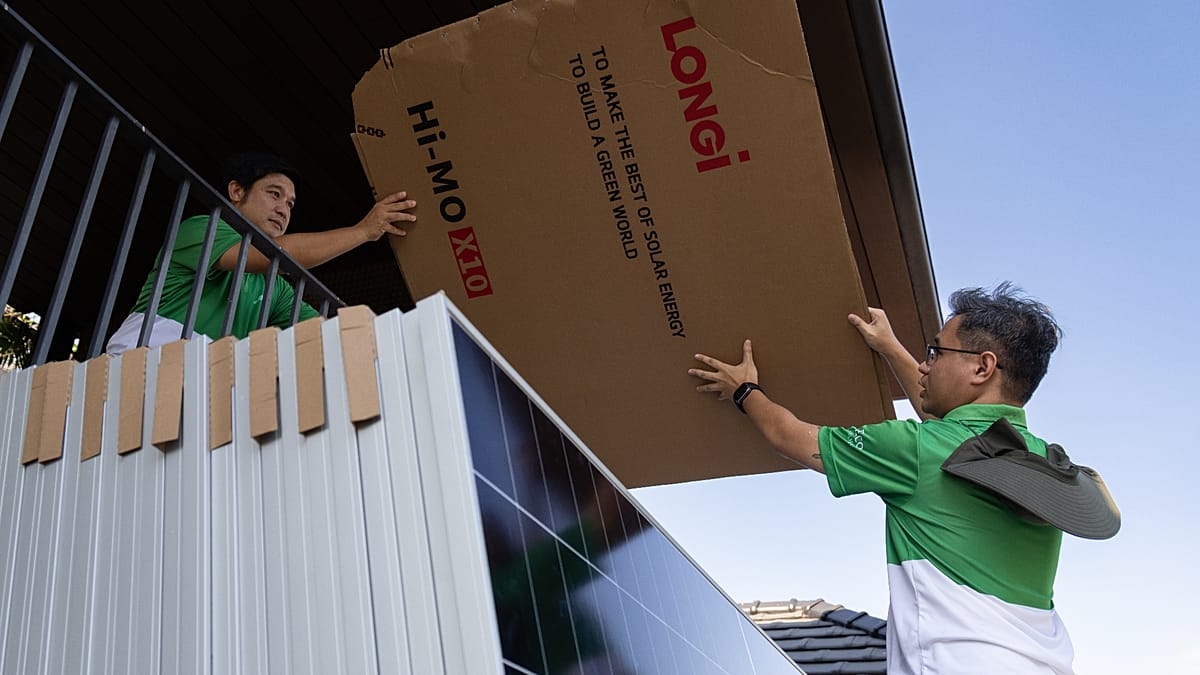
China's record exports of clean energy technology could avert about 8,400 million tonnes of carbon dioxide over the lifetime of the equipment shipped in 2026, according to a report released on 29 October by the Finland-based Centre for Research on Energy and Clean Air (CREA). That figure is roughly 24 per cent of annual global emissions — more than the United States and India combined. The estimate comes with built-in conditionality. The emissions are only averted if the solar panels, wind turbines, batteries and electric vehicles actually displace fossil generation in the countries that receive them, not if they are added on top of it. CREA's analysis is based on export data, the electricity systems of destination countries, and Chinese emissions during manufacturing; independent experts told reporters the estimate matched the scale of China's exports but were unable to validate the data. What is measurable is the trade itself. In the first nine months of 2026, CREA tracked a 61 per cent year-on-year increase in Chinese electric vehicle exports, a 45 per cent jump in wind turbine shipments, a 39 per cent rise in battery exports and 22 per cent growth in overseas solar equipment sales. EV exports alone were worth $72.8 billion in that period. Exports to Southeast Asia jumped nearly 160 per cent, and — despite higher US tariffs — Chinese clean tech shipments to the United States still rose 13 per cent. The demand driver is the Iran war. Disruption to shipping through the Strait of Hormuz, which normally supplies a fifth of the world's oil and gas, has hit import-dependent Asian economies hardest, and consumers facing higher fuel and electricity prices are turning to rooftop solar and other alternatives. Laos, Thailand, Vietnam and the Philippines have all introduced incentives for solar installation and EV purchases; the Philippines became the second-largest destination for Chinese solar exports. "We're seeing growth in clean energy that is much, much faster than anyone predicted just a few years ago," said CREA's Lauri Myllyvirta, calling it a pivot point for the global emissions outlook. Muyi Yang of the think tank Ember likened China's energy transition to replacing a ship's engine while still at sea — China remains the world's largest emitter even as it supplies most of the equipment the rest of the world installs. Every gigawatt of panel and turbine now flows from one state's industrial policy, purchased by governments pricing in a war the exporter had no hand in starting.