
UN ends Western Sahara mission after 35 years
Russia vetoed US draft backing Moroccan sovereignty as its own extension bid failed, mission named for a referendum that never took place
Images
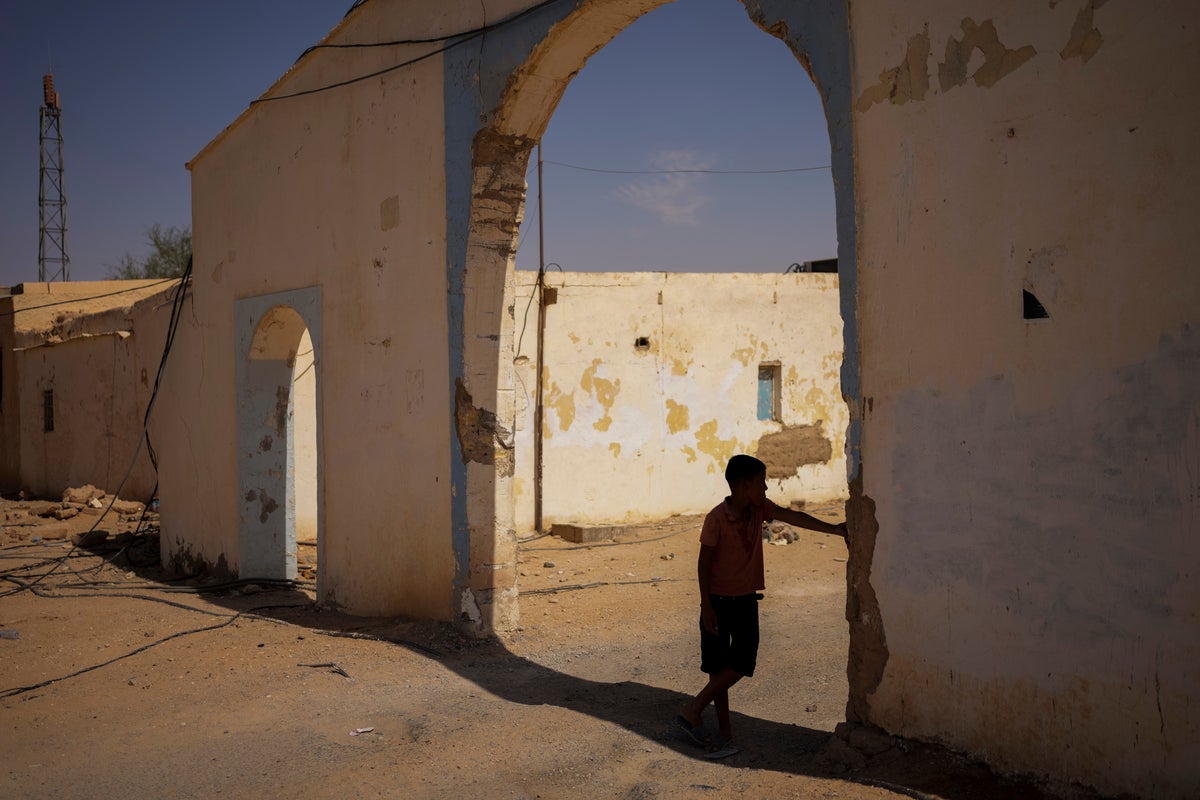 UN’s peacekeeping mission in Western Sahara ends after 35 years following US-Russia standoff
independent.co.uk
The UN peacekeeping mission for Western Sahara ceased operations on Sunday after 35 years, ended not by the conflict it was sent to monitor but by a standoff between Washington and Moscow. On Friday Russia vetoed an American draft resolution that would have endorsed Morocco's sovereignty claim and wound the mission down next year; the rival Russian text extending the force was voted down the same day. With no majority for anything, the mandate lapsed.
The force was formally the UN Mission for the Referendum in Western Sahara. The referendum never happened. Created in 1991 after a ceasefire ended the war that followed Morocco's 1975 annexation of the former Spanish territory — more than fifteen years of fighting and over 16,000 dead on both sides, according to the French Senate — the settlement plan provided for a vote on self-determination with independence among the options. It foundered on the voter roll: Morocco demanded that Sahrawis living under its administration be counted; the Polisario Front insisted on Spain's colonial census, arguing the additions would tilt the outcome toward integration. Neither side wanted a vote it might lose. So the mission spent three decades observing a ceasefire along a Moroccan-built sand wall, with Rabat administering nearly all the territory and Polisario holding a strip east of the wall and refugee camps around Tindouf in Algeria.
The wind-down is already under way. Spokesperson Stéphane Dujarric said 1 November marks the start of the liquidation period, with a reduced team under the Department of Operational Support returning troop-contributing countries' assets and disposing of UN equipment. The force was authorised at 534 personnel, carried a budget of more than $62 million for 2026-27, drew its main contingents from Egypt, Ghana and Pakistan, and lost twenty members over the years.
Morocco's royal palace welcomed the non-renewal, calling the mission "an instrument to internationalize the dispute." Rabat has spent decades making the territory — its "southern provinces" — the measure of its foreign relations, and has collected the backing of a growing roster of Western capitals, including Washington, Paris and London. Polisario, backed by Algeria, called the decision "unacceptable"; Algeria's foreign ministry voiced profound regret and criticised the "excessive bias" of the American draft. The US text would have closed the mission next year on Moroccan terms; Russia's veto moved the date forward, and Moscow's own alternative failed too. The party that wanted the force gone gets its outcome either way; the Sahrawis, whose international backing has been dwindling for years, were not party to the vote that ended it.
The UN still classifies Western Sahara — a desert territory on the Atlantic coast roughly the size of Colorado, rich in minerals and fisheries — as non-self-governing, and describes the dispute as Africa's longest. Dujarric's statement detailed the disposal of equipment and the transport of assets home. It set no date for the referendum.