
Dame Uta Frith says the autism spectrum she believed in has come to its collapse
UK diagnoses rose 787 percent between 1998 and 2018 with adults driving the increase, the psychologist also rejects TV presenter Chris Packham's Asperger's diagnosis
Images
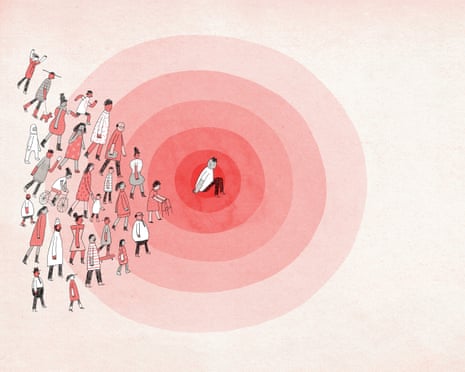 Illustration: Brian Rea/The Guardian
theguardian.com
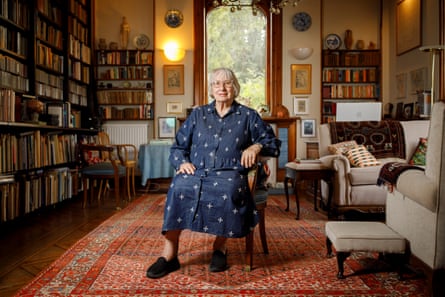 Autism expert Uta Frith, who fears the term has become a ‘vague, culturally amplified identity category’. Photograph: Alicia Canter/The Guardian
theguardian.com
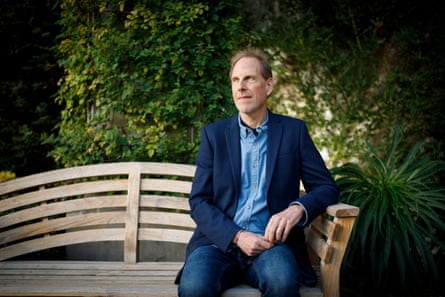 Clinical psychologist Simon Baron-Cohen, who agrees talk of a spectrum is proving increasingly problematic. Photograph: Alicia Canter/The Guardian
theguardian.com
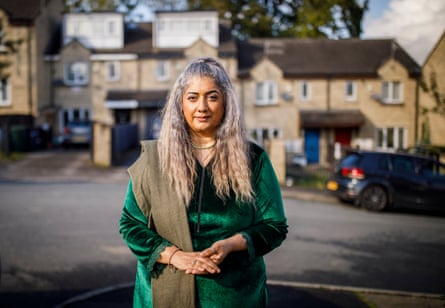 Hina Shaikh, who was diagnosed four years ago, aged 42. Photograph: Alicia Canter/The Guardian
theguardian.com
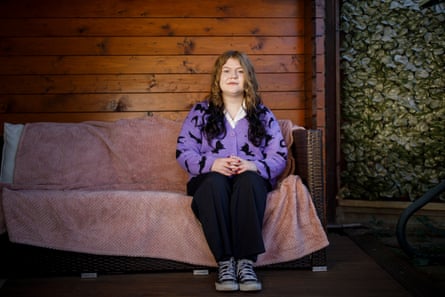 Abigail Stow, who was diagnosed in April. Photograph: Alicia Canter/The Guardian
theguardian.com
Dame Uta Frith, the developmental psychologist who helped build the case for a single autistic spectrum, has concluded that the term has "come to its collapse." Her reversal follows a 787 percent rise in UK autism diagnoses between 1998 and 2018, with the single biggest jump occurring among adults.
In a March interview with TES magazine, Frith said the spectrum had "gone on being more and more accommodating" until it reached that point. In August, writing in the journal Psychological Medicine, she argued that autism was in danger of turning from a "precise, clinical" term into a "vague, culturally amplified identity category." American figures show a 175 percent increase across the whole population between 2011 and 2022, concentrated among 26- to 34-year-olds; childhood rates have climbed in both countries as well.
Frith, 85, once accepted the broad spectrum. She now argues that many people diagnosed as adults differ so much from those whose condition was obvious in early childhood and who have learning disabilities that most of the former group do not merit the label "autistic." Some adults, she says, have been steered toward the diagnosis by social media, and a subgroup once called neurotic — people with anxiety and a kind of hypersensitivity — has migrated into the category.
In a summer interview with the Times, she was asked about the naturalist and television presenter Chris Packham, diagnosed at 44 with what was then called Asperger's syndrome. "He cannot be autistic in my opinion," she said. "It is just absolutely absurd to me that somebody who can communicate as brilliantly as he does — that is what I call a blatant contraindication." She says she did not expect those comments to reach print. Lately she has been receiving hostile and abusive emails; her way of coping, she says, is to delete them.
The other end of the spectrum looks different. James Harris, the Guardian journalist's 20-year-old son, was diagnosed 17 years ago; he has learning disabilities and attends a specialist further education college. The people now filling the category, Frith argues, are mostly nothing like him.
The day after the Guardian's visit, Packham was scheduled to arrive at Frith's north-west London home with a BBC camera crew. Harris later learned the two got on very well.