
British PM open to formal apology for slave trade
Burnham rules out reparations ahead of Commonwealth summit in Antigua, debt restructuring offered instead of the cancellation Caricom demands
Images
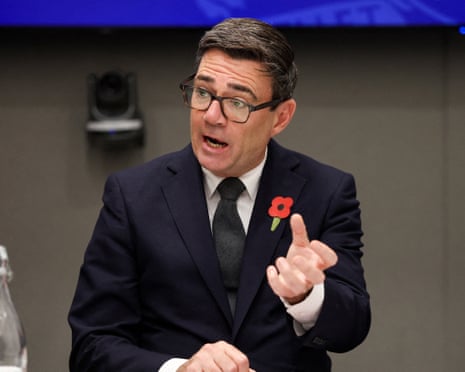 Andy Burnham said he wanted to share his ‘sorrow and regret’ for the pain and suffering of millions of people due to slave trade. Photograph: Russell Cheyne/AFP/Getty Images
theguardian.com
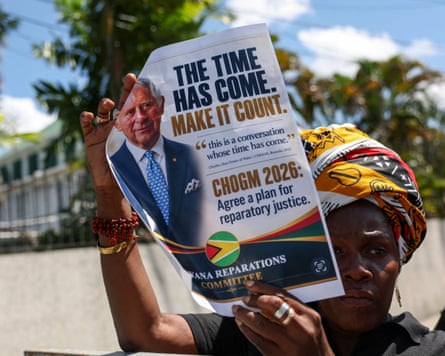 A protester from the Guyana reparations committee holds a placard as people demonstrate on the day King Charles visited Georgetown, during a tour of Caribbean nations that will also take him to Antigua and Barbuda for the Commonwealth Heads of Government Meeting. Photograph: Isabel Infantes/Reuters
theguardian.com
 standard.co.uk
 standard.co.uk
Prime Minister Andy Burnham has gone further than any previous British leader toward a formal state apology for the transatlantic slave trade, writing in the Guardian ahead of next week's Commonwealth heads of government summit in Antigua. In the same article he ruled out financial reparations. "I do not think that British people today can be held liable for historical wrongs, however heinous, which happened in a different age under different laws and in which they played no personal part," he wrote.
The demands arrive as a package. Caribbean states, backed by some African countries, have pressed European nations including the UK, France and Spain for years for monetary compensation, a full formal apology, support for health and education, and debt cancellation. An official apology is the acknowledgement of state responsibility on which the monetary claims are built. Burnham has opened one door and closed the other, offering instead a "structured dialogue" with those affected, his personal "sorrow and regret" for the suffering of millions, and the reminder that "we led the world in abolishing slavery – and we can show leadership again today."
Commonwealth secretary general Shirley Ayorkor Botchwey said last week that a formal apology from King Charles "wouldn't hurt," adding that the time had come for a serious conversation on reparations. The King will attend the summit. Burnham's concrete offer is a debt-restructuring drive led by former prime minister Gordon Brown, expected to eventually include the IMF, that would let the poorest Commonwealth countries repay over longer periods at better interest rates. Debt-servicing costs for those countries are at their highest in more than 25 years, and more than 40 percent of the poorest and most vulnerable of them spend more on interest repayments than on health.
Denis O'Brien, founder of The Repair Campaign, called the prime minister's statement disappointing and said it would not quell the demand from the 15 Caricom countries before the Antigua summit. The offer to countries spending more on interest than on health is help repaying their debts over longer periods, at better rates.