
UN investigator says Myanmar junta attacks civilians to terrorize them
Weapons purchases from China and Russia fuel the war as ASEAN warms to the generals, 32,000 detained since the coup while Washington courts Naypyidaw over rare earths
Images
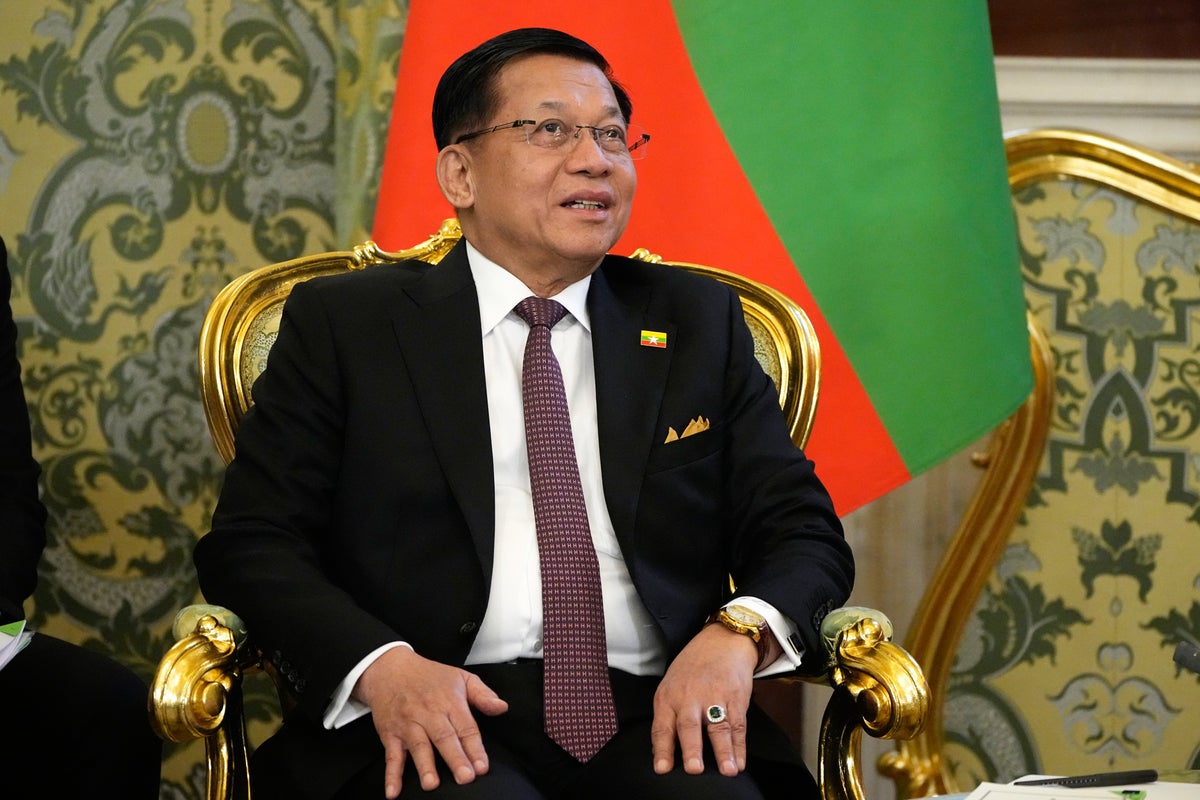 UN investigator: Myanmar junta attacks civilians to terrorize them as arms buys fuel war
independent.co.uk
The UN's special rapporteur on human rights in Myanmar said Thursday that the military government is intentionally attacking civilians to terrorize them, and that its growing weapons purchases from China, Russia and elsewhere are fueling the war. Kelley Currie said she found it worrying that countries are engaging with the junta without demanding conditions such as a reduction in violence, freedom for political prisoners, or dialogue toward peace.
The engagement she described is already underway. ASEAN members who once rebuked the generals for seizing power from Aung San Suu Kyi in 2021 have recently appeared receptive to warmer relations, and Washington sent a State Department official to Naypyidaw this month for direct talks — officially to free a detained American, with rare earths the working subject and sanctions relief on the table.
Currie's account of how the war is financed runs from currency arbitrage to demanded shares in companies, kickbacks from farmers, and control of the food and agriculture supply chain. The military leadership, she said, is deeply corrupt, operates across the legal, gray and black markets, and spends the proceeds on weapons and the surveillance apparatus that polices the roughly half of the country it controls. The legal economy has shrunk since the 2021 takeover; the illicit economy has grown. The junta's armed forces hold a significant advantage in arms and manpower, and its air power includes planes from China and Russia.
Nick Koumjian, who heads the UN's independent investigative mechanism for Myanmar, said he expects the International Court of Justice to rule soon on whether the military engaged in genocide against the Rohingya in 2017. Currie warned the judgment could trigger further violence, noting that groups behind hate speech and violence against non-Buddhist, non-Bamar minorities have grown more active online and in political spaces under the regime's control.
According to the Assistance Association for Political Prisoners, more than 32,000 people have been detained since the takeover, including Aung San Suu Kyi; at least 15,000 remain behind bars.