
Creatine shows benefit in only two of five mental-health trials
Systematic review of 238 patients finds small studies with varying doses and durations, the link between low brain creatine and suicidal thoughts was first observed forty years ago
Images
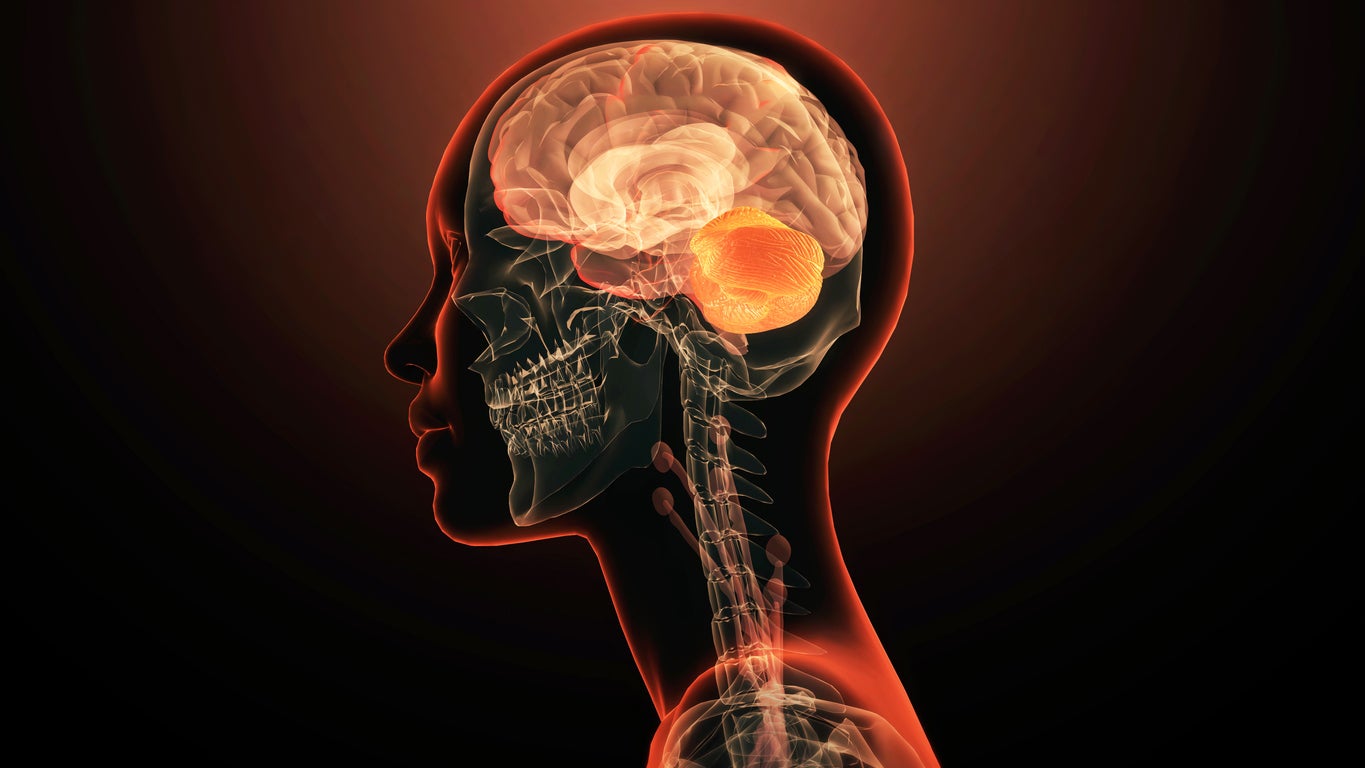 Research also found that people who are depressed can have low levels of creatine in the front of their brains (Getty/iStock)
Getty/iStock
 Research has also found that topping up creatine stores after a bad night’s sleep could counteract the effects of sleep deprivation on the brain (Getty/iStock)
Getty/iStock
Of five clinical trials testing creatine for mental health, two showed a benefit and three showed none. The tally comes from a systematic review covering 238 patients, in which every trial was small and no two asked the same question — some tested creatine alone, some added it to antidepressants, others to psychotherapy, at doses and durations that varied significantly.
Zudin Puthucheary, professor of intensive care medicine at Queen Mary University of London, lays out the state of the evidence in The Conversation. Creatine is a compound the body makes itself, found in red and white meat and in fish including salmon, tuna, cod and herring. Most of it is stored in muscle, where it supplies energy during activity — the property that made it a gym staple, and its advantages for strength and athletic performance are supported by evidence. It has since become one of the most widely used dietary supplements in the world.
The brain, though, is the organ with the outsized energy budget: 2 percent of body weight, 20 percent of the body's energy consumed, with demand rising during complex tasks. Small amounts of creatine are stored there as well, and researchers have found low levels in the frontal region of depressed patients' brains — the area most associated with mood. Forty years ago, scientists observed a relationship between suicidal thoughts and low creatine, and low brain energy is now thought to contribute to depression, bipolar disorder and schizophrenia. Large studies have found that people who consume more creatine report lower rates of depression, and small trials in teenagers with treatment-resistant depression and in people with bipolar disorder reported improved symptoms when creatine was added to usual medication.
The intervention record has not kept pace with that list. Trials of creatine alone, alongside antidepressants or alongside psychotherapy produced two positive results and three null ones, in studies too small and too dissimilar to settle the question. The same energy logic is invoked to explain why sleep deprivation dulls attention and memory processing.
Forty years after the first observation linking low creatine to suicidal thoughts, the treatment evidence stands at two positive trials and 238 patients.