
Ireland lifts eurozone growth past forecasts
Excluding Ireland the bloc grew exactly the 0.2 percent analysts expected, inflation at 3.8 percent keeps a December rate hike on the table
Images
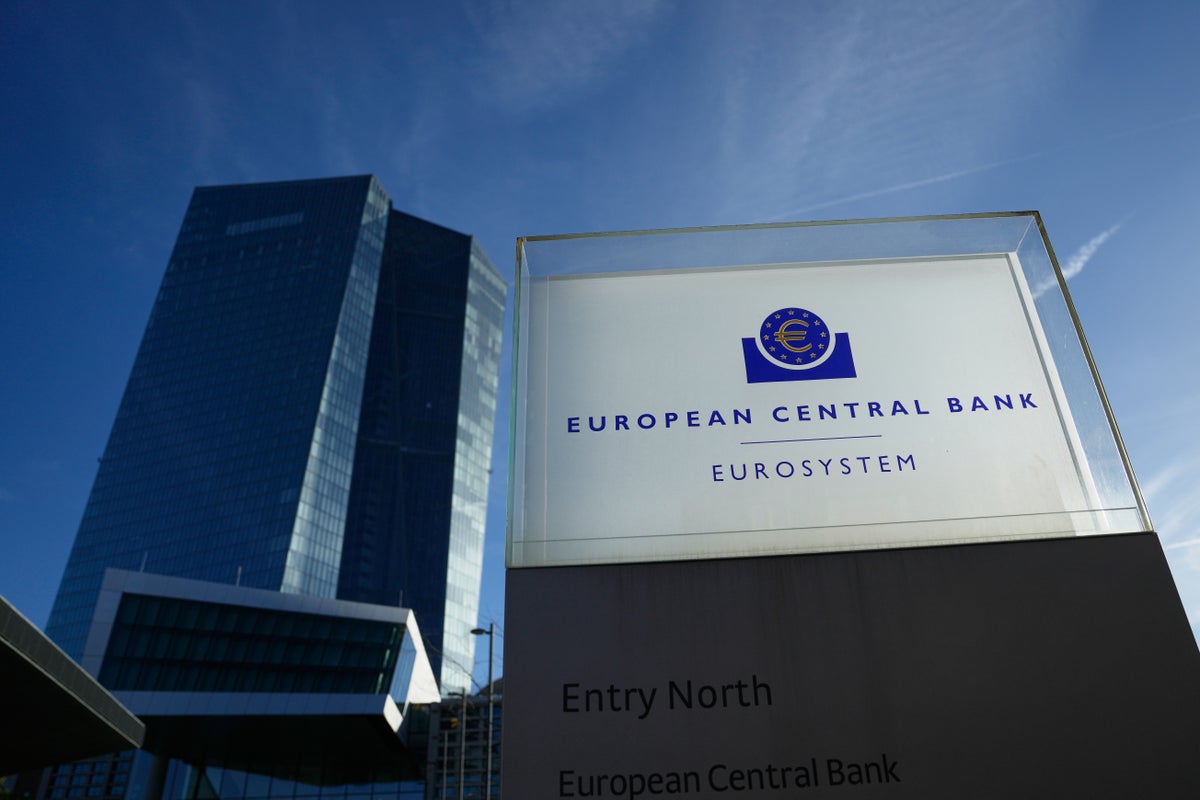 Europe's economy brushes off energy shock from Iran war, shows moderate growth in Q3
independent.co.uk
The eurozone economy grew 0.4 percent in the third quarter, twice the rate analysts expected, Eurostat reported on Friday. The beat has a single source: Ireland, whose economy expanded 5.5 percent in the quarter. Strip out the Irish figures, which are swung by the multinational technology and pharmaceutical companies that book their global activities there, and the 21-country currency bloc grew 0.2 percent — precisely what forecasters had pencilled in. Compared with the same quarter last year, output was 1.3 percent higher.
The figures arrive with oil prices elevated by the war between the United States and Iran, and with eurozone inflation at 3.8 percent, almost twice the European Central Bank's 2 percent target. The ECB left rates unchanged at Thursday's policy meeting; a December increase remains on the table.
Economists see little evidence yet that households and businesses have pared back spending because of the war. Jack Allen-Reynolds, deputy chief eurozone economist at Capital Economics, noted as much, and Paolo Grignani of Oxford Economics wrote that the bloc "remains resilient amid geopolitical turmoil and a worsening inflationary environment" while flagging "worrying signs" that higher oil prices are spreading to other sectors. Should those second-round effects reach wages and prices across the economy, they would support higher interest rates from the ECB — which would in turn impose higher borrowing costs on firms and households already paying an energy premium.
The growth is unevenly distributed. Germany grew 0.2 percent; France shrank 0.1 percent amid political deadlock over an outsized budget deficit that continues to weigh on business confidence; Spain, the Netherlands and Estonia each grew 0.6 percent.
The rate hold came in the same week that ECB president Christine Lagarde confirmed she will step down in February, eight months before her term ends and without public explanation, leaving the European Council to take up the succession in November. Her successor inherits the December meeting — and an inflation rate of 3.8 percent.
In Germany, river levels were too low for normal shipping and energy prices stayed high. Europe's largest economy grew 0.2 percent.