
Eleven EU states pledge 20.5 million barrels of diesel from strategic reserves, Belgium Denmark France Germany Greece Italy Lithuania Luxembourg Netherlands Portugal and Sweden commit releases by end of January
Sanctions that cut the cheapest supplier made Europe a premium buyer
Images
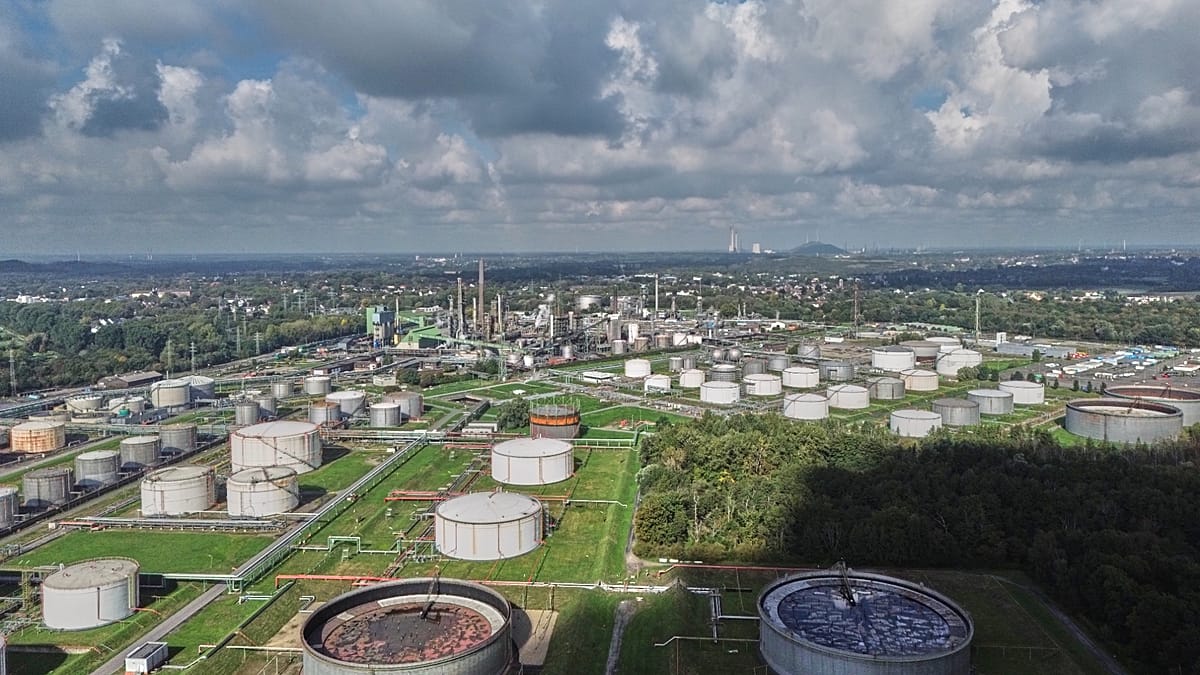 EU countries pledge 20.5mn diesel barrels as winter supply fears grow
euronews.com
Eleven EU countries have pledged to release 20.5 million barrels of diesel from strategic reserves by the end of January 2027, according to a document seen by Euronews. Belgium, Denmark, France, Germany, Greece, Italy, Lithuania, Luxembourg, the Netherlands, Portugal and Sweden signed the joint commitment, presented by French Energy Minister Roland Lescure on the sidelines of an energy ministers' gathering in Luxembourg on 29 October.
The pledge follows the G7 leaders' statement on energy security and an urgent call from the International Energy Agency, and extends a collective action launched in March that released 42.6 million barrels of oil and refined products — nearly half of it diesel. The European Commission's oil monitoring group describes diesel supply as "remaining tight", though Brussels maintains that "physical shortages" are not foreseen. Energy Commissioner Dan Jørgensen argued that skyrocketing prices will end up depriving the most vulnerable. Brent crude was trading at $112 on 20 October, up from $40 before the war.
The quiet acknowledgement behind the numbers is that Europe is now a premium customer on the world diesel market. The continent's workhorse fuel — road transport, freight, agriculture, industry, emergency services — was for years its cheapest, supplied substantially from the east. Sanctions on the nearest large supplier turned Europe into a buyer competing with everyone else for refined products from a strained global market, and the Middle East war has since tightened it further: attacks on Gulf refineries and Ukrainian strikes on Russian refineries have both driven prices up.
The eleven governments urged the Commission to coordinate monitoring, collecting monthly data on volumes released, product types and delivery timing — an attempt to give global markets visibility into additional supply and to coordinate responses if conditions deteriorate. They also pressed Brussels to ensure the bloc has functioning refineries capable of turning crude into diesel and jet fuel. FuelsEurope, the refining industry's trade body, asked Brussels to create the investment conditions for transforming the sector, warning that competitiveness needs protecting.
Analysts see the release of strategic stocks for what it is — a temporary measure that cannot compensate for lost refining capacity or disrupted supply chains. Progress is due to be reviewed at the 10 December gathering of EU energy ministers.
The reserves being tapped now were built for supply shocks, not for a continent that decided its cheapest supplier was politically unacceptable. Diesel at $112 crude is the carrying cost of that decision, paid in advance from the strategic stock.