
Microplastics rain down on Mount Everest all year
Chinese study finds empty northern slope collects nearly three times more plastic than the tourist-filled base camp, more than 56 tonnes may settle on the Tibetan Plateau annually
Images
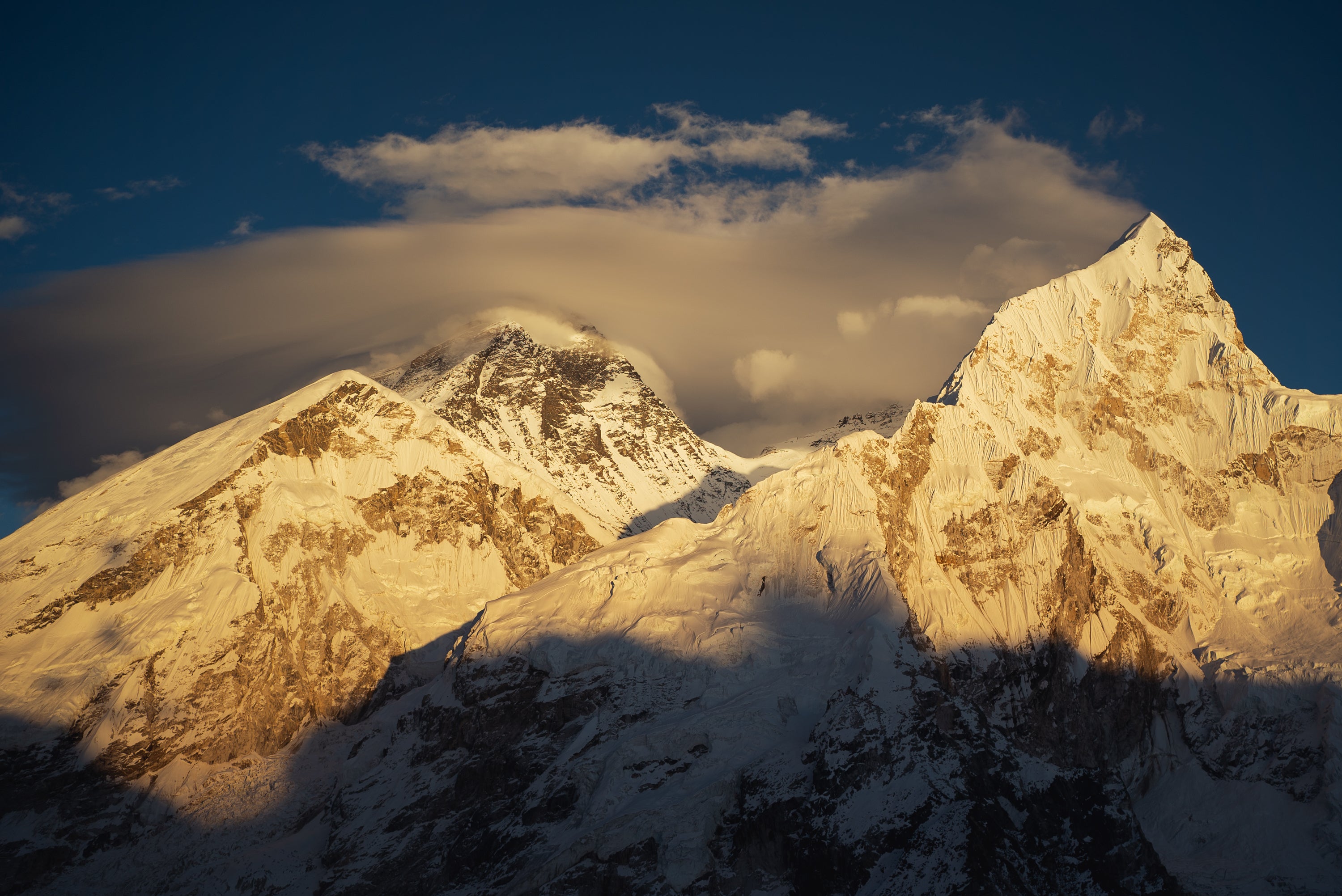 Mount Everest, centre with cloud bank, as seen from Kallapattar viewpoint (Getty Images)
Getty Images
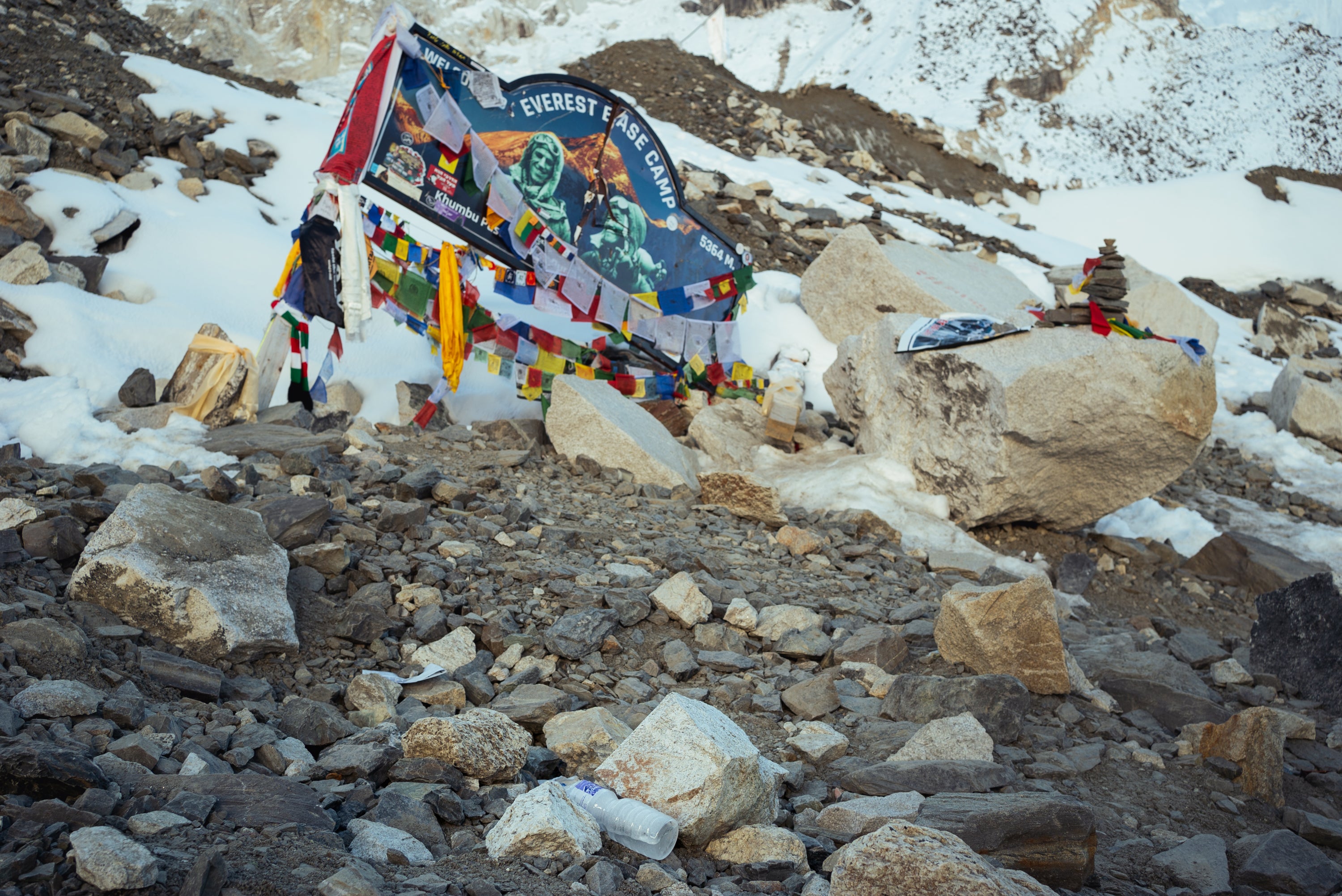 A plastic water bottle lies abandoned next to the 'Everest Base Camp' signage (Getty Images)
Getty Images
China's Qomolangma Station, a high-altitude research facility on Everest's northern slope in Tibet, measured 64 microplastic particles settling on every square metre each day. Everest Base Camp, where the climbers actually are, measured 23. The figures come from months of monitoring by Chinese researchers and appear in the journal Communications Earth & Environment.
The numbers overturn an earlier account. A 2020 study by Imogen Napper and Richard Thompson found plastic fibres in snow and stream water around Everest's camps and assigned responsibility to the synthetic clothing of the climbing industry. The new monitoring ran through seasons when the mountain holds almost nobody — and recorded the higher readings at the empty station. Finer nanoplastics, including polyethene, polyethene terephthalate, polyvinyl chloride and polypropylene, turned up at greater concentrations at Qomolangma Station than at Base Camp, and the larger particles there were dominated by polyamide, PET and polyethene, the materials of synthetic textiles and packaging.
The delivery mechanism is ordinary weather. Plastic particles hang suspended in the atmosphere until water droplets and ice crystals capture them as clouds form, and monsoon rain and snow then scrub them onto the surface — a process the researchers call wet deposition, and one that measurably increased during monsoon periods. By the authors' estimate, more than 56 tonnes of microplastic may be accumulating every year on the Tibetan Plateau above 4,000 metres, the high Asian ice reserves scientists refer to as the Third Pole. Exposure has been linked to inflammation, DNA damage and hormone disruption in humans and other animals.
A pipe or a smokestack has an owner who can be regulated, fined or sued. The plastic arriving on Everest has none: it was emitted somewhere far below by thousands of unconnected sources, and the atmosphere handles distribution. The fibres Napper found in the camp snow were not chiefly a souvenir of the jackets around them; they were the local edge of a fallout that continues when the mountain is empty.
The station that almost no one visits collects nearly three times the plastic of the camp where everyone does.