
AI doorbell cameras begin polar-bear watch in Churchill
Polar Bears International trials Bear-vision at waste site where a 2024 fire drew bears to the rubbish, melting sea ice now strands bears on land a month longer than their grandparents
Images
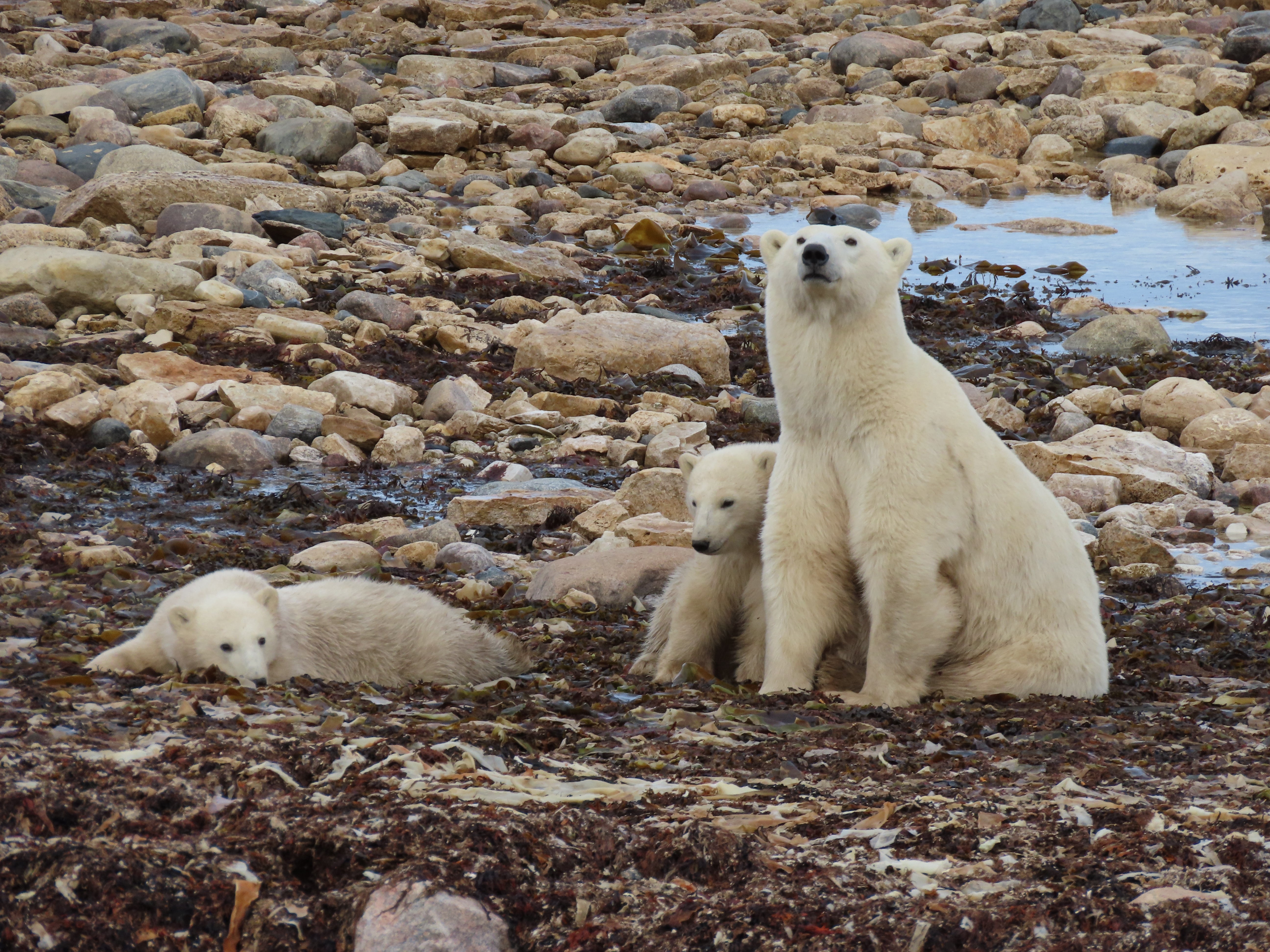 Polar bears are gathering near a Canadian community to wait for the Hudson Bay to freeze over so that they can hunt seals – as thousands of tourists arrive to see them (PA)
independent.co.uk
The first Bear-vision unit is being installed at the waste site in Churchill, Manitoba — an artificial-intelligence camera system built on the same technology as household doorbell cameras, designed to alert homes and businesses when a polar bear approaches. Churchill sits on Hudson Bay, where polar bears gather each year to wait for the ice that lets them hunt seals; thousands of tourists come to watch them, and Polar Bears International's annual Polar Bear Week begins on Sunday to mark the gathering.
Bear-vision was created by the conservation charity Polar Bears International and evolved from its earlier "Bear-dar" systems, which paired radar with video to track movement across the Arctic landscape. The charity describes the new tool as a cost-effective warning system for residential and commercial properties. Its first target is the town waste site, where a fire in 2024 left bears pawing through rubbish for food — raising fears of hungry animals ingesting toxic waste, and of food smells drawing them back toward people. Electric fences and Bear-dar units now guard the facility, and a group of Churchill experts recently toured a similar waste management site in Greenland.
The cameras are one strand of a wider programme. Polar Bears International and Brigham Young University are working with Churchill's Polar Bear Alert Programme to test drones as an affordable, non-lethal way of moving bears away from settlements, alongside ultrasonic sound, conductive materials and a new odour-based bear spray. Executive director Krista Wright praised the Churchill community's decades of cooperation on co-existence, "ensuring that conservation benefits not just wildlife but the community too," and noted that co-existence "is becoming part of everyday life in more places."
All of this is scaling up for a reason: each autumn the town, its waste site and its tourists share a shoreline with animals that cannot hunt until the bay freezes, and the wait keeps lengthening.
Polar Bears International calculates that melting sea ice now leaves the bears waiting on land roughly one month longer than their grandparents did.