
Alphabet and Microsoft post record AI revenues as capex doubles
Hyperscalers sell the shovels while customers await the gold, Apollo analysis already finds no productivity payoff outside tech
Images
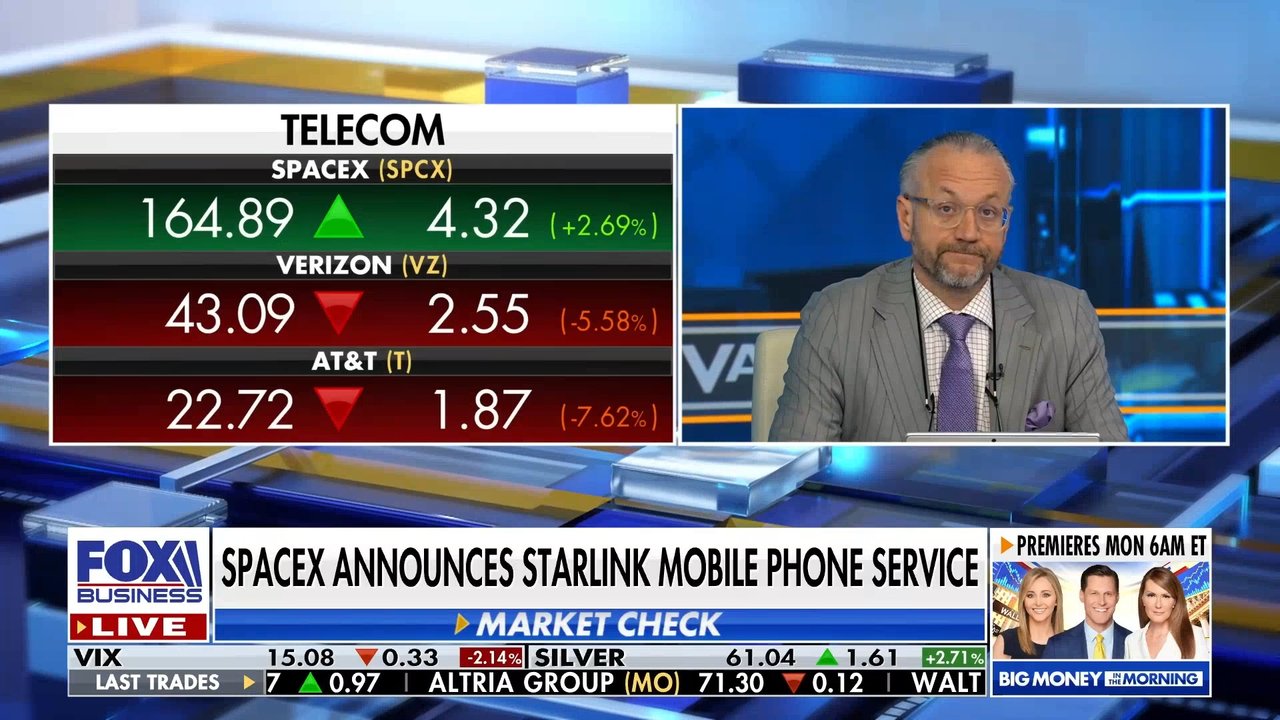 David Bahnsen discusses reports that OpenAI's annualized revenue fell short of expectations. Bahnsen warns of systemic risks to the artificial intelligence ecosystem due to massive capital commitments and negative free cash flow.
foxbusiness.com
 Google headquarters in the state of California
foxbusiness.com
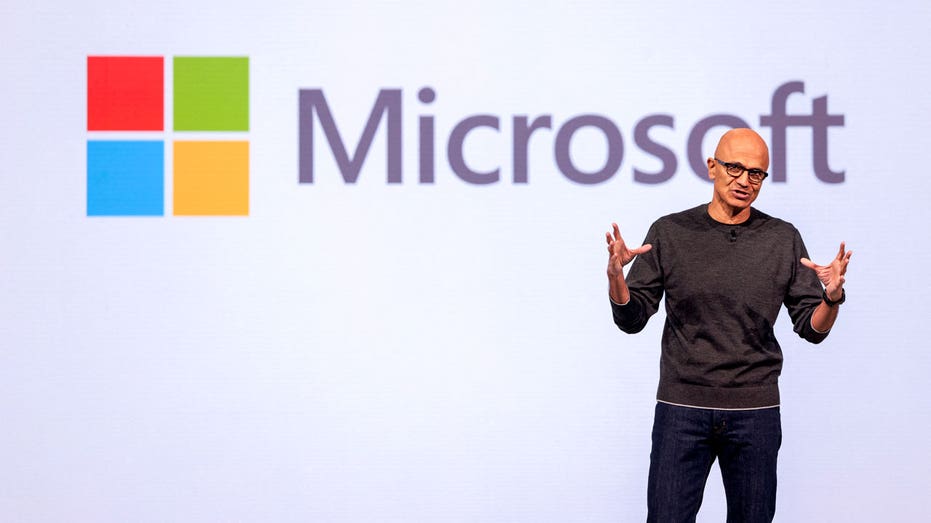 Microsoft CEO Satya Nadella speaking.
foxbusiness.com
Alphabet and Microsoft reported quarterly results on Wednesday that read, depending on the reader, as either proof of an AI boom or as an invoice for one. Alphabet's revenue rose 25 percent to $127.6 billion, with Google Cloud revenue more than doubling to $30.7 billion. Microsoft's revenue climbed 19 percent to $92.3 billion, and Azure grew 48 percent. Both companies attributed the growth to the same source: artificial intelligence.
The cost side is climbing faster than the revenue side. Alphabet spent roughly $51.4 billion on capital expenditures in the quarter, more than double the amount a year earlier, and projects between $195 billion and $205 billion for the full year — with a significant increase expected in 2027. Alphabet Chief Financial Officer Anat Ashkenazi warned that Google Cloud could face near-term margin pressure as the company leans on third-party computing capacity to keep up with demand. "We are working hard to bring more capacity online to meet this long-term demand," chief executive Sundar Pichai told investors. Microsoft's contracted future revenue not yet recognized — its commercial remaining performance obligation — climbed 73 percent to $677 billion.
The hyperscalers, in other words, are the ones making money in the gold rush, and they are making it by selling the shovels. Their customers are buying: the demand is real, contracted, and rising. What is not yet visible is the return on the other side of the transaction. Analysis by Apollo Global Management, reported last week, found that outside the technology sector itself, corporate profit margins and revenue per employee have been essentially unchanged — mass data-centre investment with no measurable productivity payoff so far.
The spending is being financed by someone. Microsoft offered voluntary buyouts to 60,000 employees as it reshapes its workforce around the same infrastructure it is buying, and investor David Bahnsen has warned of systemic risk building from negative free cash flow across the AI ecosystem, with reports that even OpenAI's annualized revenue has fallen short of expectations. The bills for capacity land on hyperscaler shareholders today. Whether the productivity gains land on anyone's income statement at all remains the open question — and the gap between those two facts is being carried, for now, by index funds that bought the whole market without asking which part of it was doing the borrowing.