
xAI buys up Mississippi neighbourhood to blunt noise lawsuit
Realtor cites 418-home target with offers conditional on not suing, neighbours call the suburb Elonville
Images
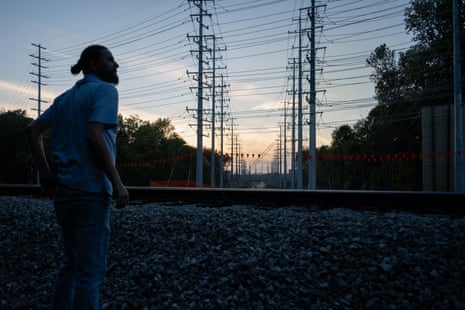 Jason Haley looks on near one of the xAI datacenters close to his home in Southaven, Mississippi, on 25 October 2026. Photograph: Brandon Dill/The Guardian
theguardian.com
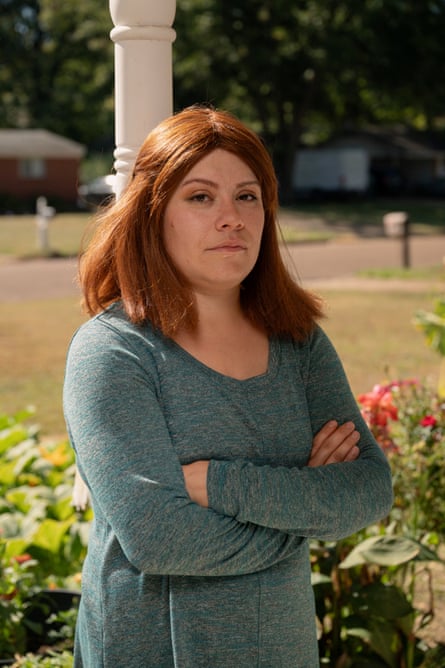 Elizabeth Rose at her home in Southaven, Mississippi, on 25 October 2026. Photograph: Brandon Dill/The Guardian
theguardian.com
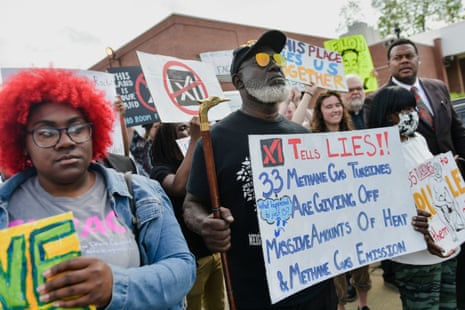 Demonstrators rally in opposition to a plan by xAI to use gas turbines for a new datacenter, in Memphis, Tennessee, on 25 April 2025. Photograph: The Washington Post/Getty Images
theguardian.com
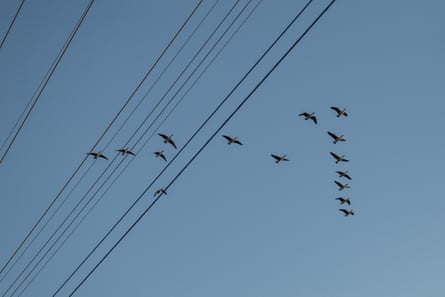 Geese fly near one of the xAI datacenters in Southland, Mississippi, on 25 October 2026. Photograph: Brandon Dill/The Guardian
theguardian.com
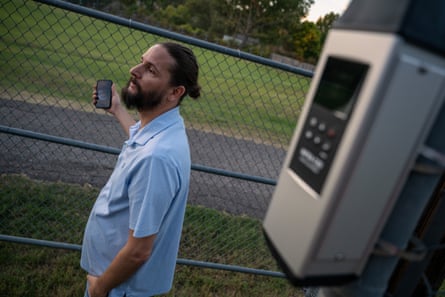 Jason Haley stands beside a noise-monitoring device near one xAI’s datacenters in Southaven, Mississippi, on 25 October 2026. Photograph: Brandon Dill/The Guardian
theguardian.com
Estate agents have been going door to door in Southaven, Mississippi, on behalf of xAI, Elon Musk's AI company, offering to buy houses. The offers carry a condition: sellers agree not to join the lawsuit over noise from the gas turbines that power the company's datacenters.
A realtor told one resident there is a target list of 418 homes in Colonial Hills, with 18 owners having already agreed to sell, according to a recording of the conversation heard by the Guardian. The buyout could swallow almost the entire neighbourhood on Southaven's western flank. xAI did not respond to questions about the numbers; the company has previously said it intends to be a good neighbour and denies all claims in the lawsuit. The purchased homes, according to the realtor and the local mayor, will house xAI staff as the company expands.
The noise began in August 2025, when a power plant on a former Duke Energy site — 69 temporary gas turbines installed without permits — started feeding three vast datacenters xAI has built in Southaven and adjoining Memphis since July 2024. Elizabeth Rose, a piano teacher who lives about two miles away, describes a continuous airplane engine and says she has been woken at 2am and 3am by it. "Elon Musk's little playground, basically," she calls the project. "Elonville."
The arithmetic behind the door-knocking is simple. The average house in the area sells for about $180,000. A court award for a noise nuisance is uncertain and slow; a cheque at market price arrives quickly and comes with a signature that keeps another name off the suit. A resident who sells escapes the turbines, while a resident who stays keeps the noise and gains a corporate landlord for much of the street. The turbines went in without permits, and the sound has carried two miles since they fired up. Buying the neighbours, house by house, thins the lawsuit one signature at a time.
The build-out explains the urgency. Musk wants the world's largest cluster of AI supercomputers, is spending up to four nights a week in an Airstream trailer in the Memphis area to personally oversee construction, and told a SpaceX earnings call this month: "We're seeing the fastest growth I've ever seen in my life for Grok bot. I've never seen anything grow this fast." xAI was folded into the SpaceX entity in February. Eighteen homeowners have already signed.