
BASF lifts profit forecast on war-driven price hikes
Chemicals giant now expects core profit up to 7.8 billion euros after 30 percent surcharges, Europe's biggest industrial firm thrives on the scarcity draining its customers
Images
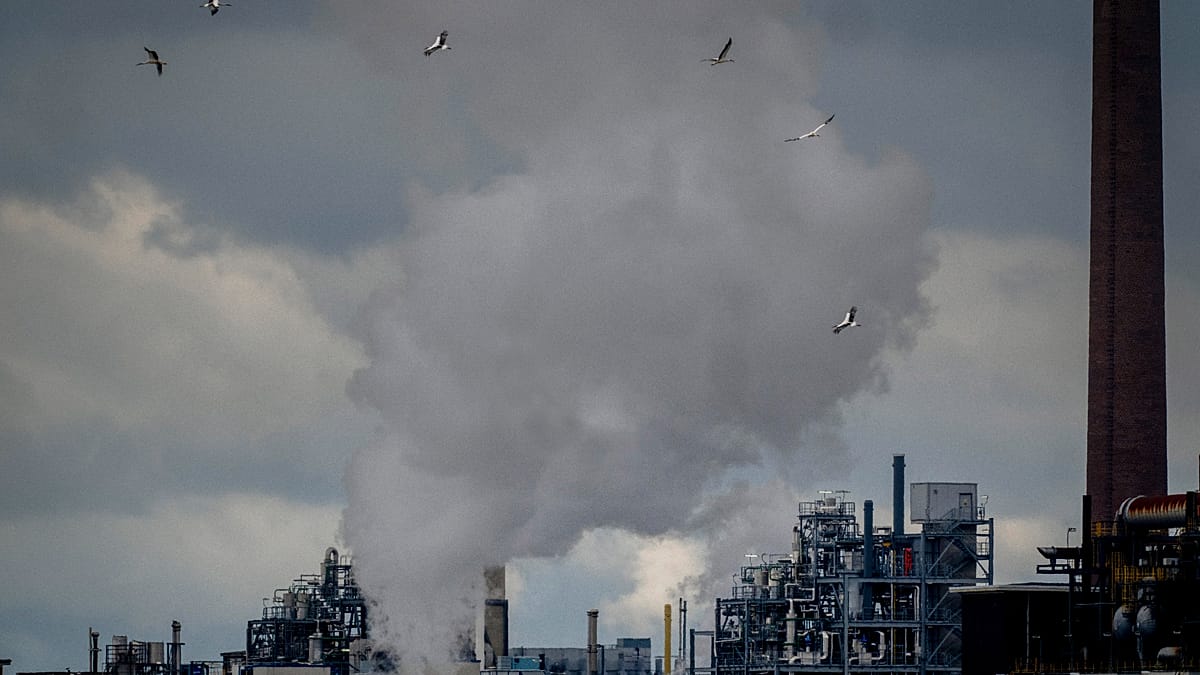 Chemicals giant BASF raises profit guidance after Iran war price hikes
euronews.com
BASF raised its full-year profit forecast for the second time this year on Wednesday, and the reason is the Iran war. The German chemicals giant now expects core profit of €7.4 billion to €7.8 billion, up from a previous range of €6.9 billion to €7.7 billion.
The company had already hiked prices on some products by as much as 30 percent in March, responding to surging energy and raw material costs after the outbreak of the US-Israeli war against Iran. Third-quarter core profit rose 15 percent year on year to €1.6 billion, with sales up 14 percent at €16.4 billion. The company attributes the increase mainly to considerably higher prices, up 12 percent, while volumes added just 2 percent.
The arithmetic is simple: BASF buys energy, turns it into chemicals, and sells under contracts that let it pass cost increases downstream. European households buy gas and electricity without that option. As the war pushes European gas prices to their highest levels since December 2022 and storage sits at record lows for the season, the same scarcity that empties consumer wallets fattens the margins of any incumbent with pricing power over essential inputs.
Meanwhile the rest of the European chemicals industry, without BASF's scale or contract book, is being squeezed between high energy costs and intensifying Asian competition. BASF's own answer to that squeeze is not European. It is cutting thousands of jobs at its historic Ludwigshafen headquarters, opened a major chemical complex in China earlier this year to serve Asian markets, and is exploring a multibillion-euro acquisition of German rival Evonik — partly, it says, because the combination would secure feedstocks and precursor chemicals at lower cost.
So the continent's largest industrial chemical company prospers from a war it did not start, pays for the privilege through prices it passes on, and invests the proceeds in Asia. Its raised guidance lands on the same day European gas trades near triple its January level.