
Protest and grief photographs take top prizes at Hungarian press photo exhibition, 44th edition opens at Budapest's Robert Capa Center
As AI makes authentic images scarce, retouched entries disqualified on sight
Images
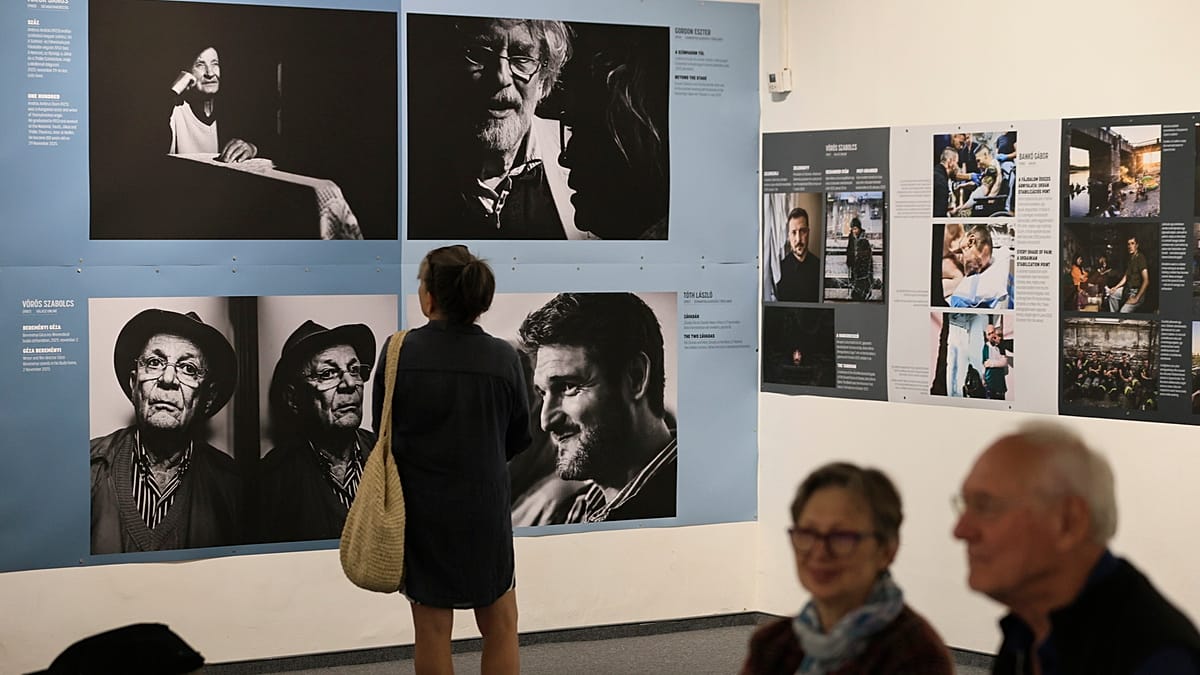 Change is upon us: Life altering moments at Hungarian Press Photo expo
euronews.com
A photograph of grief and a photograph of protest have taken the top prizes at the 2025 Hungarian Press Photo exhibition, the 44th edition of the competition, which opened at the Robert Capa Contemporary Photography Center in Budapest. More than 6,200 works were submitted by 258 photographers, and the exhibition presents the top three entries and special prize winners across sixteen categories.
The MÚOSZ Grand Prize went to freelance photographer Diana Nemeh for her series 'Nimród'. The André Kertész Grand Prize went to Telex photographer Noémi Napsugár Melegh, who has documented almost every major protest in Hungary in recent years — and whose most acclaimed work documents her own family: after losing her eighteen-year-old younger brother, she spent years photographing her grieving parents and his classmates.
Managing director Orsolya Kőrösi said the role of photojournalists is becoming increasingly important, and that in the age of artificial intelligence the presentation of authentic photojournalistic work carries particular value. The rules are strict on that point: András Bánkuti, chair of the Hungarian Press Association's photojournalists section, confirmed that pictures cannot be retouched — even if a politician has a spot — because retouching counts as interference and triggers immediate disqualification.
The edition's themes — political upheaval, personal stories shaped by tragedy, and the social revolution sparked by new technology — describe a country where the press itself has been the political story for over a decade. State media have been remade into loyalist outlets while independent outlets survive in the gaps the state has not yet filled. The prize-winning protest photography exists because Telex exists; the grief photography exists because grief is one of the few subjects that requires no publisher's permission.
The exhibition runs until 8 November at the Robert Capa Center, named for the Hungarian-born war photographer who left for Berlin in 1931 rather than accept what Budapest had become.