
Extreme heat drove record 710,000 deaths in 2023
Lancet Countdown finds, researchers attribute over 70 per cent to man-made warming and demand global health emergency declaration, heat fatalities rose almost 36 per cent in the decade after the Paris Agreement
Images
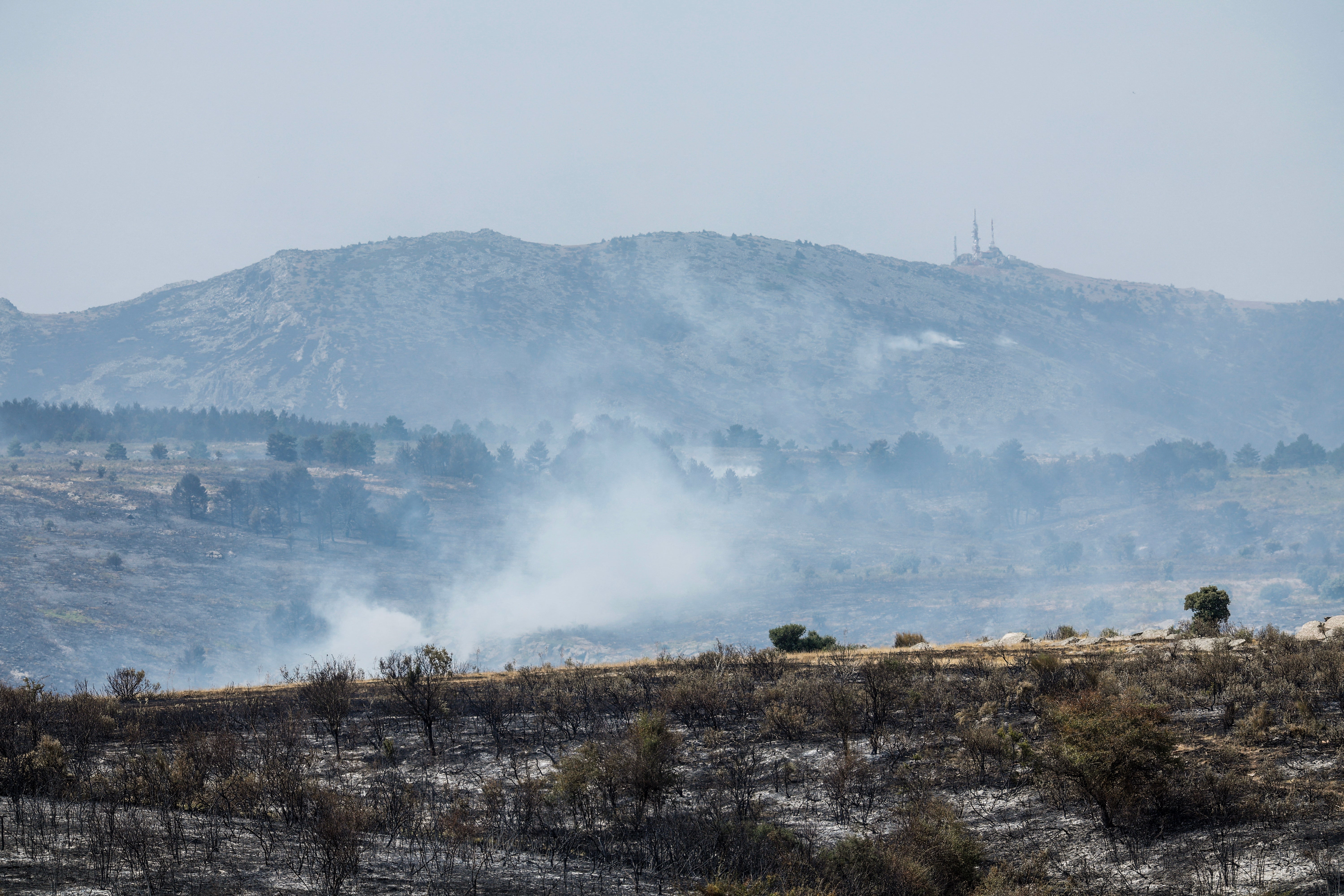 There were wildfires across Europe this summer amid extreme weather (AFP/Getty)
AFP/Getty
Extreme heat contributed to a record 710,000 deaths in 2023, and researchers attribute more than 70 per cent of them directly to man-made warming. The figures come from the latest Lancet Countdown on Health and Climate Change, published on Wednesday ahead of next month's UN Cop31 climate conference, and its authors are now demanding that climate change be formally recognised as a global health emergency. The report, led by University College London alongside the World Health Organisation and drawing on more than 140 experts from over 30 countries, tracks 54 indicators spanning heat, air pollution, disease transmission, energy and economic damage. Its central finding is uncomfortable for everyone involved: health risks from warming escalated faster in the decade after the 2015 Paris Agreement than in the decade before it. Annual heat-related fatalities rose by almost 36 per cent in the post-Paris years. Severe drought affected nearly 52 per cent of global land for at least one month in 2025, the second-highest level on record, and fresh satellite analyses show that 80 per cent of Earth's land has experienced major shifts in wet and dry groundwater storage since 2003. What the declaration campaign actually adds is a question the report answers only implicitly. The data on mortality is already collected, published and public; national health services already treat heatstroke and respiratory illness without waiting for an emergency label. What a global health emergency designation does is concentrate authority — it moves decisions about funding, research priorities and regulation into the hands of the bodies that issue the designation. The report's own numbers show where that authority would sit: the 100 top oil and gas producers are set to exceed production limits compatible with 1.5C by 150 per cent by 2040, up from 138 per cent in last year's assessment. Fossil fuels still supply over 80 per cent of world energy. There is genuine progress in the record, and it is worth reading carefully. Clean energy funding hit a new high in 2025, nearly double fossil fuel investment. Reduced air pollution prevented roughly 323,000 deaths a year across 77 nations where fossil emissions fell after 2016. "Real progress has been made in clean energy, health system readiness, and health-protective regulation, all of which are already delivering health benefits to local communities," said Professor Marina Romanello, the Countdown's executive director. "However, progress has been too slow, too small, and isn't reaching those who need it most." Romanello's own framing cuts both ways. "This isn't a gradual worsening; it's a step change that must be recognised as the global health emergency it is," she said — a statement that is simultaneously a description of the data and an argument for a new instrument of authority to match it. The report calls for human health to sit at the core of every climate decision, from emissions cuts to fund allocation. Meanwhile the 710,000 figure for 2023 remains the record, and the decade that produced it began with an agreement everyone involved described as historic.