
Israelis vote in most consequential election in the country's history
Turnout hits highest 10am level since 1981 with over 1.2 million ballots cast by mid-morning, coalition arithmetic on Gaza will outlast the exit polls
Images
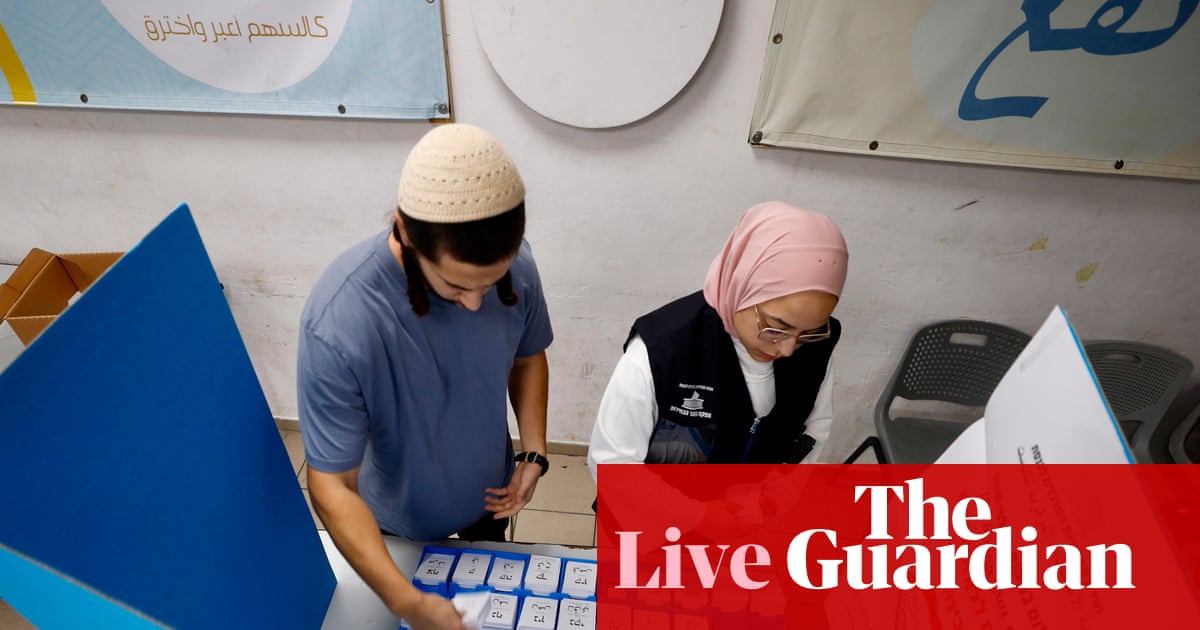 Israel goes to the polls in most consequential election in its history – live updates
theguardian.com
Israelis went to the polls on Tuesday in what is being described as the country's most consequential election, and they went early: turnout reached 16.68% by 10am local time, the highest figure recorded at that hour since 1981, according to Central Elections Committee data reported by Ynet. More than 1.2 million Israelis had voted by mid-morning, an increase of 0.78 percentage points on the same stage of the 2022 election.
Benjamin Netanyahu has framed the vote as a referendum on his own conduct of the war and his political survival, but the arithmetic that follows the count will matter more than the mood at any rally. The Gaza file, the state of the hostages, the trial calendar hanging over Netanyahu personally, and the shape of any coalition that can command 61 seats in the Knesset will all outlast whatever the exit polls say.
The most telling speculation comes from an unexpected quarter: former officials associated with the Palestinian leadership have floated the possibility of a Netanyahu–Eisenkot government, pairing the incumbent with a former chief of staff who built his reputation on military credibility rather than settlement politics. That such a combination is even discussed suggests the war's institutional momentum — the security establishment's preferences, the diplomatic wreckage in Gaza, the demands of Israel's foreign partners — constrains whoever wins more than any candidate cares to admit. Coalitions are built from what the war has left standing, not from manifestos.
The high turnout cuts both ways. It signals engagement, but Israeli elections have repeatedly produced results that took days of coalition negotiation to interpret, and the fifth election in under a decade has trained voters to treat the vote as the opening move rather than the endgame. What each potential bloc demands on Gaza — continuation, ceasefire, or something marketed as victory — will determine which partnerships are arithmetically possible.
The turnout record at 10am dates from 1981, an election held under an existing national unity government. The comparison is available to anyone who wants it.