
European gas prices triple in 2026
TTF benchmark nears 100 euros per megawatt hour with storage at record seasonal low, continent that cut Russian gas to escape one war now waits on another
Images
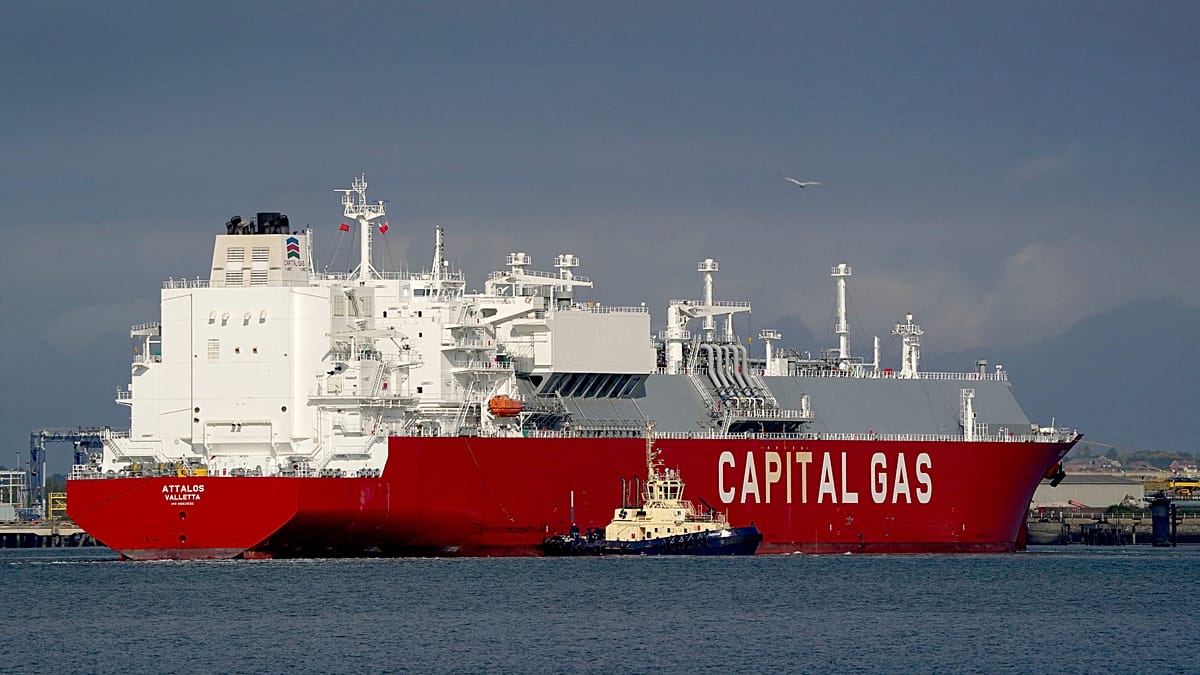 European natural gas prices soar: What it means for your winter bills
euronews.com
Europe's benchmark gas price has tripled since the start of the year. The Dutch TTF contract traded near €96 per megawatt hour this week, briefly touching €97.64 — its highest level since December 2022 and a rise of about 234 percent from the roughly €28 it cost in January, though still far below the €340-plus peak of August 2022.
Storage explains the nerves. EU facilities were 74.6 percent full on 24 October, against 82.9 percent a year earlier and 98.5 percent in 2023 — the lowest for this time of year since records began in 2011, according to the Institute for Energy Economics and Financial Analysis. Reserves stopped growing altogether in the week to 24 October. Austria's stocks have slipped from 69.3 percent in mid-October to 67.2 percent, against 84 percent a year earlier, and some countries have begun drawing on winter supplies before November.
The trigger is a war Europe did not start. The conflict with Iran and the closure of the Strait of Hormuz have cut the continent off from Qatari liquefied natural gas, which supplied roughly 8 percent of EU LNG imports last year; according to the Brussels-based think tank Bruegel, no Middle Eastern LNG has arrived since May. Every missing cargo must now be replaced by one that Asian buyers are also bidding for. Wood Mackenzie expects European storage to finish March only 17 to 20 percent full, on assumptions that the war ends this year and the winter is normal. A cold winter is not the consensus, but if it arrives, Europe will be outbidding Asia for whatever cargoes are left.
The rest is a decision made in Brussels. Russian LNG still supplied about a fifth of EU LNG imports in the second quarter, and it is banned outright from January 2027. IEEFA calculates that the ban, combined with the lost Middle Eastern volumes, leaves the EU needing to use about 7 percent less gas than last winter simply to reach the end of March. Ana Maria Jaller-Makarewicz, the institute's lead energy analyst for Europe, names the one lever left in Europe's control: demand reduction.
After 2022, the declared aim was to end winter dependence on a country at war. The Russian LNG ban takes effect in January, in the middle of the heating season.