
Alberta votes 75 percent to stay in Canada
Separation ballot dies while immigration side-questions pass, premier nobody believes now faces leadership review
Images
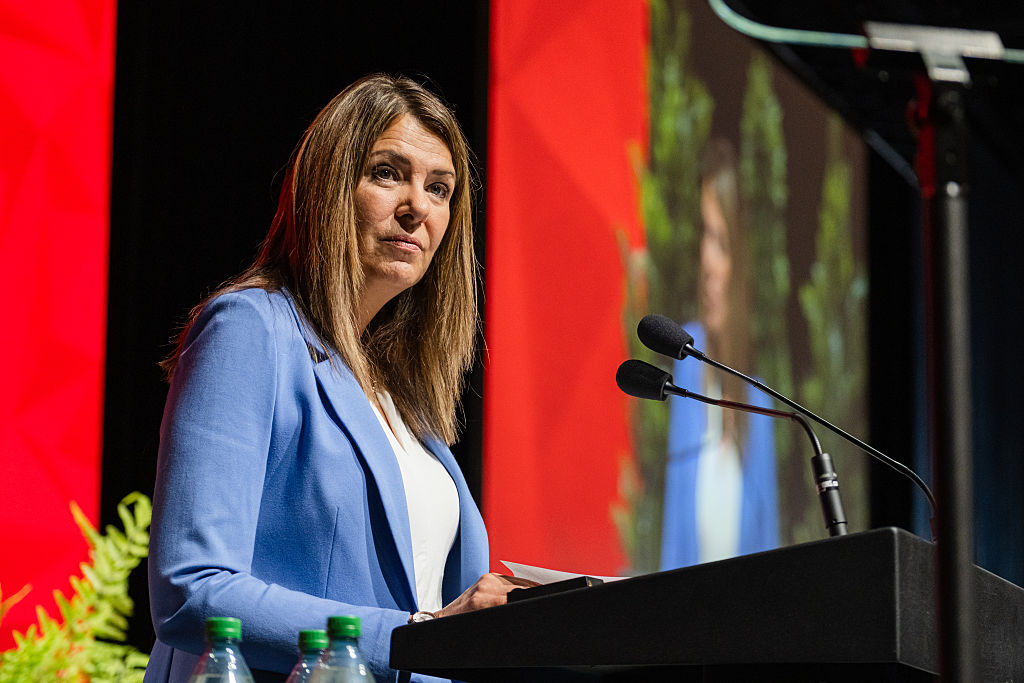 Alberta’s Separation Ballot Ended With a Whimper
jacobin.com
Albertans voted 75.05 percent to stay in Canada, rejecting the start of a legal process toward a binding separation referendum and ending Premier Danielle Smith's flirtation with provincial exit on a night that read more like a shrug than a revolt. The ballot, which also carried nine additional questions on immigration, voter ID and constitutional reform, delivered majorities for the anti-Ottawa side on the secondary items — but not on the one that mattered.
Four immigration-related questions passed with between 52 and 54 percent support, and a proposal to require proof of citizenship to vote cleared roughly 58 percent. The pattern is consistent: grievance travels well as a survey answer, poorly as a constitutional project. Calgary, traditionally more conservative than Edmonton, voted 85 to 15 to remain.
Smith says she voted to keep Alberta in Canada, but a majority of Albertans do not believe her. An Abacus poll conducted in February, months before the referendum, found 53 percent of respondents thought she would vote to separate; a June Ipsos poll found about 40 percent of her United Conservative Party's own voter base backed separation while 50 percent preferred to remain. The party's problems are now arithmetic rather than ideological: it lost the Calgary-Shaw by-election to the New Democrats, some constituency associations are pushing a leadership review at November's general meeting, and a Mainstreet poll published just before the referendum had the UCP and NDP tied in voting intention.
The federal backdrop explains some of the noise. Canada is aging, labour force participation is declining, the country had lost about 41,000 jobs by September with losses concentrated among young workers, and support for immigration has fallen sharply since the pandemic. Ottawa is simultaneously trying to reorient the economy away from the United States — a project Alberta's oil sector, the source of the equalization transfers the rest of the federation depends on, would bear the heaviest costs of.
Que looms as the mirror. The Parti Québécois won the recent Quebec election and is promising a third sovereignty referendum once Donald Trump leaves office, though referendum support in Quebec polls has been declining. No federal government has touched constitutional questions since voters rejected the Charlottetown Accord in 1992.
The Alberta result suggests why. A province that pays the federation's bills looked at the invoice for independence — and voted to keep the receipt.