
More than 7500 US restaurant locations closed in first six months of 2026
Thin margins break as costs climb and customers stay home, Seattle-area food bank reports demand up 55 percent while donations grew 6
Images
 Australia's under-16 social media ban
cbsnews.com
 Trump, Tina Peters and funds for Colorado
cbsnews.com
 Inside Trump's third-country deportations
cbsnews.com
 60 Minutes Archive: Facebook Whistleblower
cbsnews.com
 Tillis on Starlink slowdown in Ukraine
cbsnews.com
 Bremerton Foodline facing severe shortages as demand surges by 55%
fox13seattle.com
More than 7,500 restaurant locations have closed across the United States in the first six months of 2026, CBS News reports, as rising input costs and declining sales push operators out of a business that was never built for a sustained pullback in consumer spending.
The closures are the visible edge of a quieter squeeze. Restaurants run on margins of a few percent; when food, labor and energy costs rise together while covers fall, there is no reserve to draw on. Operators who kept prices flat through the inflation cycle are now choosing between passing costs on to customers who have stopped showing up, and shutting the doors.
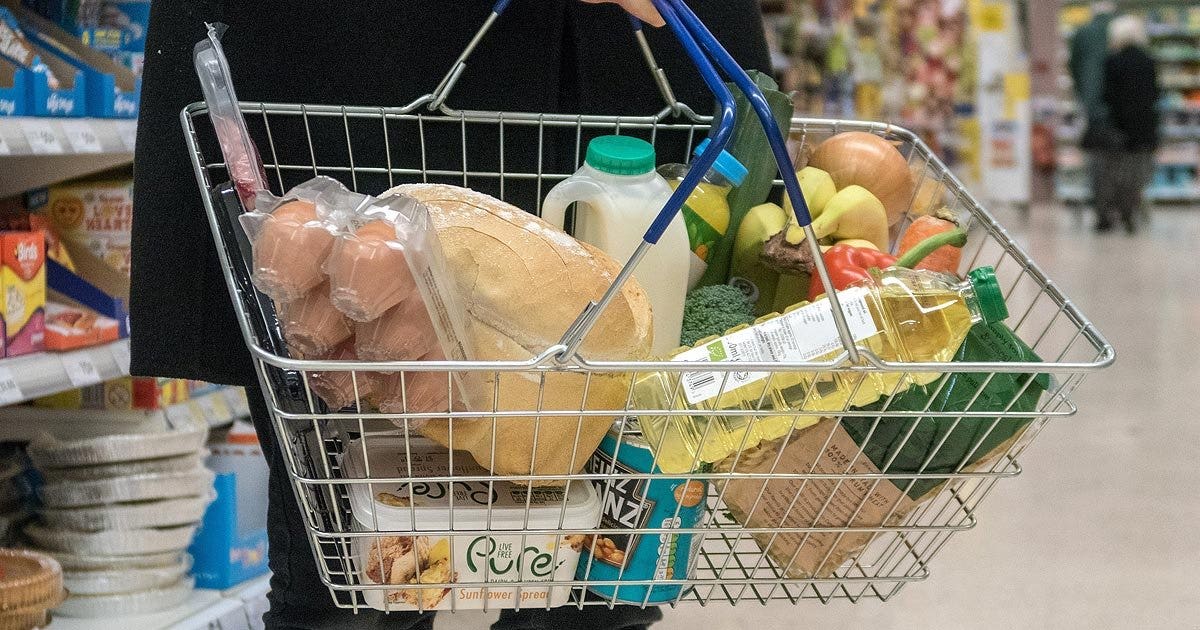
The demand side of that equation is showing up three thousand miles from the dining rooms. Bremerton Foodline, a food bank west of Seattle, reports demand for its services up 55 percent over the past year — while food contributions grew by only 6 percent, according to Executive Director Cori Kauk. The pantry now serves between 200 and 225 families every day it is open, and shelves marked with green signs indicate items completely out of stock.
The timing is not mysterious. The surge began after the federal government shutdown and disruptions to SNAP benefits last year; during the shutdown month alone the facility registered 1,300 federal employees as clients. Client numbers have stayed elevated since. High food and fuel costs have also forced the pantry to buy items — dairy, canned goods, condiments — that it previously received as donations, meaning the same inflation that empties restaurants now drains the charities that catch the households those restaurants used to feed.
The pattern is a precise inversion of the stock-market narrative. Asset prices have recovered; the household budget underneath them has not. Families that were restaurant customers two years ago are now standing in food lines, and the small businesses that employed a large share of them are liquidating.
Bremerton Foodline's problem is not that Americans stopped giving — donations did grow. It is that need grew nine times faster.