
Vučić concedes defeat in Serbian election, student movement ends 14 years of Progressive Party rule after record turnout
Protests that began with a collapsed canopy at Novi Sad reached the ballot box
Images
 Serbia’s leader, Aleksandar Vučić, who has conceded defeat in fiercely contested parliamentary elections prompted by student-led protests earlier this year, Photograph: Zorana Jevtić/Reuters
theguardian.com
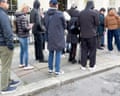 Serbian voters around the world queue to cast ballots in snap parliamentary election
theguardian.com
Aleksandar Vučić conceded defeat in Serbia's parliamentary election on Sunday, telling supporters at his party's headquarters in Belgrade that "it is clear that we lost these elections" based on a stratified sample of the vote. The concession caps 14 years of rule by his Serbian Progressive Party and hands the initiative to a grassroots student movement that entered the contest with a slate of 250 candidates for the 250-seat parliament — academics, athletes and farmers assembled after protests that began with a collapsed canopy.
The election traces back to November 2024, when a concrete canopy at the Novi Sad railway station came down on 16 people. Students who took to the streets over evidence of slipshod construction, fraud and corruption snowballed into a broad anti-government movement, and Vučić resigned the presidency last month to force the snap vote. An estimated 150,000 people attended the students' final rally in Belgrade the week before polling day.
Turnout was the story of the day. By 7pm local time, pollsters and monitors CeSID and Ipsos put it at 67.6 percent — the highest since the breakup of Yugoslavia in 1992. Lines formed outside polling stations, with some voters reporting waits of up to two hours. Opinion polls in the run-up had varied widely, and analysts had warned of a close race and a risk of post-election clashes.
Vučić's party had spent the campaign holding nearly every broadcast channel, with ministries and state institutions wielded as political instruments. He repeatedly accused the students of being stooges of foreign powers; the students dismissed the charge and asked voters instead to back a rebuild of Serbia's economy and its democracy. Serbia remains an EU-candidate country, and the result will be watched in Brussels as much as in Belgrade.
The students now face the harder task: converting a protest into a government, in a state whose institutions spent 14 years learning to answer to one man.