
Britain hires ClearSpace to grab dead satellites with robotic claws
$81 million craft launches from Shetland in 2029 to remove two defunct UK satellites by 2032, whoever left them in orbit pays nothing for the cleanup
Images
 Pentagon confirms US weapons deployed in space in major revelation
foxnews.com
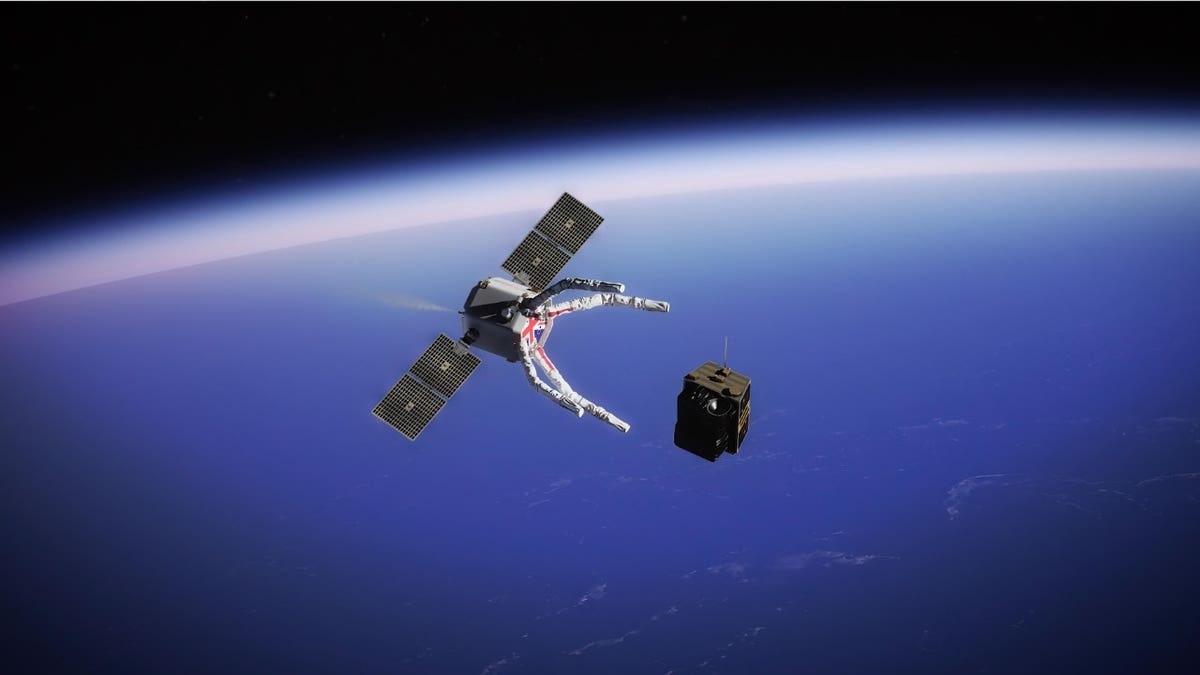 A claw grabbing a satellite
foxnews.com
 A photo of Earth with dots
foxnews.com
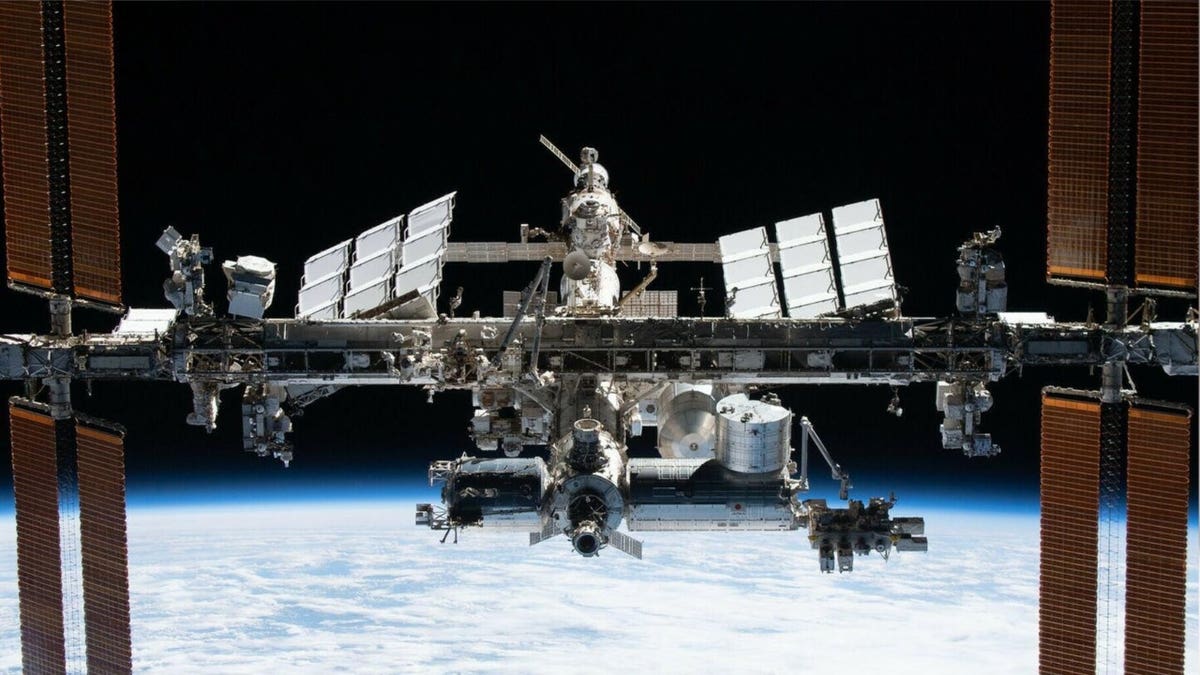 A shot of the International Space Station
foxnews.com
The UK Space Agency has hired the aerospace company ClearSpace UK to build a robotic spacecraft fitted with giant claws for capturing dead satellites, a development contract worth roughly $81 million. The craft is targeted for launch in 2029 from SaxaVord Spaceport in the Shetland Islands, with a mandate to remove two defunct UK-registered satellites from low Earth orbit by 2032.
Thousands of pieces of debris — dead satellites, leftover rocket parts, fragments from past collisions — circle Earth at roughly 17,000 mph, and any of them can end a working spacecraft on contact. The mission, part of Britain's Active Debris Removal programme known as UK ADR, is designed to prove that a single spacecraft can capture and dispose of several dead satellites rather than burning up after one job. Dead satellites often tumble, which makes the approach and the capture the difficult part; once the claw has secured its target, the spacecraft moves it into a lower orbit and releases it, and atmospheric drag pulls the satellite down until it burns up. The cleanup craft itself is built to be refuelled and kept in orbit for further work.
The customer for the cleanup, in this arrangement, is the state. The two satellites on the target list were left in orbit at no cost to whoever put them there, and the roughly $81 million for retrieving them comes from the agency. Under the rules that produced the debris field, leaving hardware in orbit costs nothing and retrieval is somebody else's procurement. The multi-capture, refuelable design is an attempt to push the cost per removal low enough that the work could be ordered routinely; what the contract does not establish is any arrangement under which the party that abandoned the hardware, rather than the ministry, is the one that pays.
The claws are scheduled to reach orbit in 2029. The satellites they will collect were abandoned there at no charge to anyone.