
Christina Applegate treated five years for MS she did not have
Study of UCLA and Cedars-Sinai clinics found one in five referred diagnoses wrong, no single test exists for a disease diagnosed on subjective criteria
Images
 Neurologist breaks down why MS is commonly mistaken for other conditions
foxnews.com
 Christina Applegate poses with her Hollywood Walk of Fame star in Hollywood.
foxnews.com
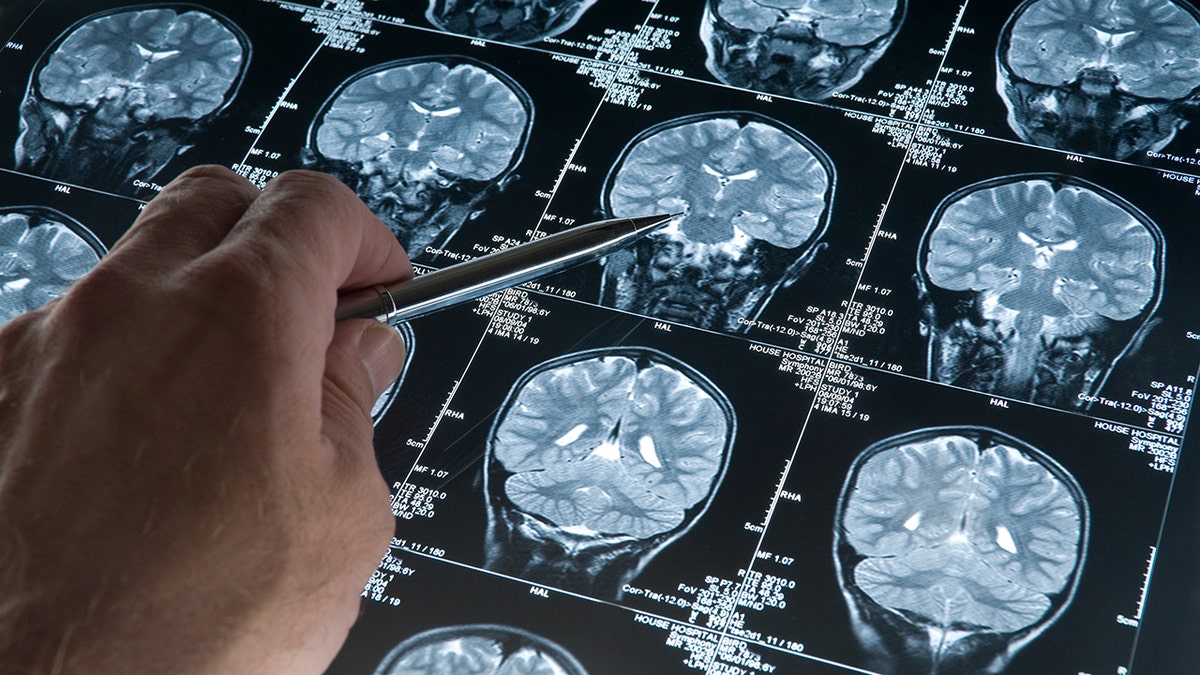 Brain scans
foxnews.com
 Woman at doctor
foxnews.com
 Christina Applegate attends the Critics Choice Awards in Los Angeles.
foxnews.com
Christina Applegate, 54, revealed on the October 20 episode of her podcast "MeSsy" that she spent five years being treated for multiple sclerosis — and does not have it. The actress was diagnosed in 2021 after brain and spinal MRIs and a spinal tap showed roughly 30 lesions on her brain. The label came off only when her bloodwork stopped behaving.
Her neurologist had halted the regular infusions to monitor her B cells. The counts neither rose nor fell, something the doctor told her she had never seen. The anomaly prompted fresh brain scans, which turned up a feature Applegate describes as a "string," and the doctor came into her room with the verdict: "Congratulations, you don't have MS." Applegate did not take it as good news. She reports having every symptom of the disease, says she has if anything gotten worse, and describes herself as back at square one.
Her case sits inside a documented pattern. Dr. Marwa Kaisey, associate professor of neurology at Cedars-Sinai in Los Angeles, studied patients referred to MS clinics at UCLA and Cedars-Sinai and found that nearly one in five who arrived with an MS diagnosis did not have the disease. A majority were on medication for it. Some had carried the label for decades.
The root problem is that no test confirms MS. "It's not like we have something like a pregnancy test that says, yes, you have it, no, you don't," Kaisey said. Diagnosis rests on "a list of criteria, some of which remain a little bit subjective." Most of the misdiagnosed patients did have white matter lesions on their MRIs — caused by something else. Newer imaging may sort the cases: the central vein sign looks for small blood vessels running through the center of a lesion, a feature associated with MS rather than its mimics.
What the criteria leave subjective, the treatment calendar makes permanent. A patient on infusions generates monitoring, prescriptions and follow-up appointments; a patient whose diagnosis is questioned generates a review nobody scheduled. In Applegate's case the system re-examined its own label only because her B cells refused to cooperate with it. Five years of therapy were aimed at a disease she did not have, while whatever she does have still has no name.