
Swiss groceries cost 89 percent more than the EU average
Numbeo index runs from Moldova at 57 to Switzerland at 189 with Sweden nearly 17 percent above the bloc, Romania keeps the EU's cheapest shelves while its households spend 23 percent of their budgets on food
Images
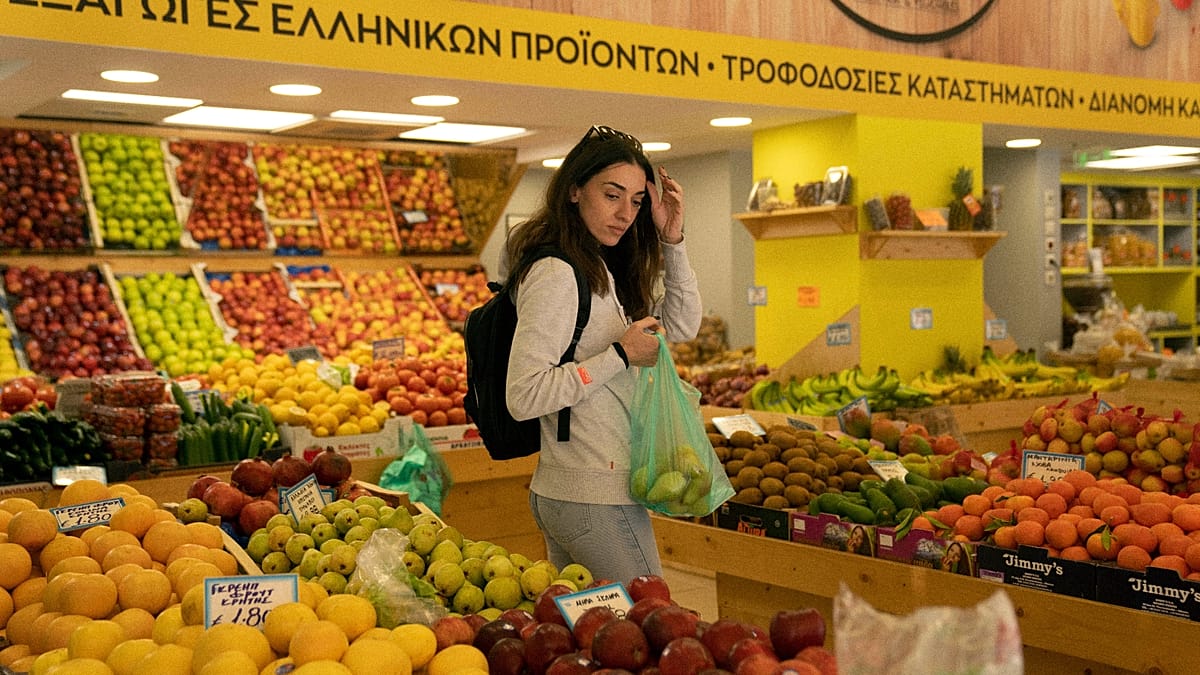 Grocery prices across Europe: Where is food most expensive and why?
euronews.com
A basket of 18 everyday grocery items costs €69.84 at average EU prices. The same basket runs to €137.90 in Switzerland and €41.10 in Moldova, according to Numbeo's mid-2026 grocery index, and bread can cost more than three times as much in one European country as in another.
On the index, with the EU average set at 100, Switzerland scores 189.2 — groceries there cost 89.2 percent more than the bloc average — while Moldova sits at 57.2. Three of Europe's five most expensive countries are Nordic: Iceland at 183.6, Norway at 154.4 and Denmark at 128.4, with Luxembourg between them at 134.9. Sweden lands at 116.6, just below Finland's 119.7 and marginally above the Netherlands at 116.4. Norway's basket costs €116.10, against €87.70 in Denmark and €87.40 in France.
Among Europe's five major economies, France is the dearest at 27.5 percent above the EU average, with the United Kingdom at 111.9, Germany at 111.6 and Italy at 110.2 clustered close together. Spain, at 89.7, is the only one below the average. Romania is the EU's cheapest member at 66.7, and Eastern European and Balkan countries fill the bottom of the table: North Macedonia at 59.8, Bosnia and Herzegovina at 67.9, Serbia at 68.8.
The cheap countries spend more of their incomes on their cheap food. Romanian households put 23.1 percent of their budgets into food and non-alcoholic drinks, and Bulgaria's share exceeds 20 percent, against an EU average of 13.6 percent. 'Lower prices do not necessarily mean greater affordability,' Jeremiás Máté Balogh of Corvinus University told Euronews Business, pointing to wages and purchasing power: groceries can be cheaper in absolute terms and harder to afford from after-tax earnings. Ilaria Benedetti of the University of Tuscia makes the same observation from the other direction.
Turkey shows the difference between a price level and a price change. Its grocery index of 82.1 sits below the EU average, yet it records Europe's highest food inflation. The rates that dominate the headlines measure how fast prices rise; the index measures how high they already are, and a rate cut changes the one, not the other. Housing and utility bills take a larger share of EU household spending, at 23.6 percent, but food is the bill that arrives every week.
Switzerland's €137.90 basket contains the same 18 items as Moldova's €41.10 one.