
Mexican prosecutor faces treason charge over secret CIA raid in Chihuahua
State official jailed after two American agents died returning from clandestine drug-lab operation, federal prosecutors cite Maduro precedent while seeking exemplary punishment
Images
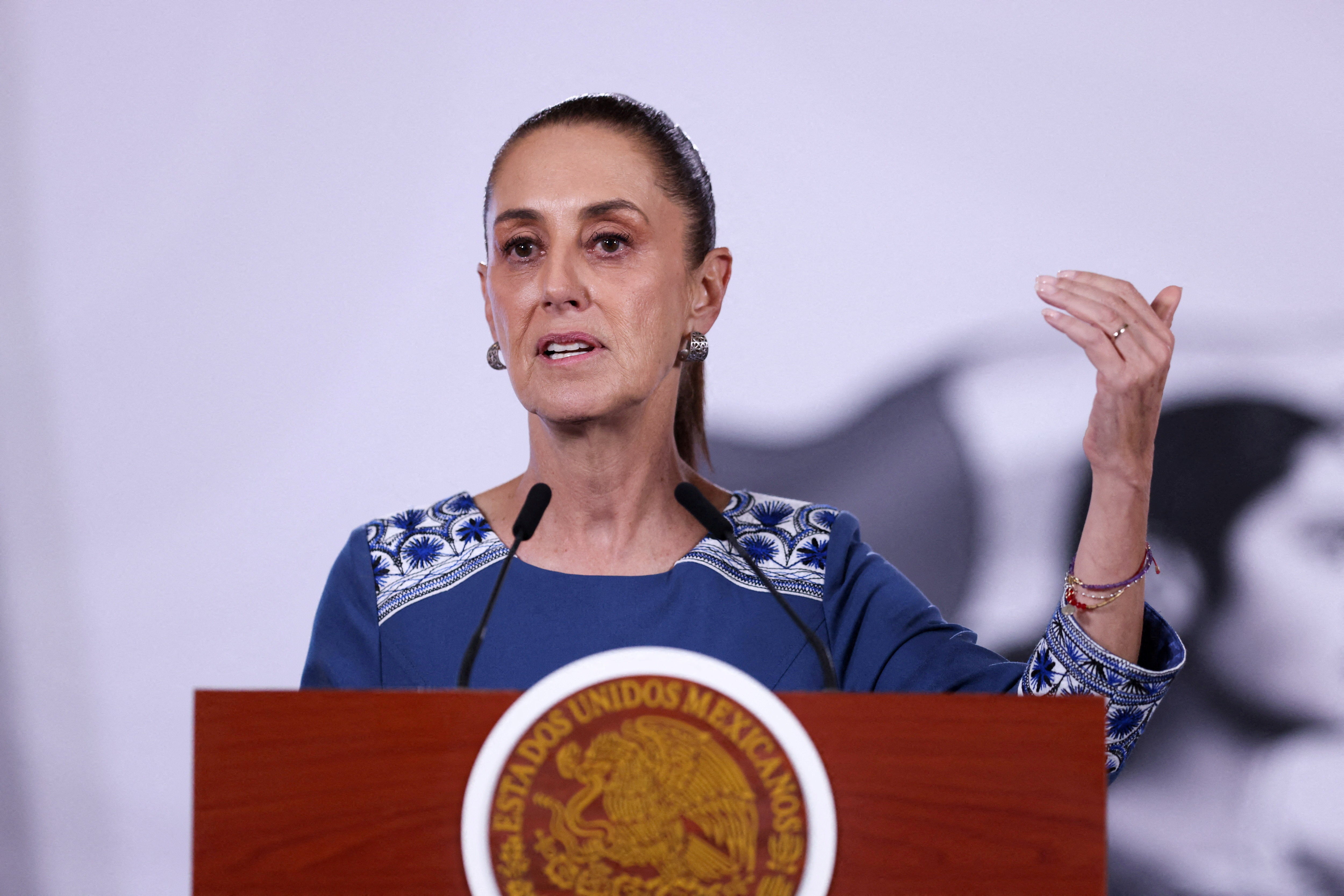 The fatal accident raised questions regarding the Trump administration’s activities inside Mexico and angered President Claudia Sheinbaum (Reuters)
Reuters
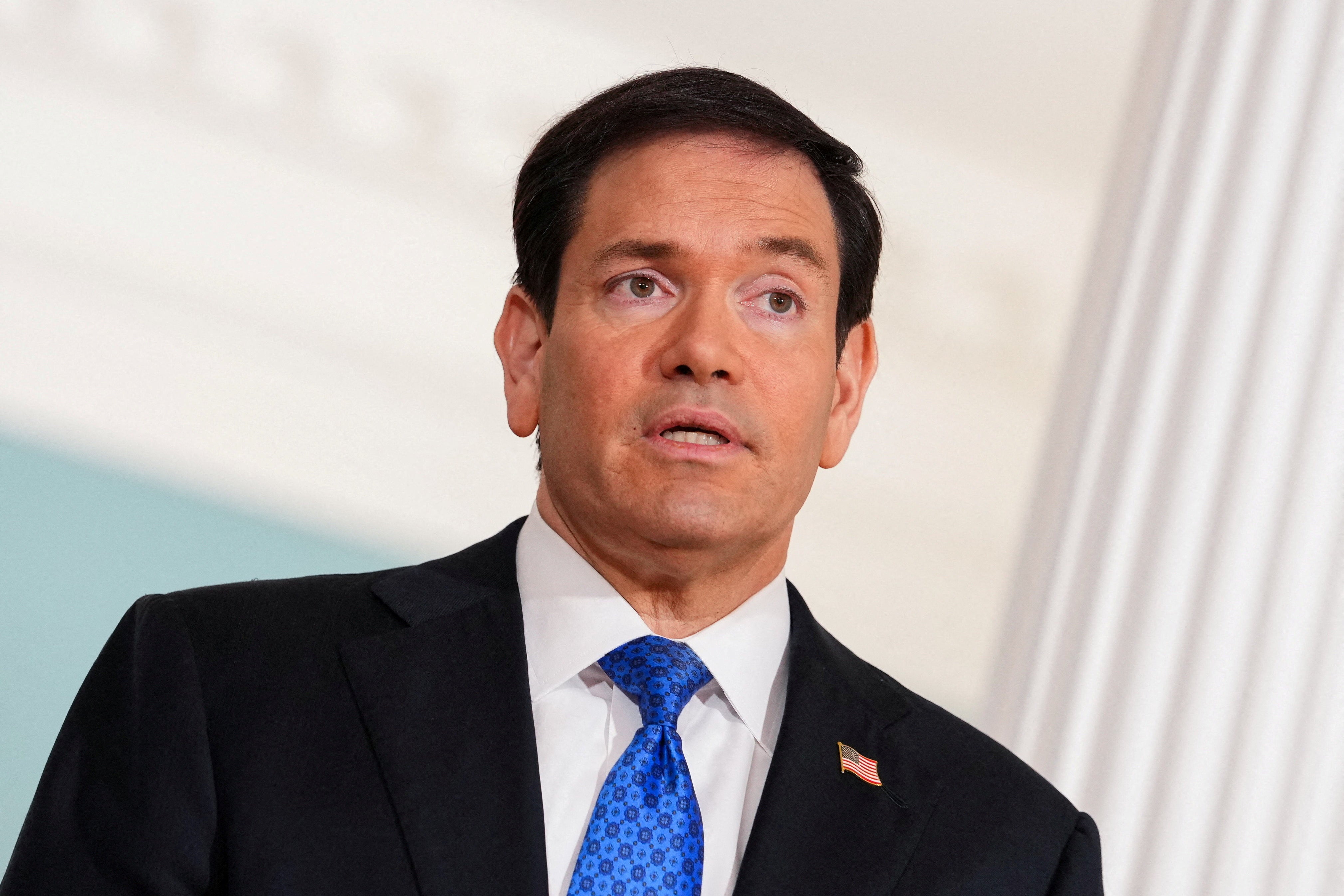 The State Department confirmed it is monitoring Jáuregui’s case but did not link the proceedings to the CIA fatalities (Reuters)
Reuters
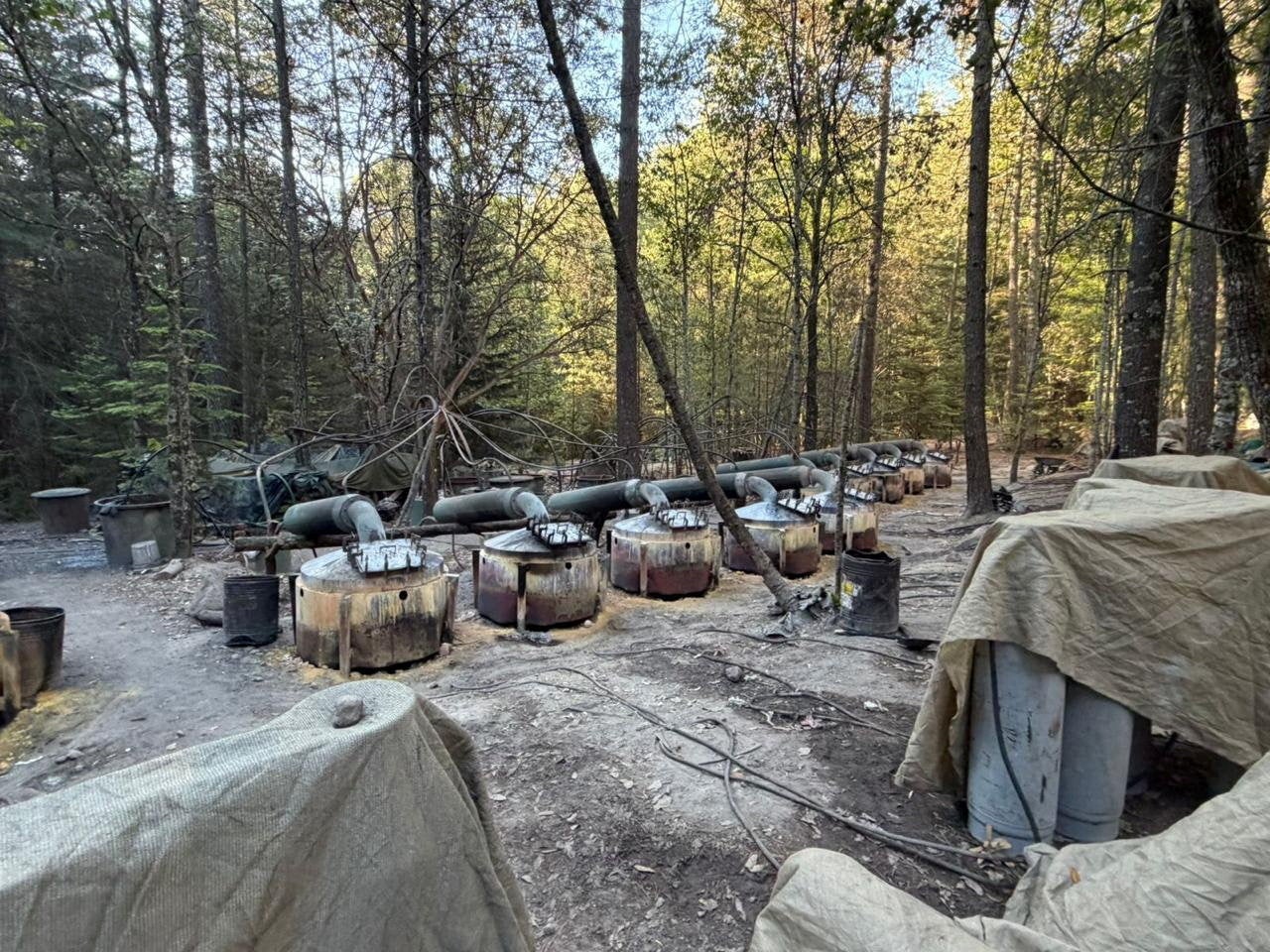 A suspected clandestine methamphetamine processing lab, according to the Attorney General's Office of Chihuahua, discovered during an operation by Mexican authorities in a mountainous area near Guachochi, in Chihuahua state, Mexico, in April (Reuters)
Reuters
 The Central Intelligence Agency (CIA) seal is displayed in the lobby of CIA Headquarters in Langley, Virginia (AFP/Getty)
AFP/Getty
A former state attorney general in Mexico could stand trial for treason after authorizing a joint field operation with the CIA without informing the federal government — a clandestine raid on a drug laboratory in Chihuahua that ended when a vehicle in the withdrawing convoy left the road and fell into a ravine, killing two CIA agents and two local officials.
César Jáuregui, the Chihuahua district attorney, resigned after the April incident to allow an inquiry, was arrested on October 17 on state charges of illegal exercise of public office, and now sits in pretrial detention at a maximum-security prison. A judge ruled the state charges can proceed to trial; a federal judge decides on Saturday whether the treason indictment — carrying five to 40 years in prison — goes forward.
The case has exposed the scale of American intelligence activity inside Mexico, where Washington has long partnered against organized crime. President Claudia Sheinbaum, who has made national sovereignty a centerpiece of her administration, was reportedly angered by the deaths. She and her predecessor Andrés Manuel López Obrador enacted legal reforms designed to prevent foreign operatives from functioning in Mexico without explicit federal authorization — reforms that now supply the legal architecture for prosecuting the local official who let them in.
Defense attorney Héctor Villasana said federal prosecutors told the court in a closed hearing they were seeking an exemplary punishment to prevent scenarios similar to the American removal of Venezuelan President Nicolás Maduro. The comparison drew pushback from the defense: coordinator Luis Villegas called the attempt to equate the agents' presence with a foreign invasion unacceptable. Legal analysts note treason is a wartime offense and exceptionally difficult to prove. Samuel González, a former chief prosecutor for organized crime, said that even if Jáuregui breached his duties by failing to notify federal authorities or allowing foreign agents to carry firearms, "it would not constitute treason."
The US State Department confirmed it is monitoring the case but did not link the proceedings to the CIA fatalities.
The details that surfaced are themselves unusual. The Federal Security Cabinet acknowledged a joint operation between the state prosecutor's office and the army had dismantled labs near Guachochi, but provided no further information. No arrests were made at the lab site because the suspects fled.
Carlos Pérez Ricart, a professor at CIDE and author of a book on a century of spies and drugs in Mexico, noted that even if the case is dismissed it will have a public impact. Legal analysts read the treason charge as politically motivated ahead of Mexico's 2027 midterm elections.
When a covert operation leaks, the local collaborator is the expendable link — and the state that ran the operation issues a statement saying it is watching.