
UK retail sales fall more than forecast in September
Clothing and food stores drag while fuel volumes recover, demand weakness and sticky inflation now argue for opposite rate responses
Images
 standard.co.uk
 standard.co.uk
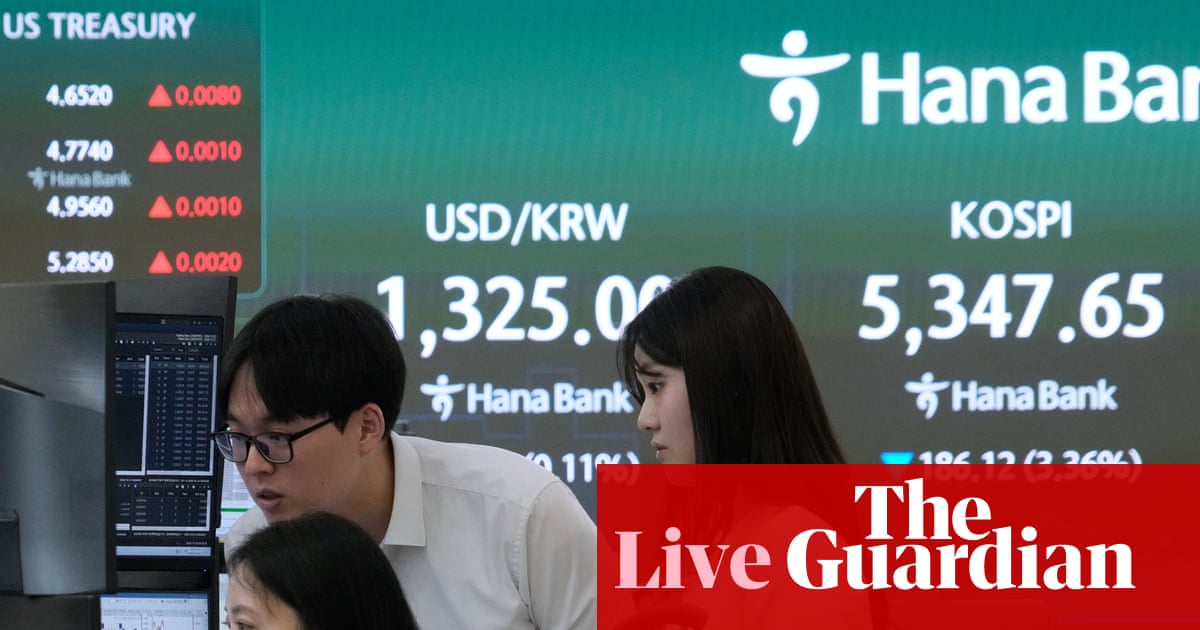 Oil hits five-month high as global stocks wobble on AI fears; retail sales in Great Britain fall as shoppers cut back - business live
theguardian.com
British retail sales volumes fell 0.4 percent in September against the previous month, the Office for National Statistics reported on Friday — a steeper drop than the 0.1 percent decline economists had forecast. Clothing and footwear retailers saw a 0.9 percent fall, which retailers themselves attributed to unusually warm weather delaying purchases of autumn and winter lines. Food store sales fell 0.4 percent, their weakest performance in four months.
The weather explanation is the one retailers volunteer, and it is partly true. But the number does not arrive in a vacuum. UK inflation stands at 3.4 percent, driven by fuel prices from the war against Iran, and around nine million households are entering winter in debt. A consumer who skips a coat in October is not forecasting a mild winter; he is out of slack. Motor fuel volumes rose 2.2 percent in September despite higher pump prices — ONS senior statistician Hannah Finselbach noted fuel demand has returned to levels last seen before the Middle East conflict began, which cuts both ways: it shows resilience, and it shows the price spike is being absorbed rather than avoided.
The quarterly picture is less dire — volumes were up 0.7 percent in the third quarter, helped by the warm weather, the World Cup, and food and drink sales. Matt Swannell, chief economic adviser to the Item Club, said non-food store volumes have been flat over the last three months, with some firms reporting customers cutting back. PwC's Jacqueline Windsor noted consumer sentiment has fallen from its end-of-summer highs, and that most retailers make their year in the final three months — a period that now collides with Chancellor John Healey's first Budget, due next week. Last year, uncertainty around a late November budget held back spending in the preceding two months.
The deeper problem sits in the data's tension. Retail sales point to demand weakness, which argues for holding or cutting rates; the inflation readings driven by war-priced fuel point to persistence, which argues for hikes. The Bank of England must now choose which series to believe, and the market has already had its say on the week — Brent crude hit a five-month high of $113 a barrel while the Nasdaq dropped 2.6 percent, its worst day since June.
The shopper who did not buy a winter coat in September will need one by December either way.