
More than 80 000 English children wait over a year for NHS care, CQC finds children's waits rose 129 percent while adult waits improved
Queues lengthen fastest for the patients who cannot vote
Images
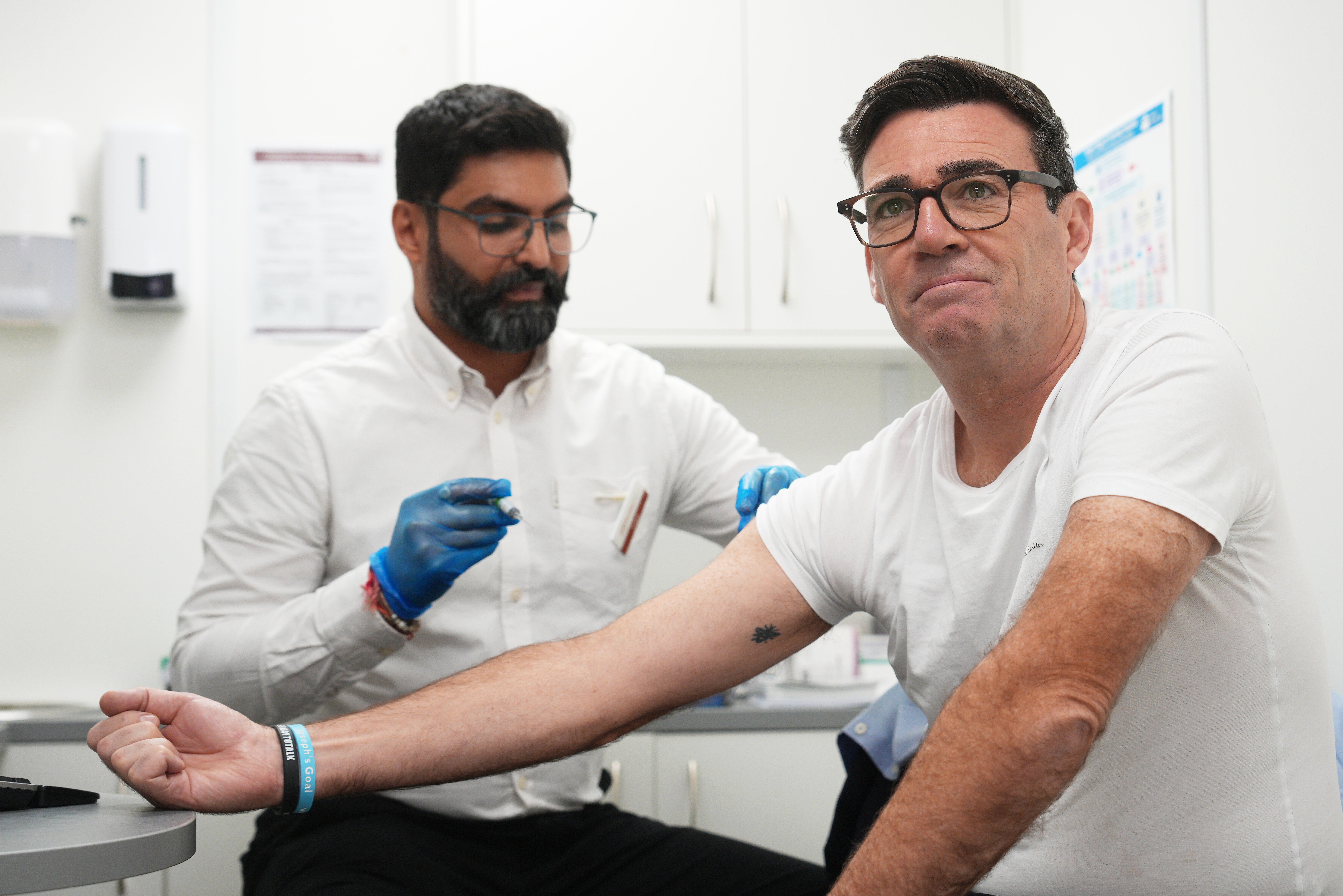 Waiting times for adults have improved (Getty)
Getty
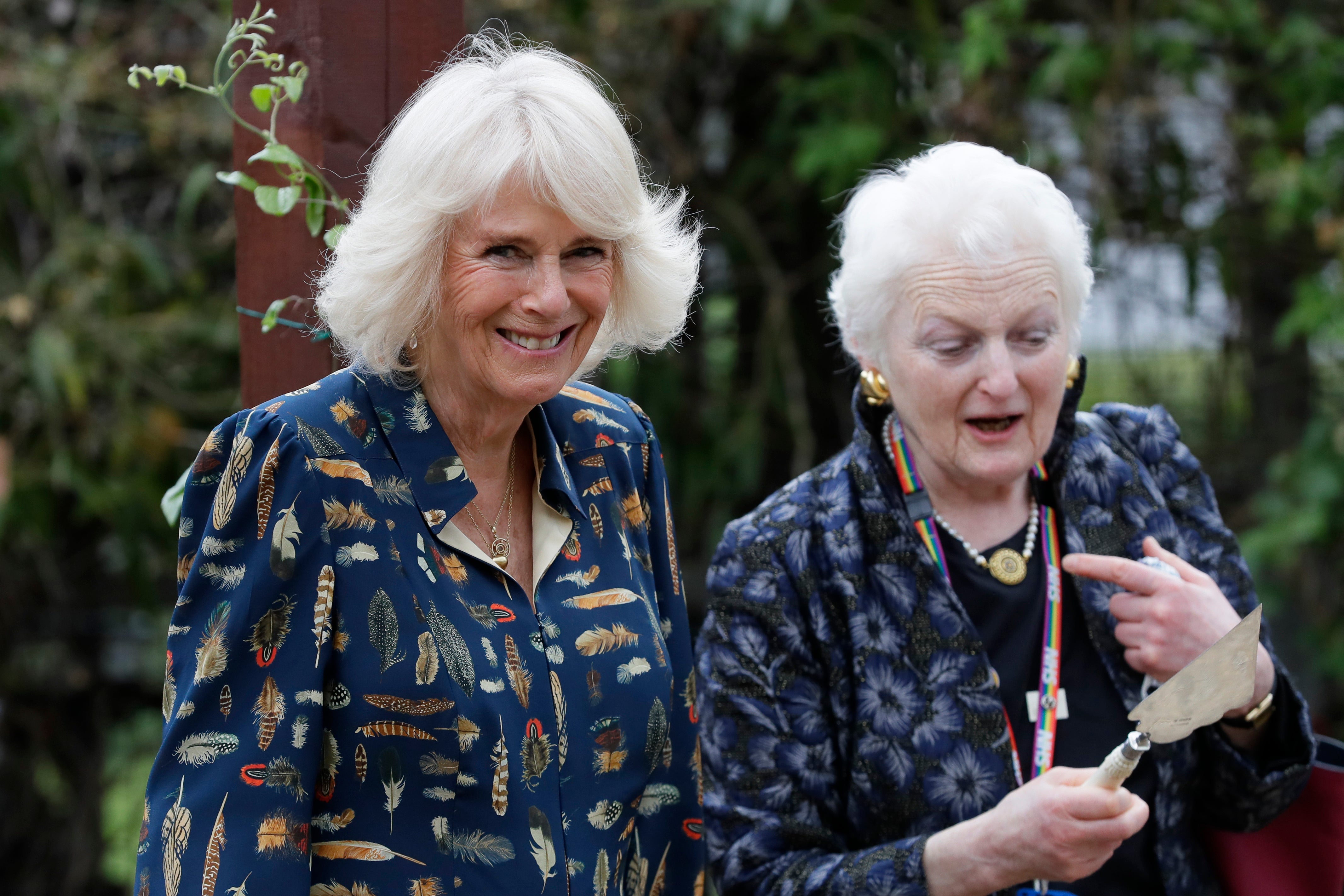 Baroness Julia Neuberger (right) has spoken out following the report (Getty)
Getty
More than 80,000 children and young people in England are waiting longer than a year for community health services, the Care Quality Commission reports — almost eleven times the number of adults waiting that long. The regulator's annual State of Care report finds children facing "some of the sharpest increases in need for care and waiting times across the system, even as some adult waiting times have improved."
The number of children and young people waiting over a year grew 129 percent in the two years to March 2026, while the number of adults waiting over a year fell. The monthly waiting list for children rose 31 percent, from 237,590 to 311,070. More than one in four children now wait over a year for treatment, according to Dr Ronny Cheung of the Royal College of Paediatrics and Child Health — who notes that behind the figures are children struggling at school, families pushed to breaking point and conditions growing more complex while they wait.
The longest delays sit in community paediatrics: the services that assess suspected autism and ADHD and provide speech and language therapy, cerebral palsy care and hearing and vision checks. The same report records a continuing decline in school nurses and health visitors despite rising demand, bronchiolitis admissions 50 percent higher than a decade ago, and regional gaps in paediatric asthma, diabetes and severe tooth decay.
The report follows the Fonagy review into youth mental health, which concluded that rising psychological distress "cannot be explained by greater awareness alone" and warned of a tipping point where demand for autism and ADHD assessments outstrips the prevalence of the conditions themselves, inviting misdiagnosis.
The NHS is funded from taxation and offers its patients no exit: a family that waits a year cannot take the money elsewhere, and the queue costs the provider nothing. The waits are lengthening fastest for the one group that cannot vote. Days earlier, Sweden's government ordered a review of eating-disorder care after finding that postcode decides whether anorexia is treated in weeks or years — care that, as in England, already has national guidelines.
By March 2026, the average young person seeking mental health treatment waited twelve months for a first appointment — double the 5.8 months of April 2023.