
German photographer wins Nikon Small World with inkjet droplets frozen mid-air
25-year-old beat 1802 entries from 69 countries after finding microscope in parents' attic, contest that rewards looking now shares a field with AI images
Images
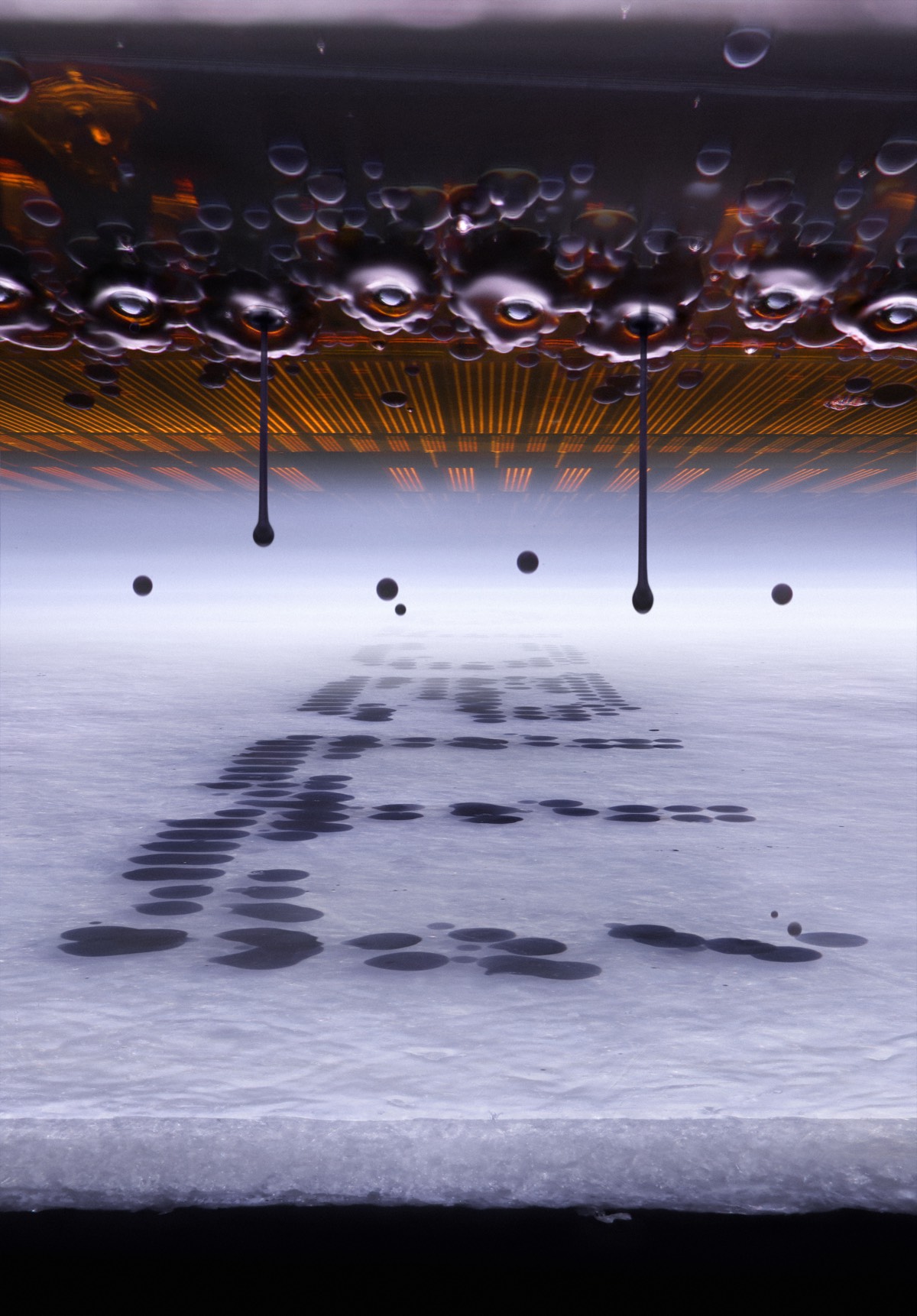 Microscopic view of an inkjet printer depositing ink on paper.
arstechnica.com
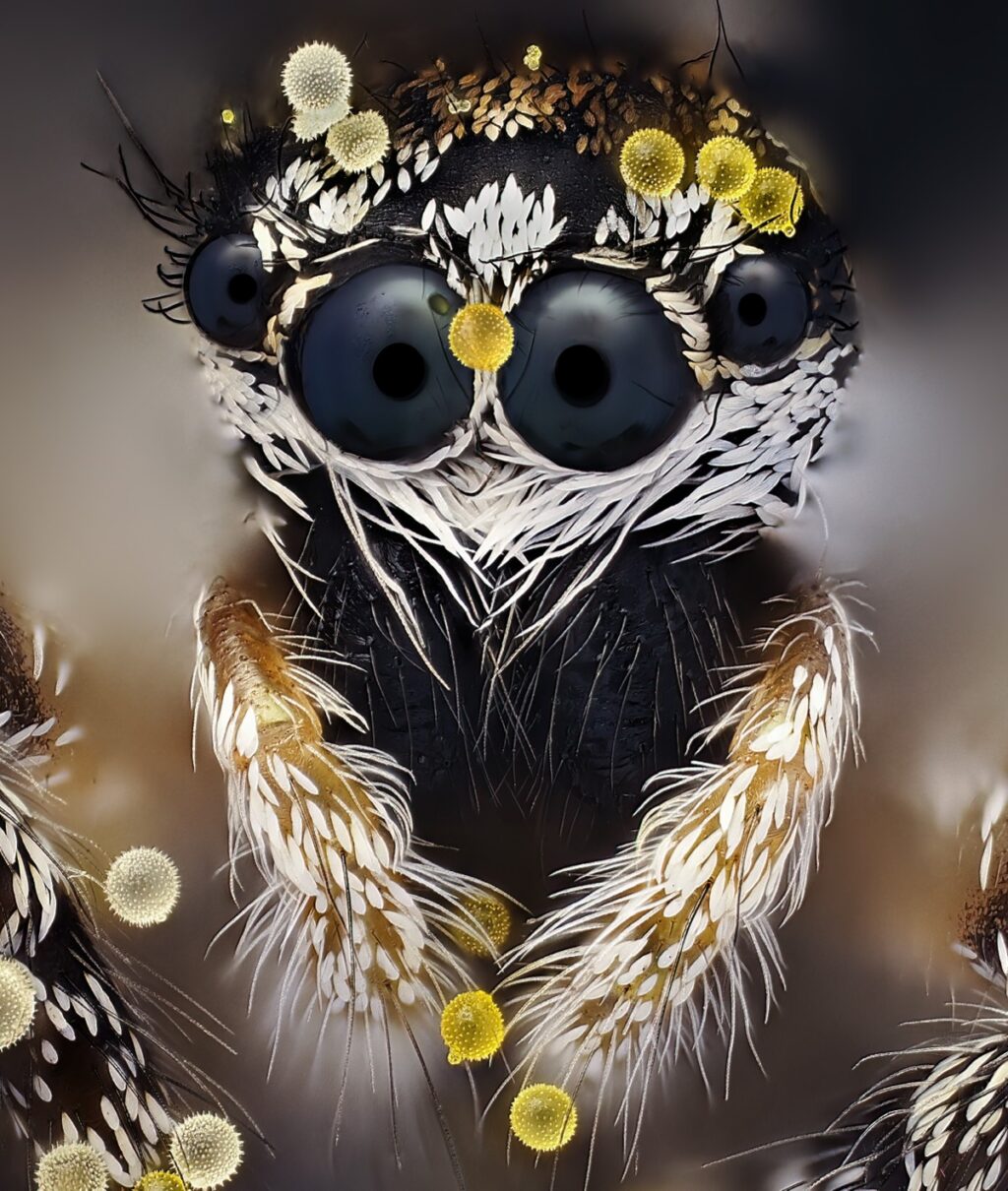 jumping spider with pollen
arstechnica.com
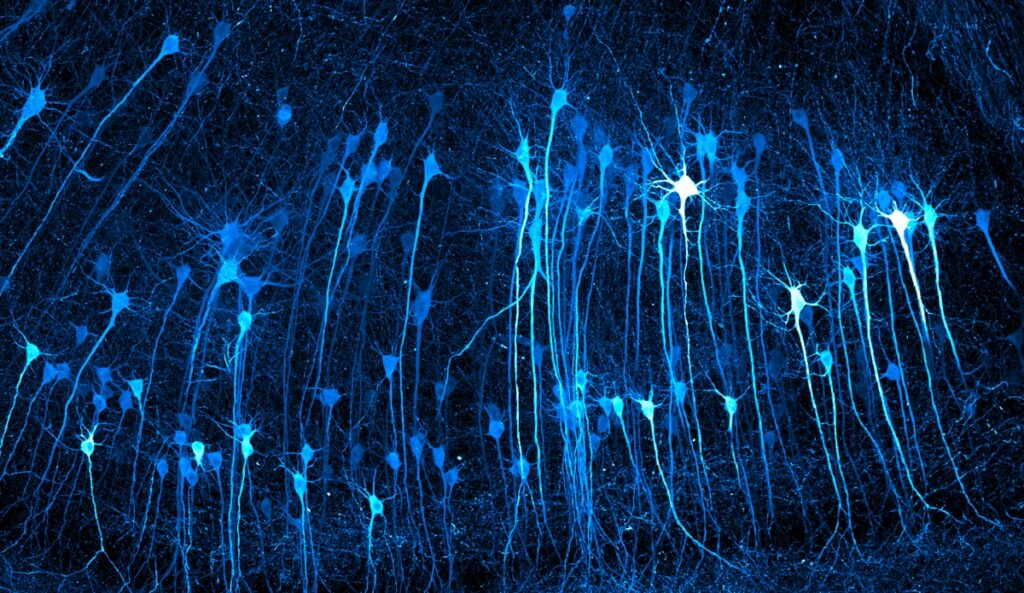 neurons in an expanded mouse brain
arstechnica.com
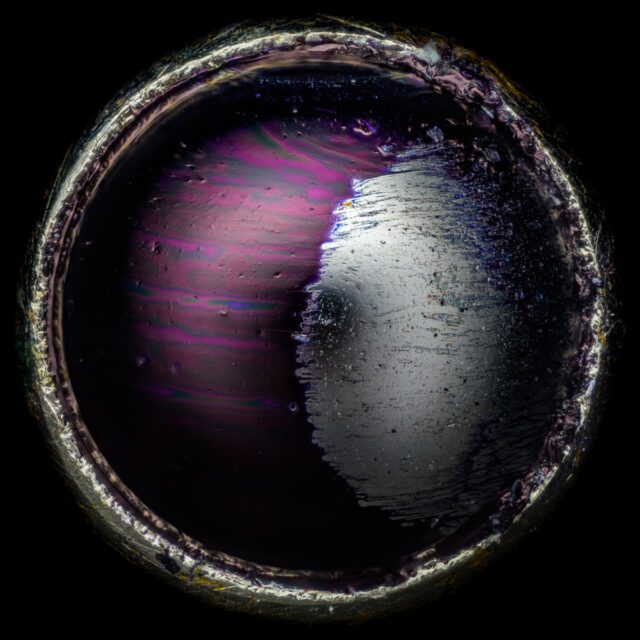 tip of a ballpoint pen
arstechnica.com
 inner structure of a closed daisy
arstechnica.com
A 25-year-old German photographer who found an old microscope in his parents' attic during the COVID-19 lockdown has won Nikon's 2026 Small World photomicrography competition, beating 1,802 entries from 69 countries. Ole Bielfeldt's winning image shows droplets of ink being deposited onto paper by an inkjet printer — a familiar object rendered unfamiliar by a microscope objective used in a way it was never designed for.
The technical problem was speed: the ink droplets move faster than a camera shutter can freeze. Bielfeldt solved it by deconstructing the printer so the paper moved beneath a stationary printhead, working in a dark room and firing a flash to serve as the shutter, catching the drops mid-air. He built his own adaptor — a tube and some wood — to connect the attic microscope to his father's camera, and taught himself the craft by trial and error, posting the results to his brand, macrofying.
Nikon's competition, founded in 1974 and now in its 52nd year, is one of the few remaining institutions that rewards looking rather than grant applications. The runners-up show what consumer optics and patient preparation now reach: a jumping spider carrying pollen, neurons in an expanded mouse brain, the tip of a ballpoint pen, slime mold fruiting bodies, human neurons reprogrammed from skin cells in a microfluidic chamber, and pencil lead during a high-voltage electrical discharge.
Eric Flem, a spokesperson for Nikon Instruments, said the winning image 'transformed a familiar object into something altogether new and previously unseen.' Bielfeldt, for his part, uses no AI in his images and prefers traditional techniques — a distinction that will only sharpen as generated imagery spreads. Nikon is producing a full-color 2027 calendar featuring the winners.