
Turkey seeks mandate to send air defense troops to Saudi Arabia, Mecca pact with Pakistan carries NATO-style Article Five clause as Pentagon pulls back
Deployment bill waits for parliamentary speaker to return from Kyrgyzstan
Images
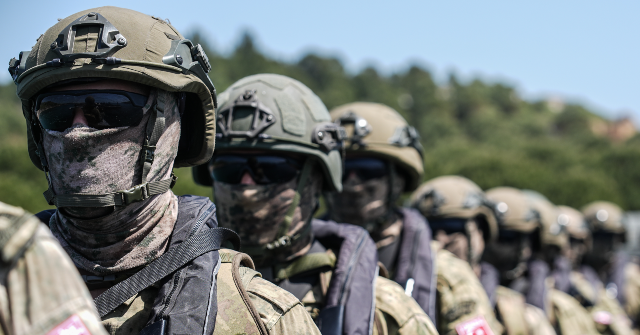 Report: Turkey Seeks Parliamentary Mandate for Sending Troops to Defend Saudi Arabia
breitbart.com
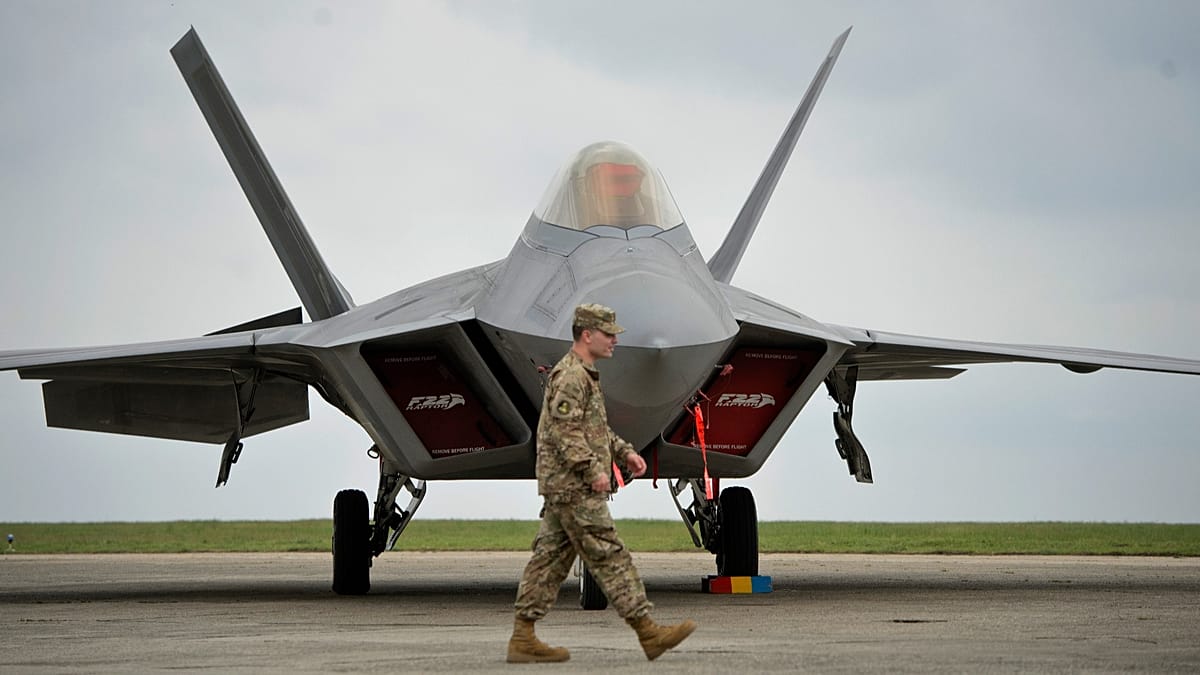 Gulf nations brace for possible return to all-out war
euronews.com
Turkey's government has begun parliamentary ratification of the Mecca Joint Defense Agreement and is preparing a mandate to send troops to defend Saudi Arabia, according to an AKP lawmaker who spoke to Reuters on condition of anonymity.
The deployment would be purely defensive, the lawmaker said: Turkish forces would be barred from joining any offensive operations against the Houthis. The first wave would consist of specialists in missile and drone defense, with Turkish media reporting that Ankara would supply low- and medium-altitude air defense systems, drone technology, and electronic warfare support — with the Saudis furnishing a base in return.
The trilateral pact, signed by Turkey, Saudi Arabia, and Pakistan in the Saudi city of Mecca in early August, contains a clause modeled on NATO's Article Five: an armed attack against any one of the three states is regarded as an attack against all. The signatories held an emergency meeting in Riyadh on October 5, after Houthi drone and missile attacks on Saudi civilian targets, where Pakistan and Turkey agreed to "provide the agreed military forces and capabilities and ensure their rapid deployment in the Kingdom."
Almost three weeks later, no Turkish or Pakistani troops are known to have deployed on Saudi ground. Pakistani Defense Minister Khawaja Asif described the two countries' forces as playing a "supporting role" in areas such as reconnaissance. The Turkish parliament never ratified the agreement — the government only began that process this week, with the deployment bill to be considered after parliamentary speaker Numan Kurtulmus returns from a Turkic-states assembly in Kyrgyzstan.
The timing is not incidental. The Pentagon has been pulling troops out of Middle East bases, the State Department has ordered nonessential personnel out of Saudi Arabia, and Washington has made clear that any new military action waits until after the November 3 midterms. Riyadh's American security guarantee now visibly carries an election calendar. Into that gap steps a NATO member selling air defense to a monarchy whose holiest city has already been struck by Houthi drones — paid, as ever, in influence rather than only in cash.
Egypt has separately promised to defend Saudi territory without joining attacks on Yemen. The Gulf's security architecture is being renationalized one bilateral deal at a time, and Ankara has priced its services accordingly: Daily Sabah reports Saudi officials have conveyed "some expectations" to the Turkish Foreign Ministry that are now being "examined."
Turkey condemned the Houthi attacks on Saudi civilian targets. What it sells in response is a defense umbrella whose seller, unlike the previous one, has no voters to answer to in November.