
Canadian airlines strip US routes from 2027 schedules
Air Canada drops five destinations while WestJet cuts ten and Air Transat exits the US entirely, snowbird routes die on load factors no subsidy will rescue
Images
 newsweek.com
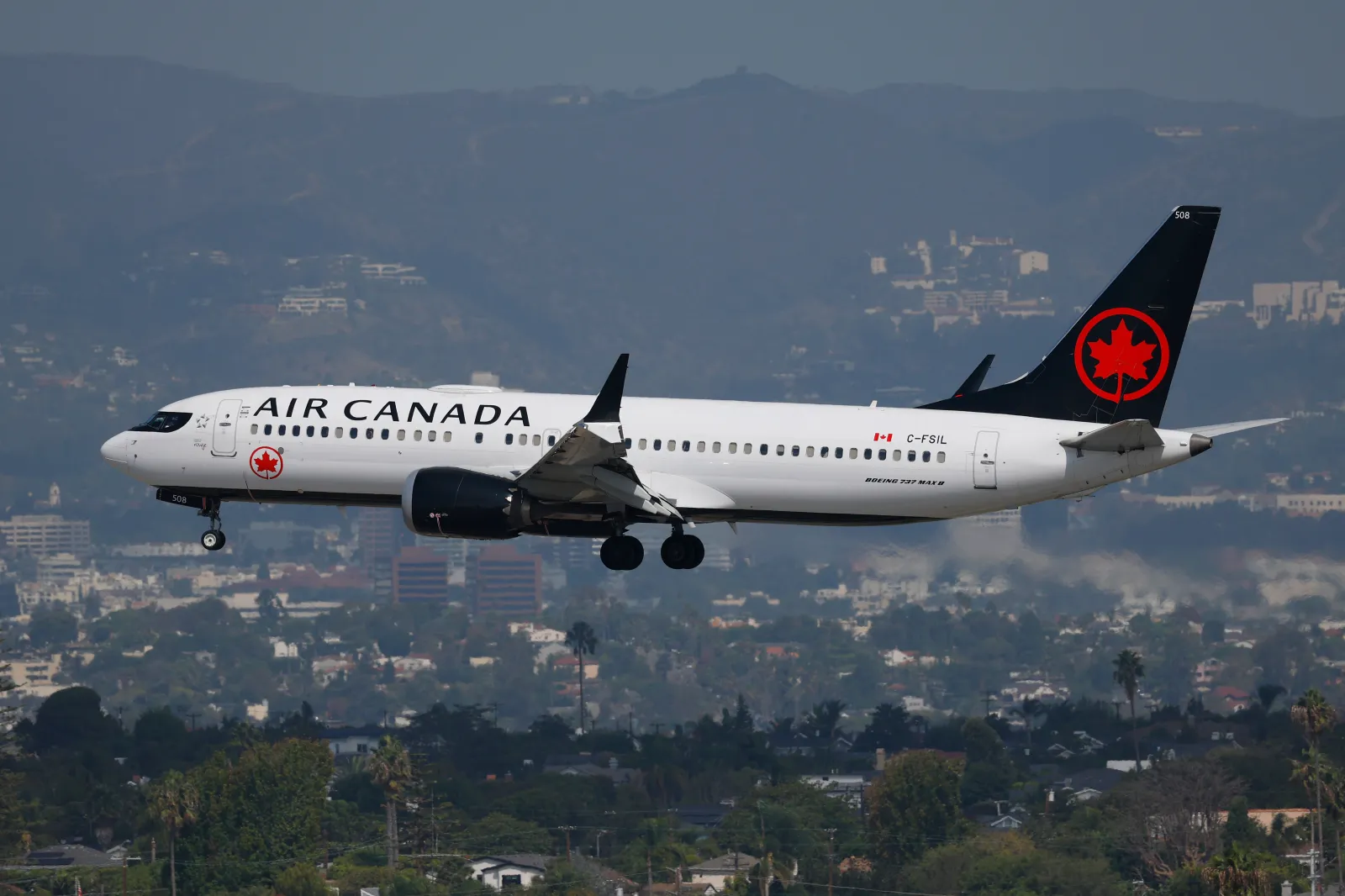 An Air Canada Rouge Boeing 737 MAX 8 approaches Los Angeles International Airport during a flight from Vancouver on September 18, 2026.
newsweek.com
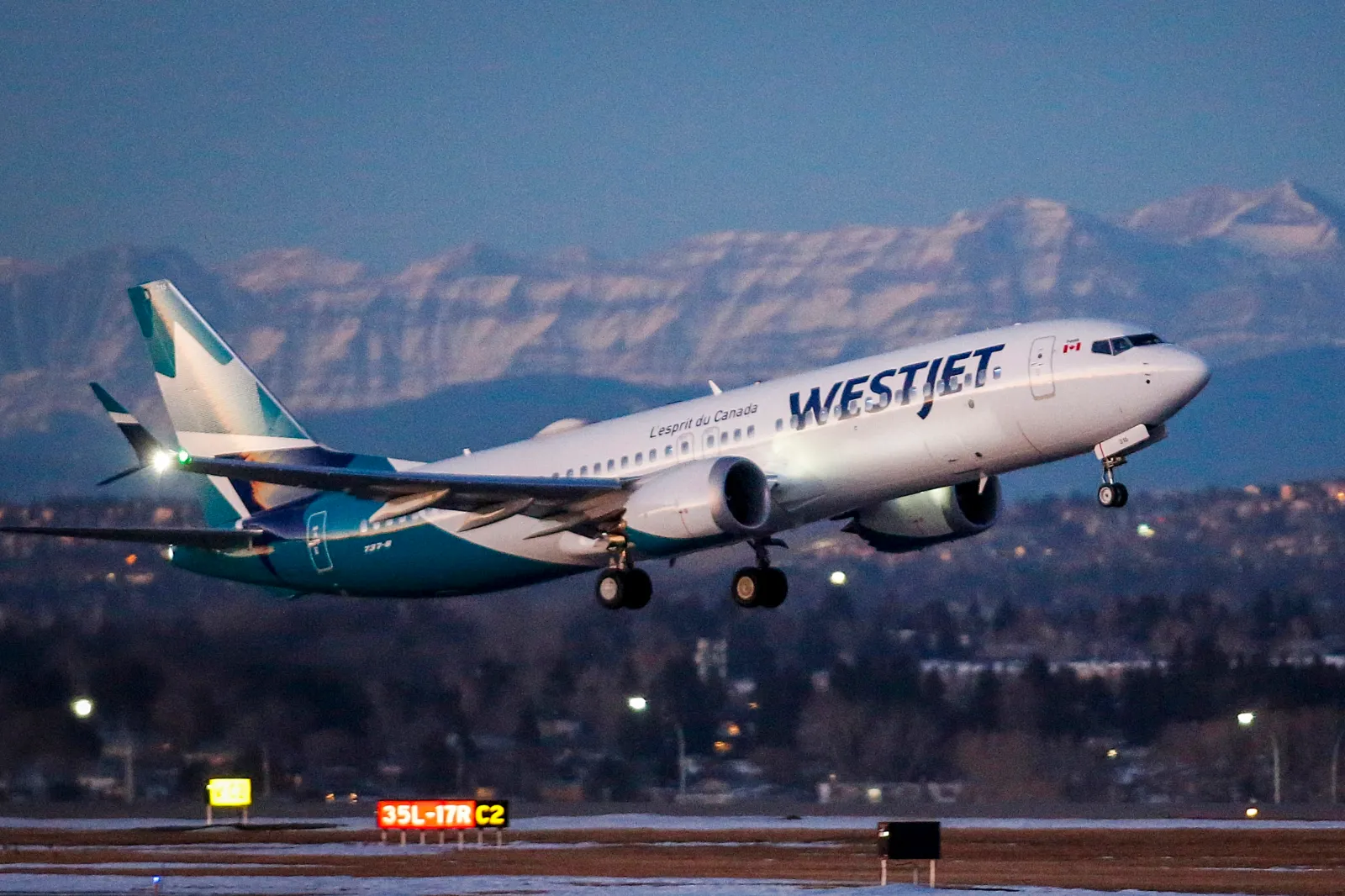 A WestJet airplane takes off from Calgary, Canada, on January 21, 2021.
newsweek.com
 President Donald Trump is pictured with Canadian Prime Minister Mark Carney during a work lunch at the G7 summit in Evian, France, on June 16, 2026.
newsweek.com
Air Canada has cancelled five routes to U.S. destinations for 2027, and WestJet has cut ten American routes this year, as Canadian carriers respond to collapsing demand for travel to the United States. Air Transat, the Montréal-based leisure carrier, ended all its U.S. flights by mid-June.
The cancellations are not spread evenly across the map. Air Canada dropped Montréal–Seattle, Toronto–Boston, Vancouver–Nashville, Vancouver–Raleigh-Durham and Toronto–Charleston. Three of those had already been suspended and were slated for reinstatement in May 2027; they have now been removed from the schedule entirely. WestJet's cuts fell hardest on Edmonton, which lost service to Atlanta, Nashville, Chicago, Seattle and San Francisco — two of those routes lasted a single season. Vancouver is left without direct flights to Lihue, Hawaii. The one new route Air Canada announced is a resumption of Toronto–Louisville service last operated in 2002.
The Toronto–Charleston route illustrates the arithmetic. Launched in March 2024 as the only Air Canada flight serving South Carolina's snowbird market, it filled just 66.5 percent of seats between March 2024 and July 2026, according to Cirium data cited by SimpleFlying. Occupancy fell from 67.8 percent in the route's first year to 62.1 percent in 2025 — despite the airline cutting capacity, which should have raised load factors. When shrinking the supply cannot stop the slide, the route dies.
Canadian travel to the United States has fallen steadily since Donald Trump returned to the White House, with a brief rebound last year that the new figures show has ended. Airlines cite political tension between Ottawa and Washington and rising fuel prices. The pattern is consistent with what happens when a consumer market decides a destination is unwelcoming: no decree, no embargo, just load factors.
The route map is unwinding decades of continental integration at the speed of a quarterly schedule revision. The state apparatus soured first — Canadian officers now decline postings with NORAD in Colorado Springs — and the market is following, one cancelled snowbird flight at a time.