
Pharma giants pay 7000 dollars into UN nature fund
Cali Fund seeks one percent of profits from companies using genetic data, top 15 drugmakers earned 161 billion dollars last year
Images
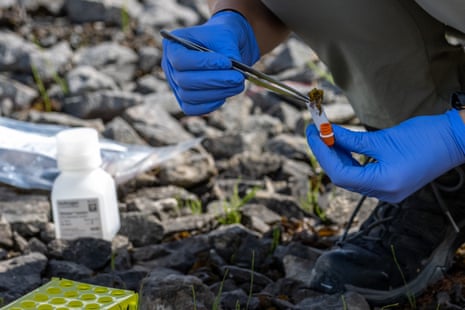 Collecting samples from nature for digital sequencing – the pharma industry relies on genetic information from organisms for the development of new medicines. Photograph: Rebecca Cole/The Guardian
theguardian.com
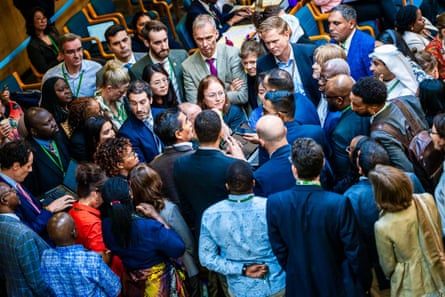 Digital sequencing was on the agenda at an August meeting in Nairobi of the body overseeing implementation of the Convention on Biological Diversity. Photograph: Danny Skilton/ENB/IISD
theguardian.com
 The Cali Fund will be discussed at Cop17 this month in Armenia’s capital, Yerevan. Photograph: Xinhua/Shutterstock
theguardian.com
A United Nations fund set up to collect money from pharmaceutical companies that profit from nature's genetic resources has received 7,085 dollars in actual deposits — less than the price of a used car — more than 18 months after its launch. The Cali Fund was designed to raise one billion dollars a year from firms that use digital sequence information, the genetic data harvested from organisms around the globe, and to direct the money towards conservation in low-income countries.
According to a study by Zero Carbon Analytics, the top 15 pharmaceutical companies could have contributed 756 million dollars last year if they had followed the fund's own guidelines, which suggest firms give one percent of profits or 0.1 percent of revenue. Those 15 companies generated roughly 161 billion dollars in profits in 2025. The sum they returned to shareholders, the analysis found, was 175 times larger than the contribution the guidelines would have asked of them. Not a single major pharmaceutical company has given money to the fund.
The industry's defence is that the requested amount is a blanket figure, and that not all medicines are built using digital sequence information. The fund's rules are voluntary, and there is no mechanism to compel payment — a structure that leaves every company with an obvious reason to wait and see whether competitors pay first. The fund was created at all because biotechnology has shifted research away from physical samples, taken under access agreements, towards genetic data stored in public databases, where the old rules on benefit-sharing do not reach.
At least half of the fund's money is meant to go to priorities set by Indigenous peoples and local communities. June Rubis, an Indigenous representative from Asia who sits on the fund's steering committee and works at Macquarie University, said the companies were 'free-riding' on nature and on the communities that defend the biodiversity their future profits depend on. Victoria Kalyvas, who authored the Zero Carbon Analytics analysis, noted that 'the future of health is written in nature's DNA' and that the industry stands to lose as much from its destruction as patients do.
The fund is part of wider efforts to close a 700 billion dollar gap in global conservation financing. It is on the agenda this week at the UN biodiversity summit, Cop17, in Yerevan, where delegates will discuss a fund whose commitments to date total 10,656 dollars.