
Toxic algae choke Europe's swimming coasts as factory farm runoff feeds the blooms
Spain's Mar Menor granted legal personhood in 2022 keeps absorbing slurry from surrounding intensive farms, recovery budget less than a sixth spent
Images
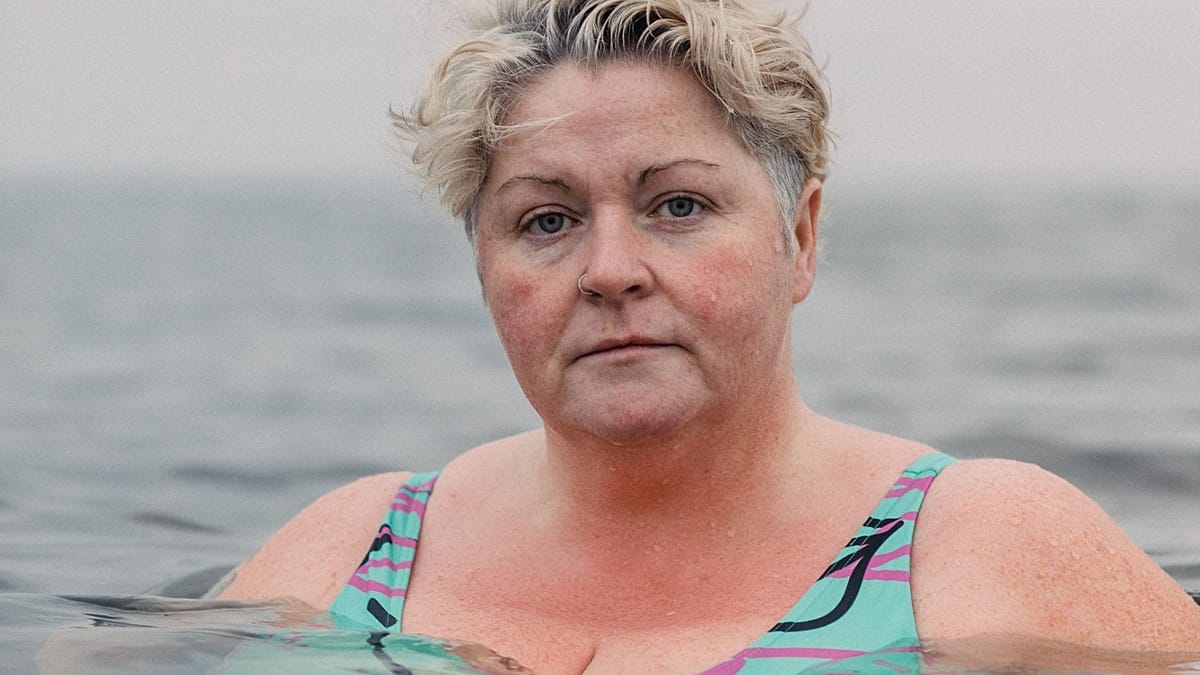 ‘Like Armageddon’: Europe’s cherished swimspots choked by algal blooms
euronews.com
Green sludge is spreading along Europe's shorelines, and the source is not the sea. Toxic algal blooms, fed by decades of fertiliser, manure and poorly treated sewage leaching into waterways, have triggered hundreds of swimming bans across the continent this summer. In Brittany, campaigner Jean Hascoet of Baie de Douarnenez Environnement traces her town's decline to the thousands of pigs farmed nearby. Warming waters — scientists estimate human-caused climate change added roughly 2°C to peak Mediterranean temperatures this year — accelerate the growth.
The Mar Menor, Europe's largest saltwater lagoon and a hotspot for Spanish and international tourists, shows how the costs are distributed. Studies attribute around 85 per cent of the nutrients feeding its cyanobacteria to intensive agriculture in the surrounding region. In the first three months of 2026 alone, local authorities collected more than 4,000 tonnes of algae from the lagoon's shores — roughly the weight of 1,000 elephants. Fisherman Rubén Albaladejo of Lo Pagán reports collapsing catches of gilt-head seabream and prawns, and water temperatures reaching 30°C, which he calls unprecedented.
Spain granted the Mar Menor legal personhood in 2022, giving it rights to protection and restoration. The designation has not changed the nutrient flow. A €675 million national recovery programme exists, but by the end of 2025 only about 16 per cent of the budget had been spent. The environment ministry is now funding eight projects worth more than €11.5 million to cut livestock pollution, including new pig slurry treatment and moving sheep to open pasture.
The pattern holds from Murcia to Northern Ireland, where fishers are facing their worst year on record. The farm upstream keeps the revenue; the beach, the fishing fleet and the tourist trade absorb the bill.