
One ECB rate meets three inflations as Iran war energy prices hit eurozone unevenly
Lithuania pays 6.1 percent after heating VAT rise while Finland posts 2.7 percent with 10.4 percent unemployment forecast, energy alone accounts for almost half of September's 3.8 percent average
Images
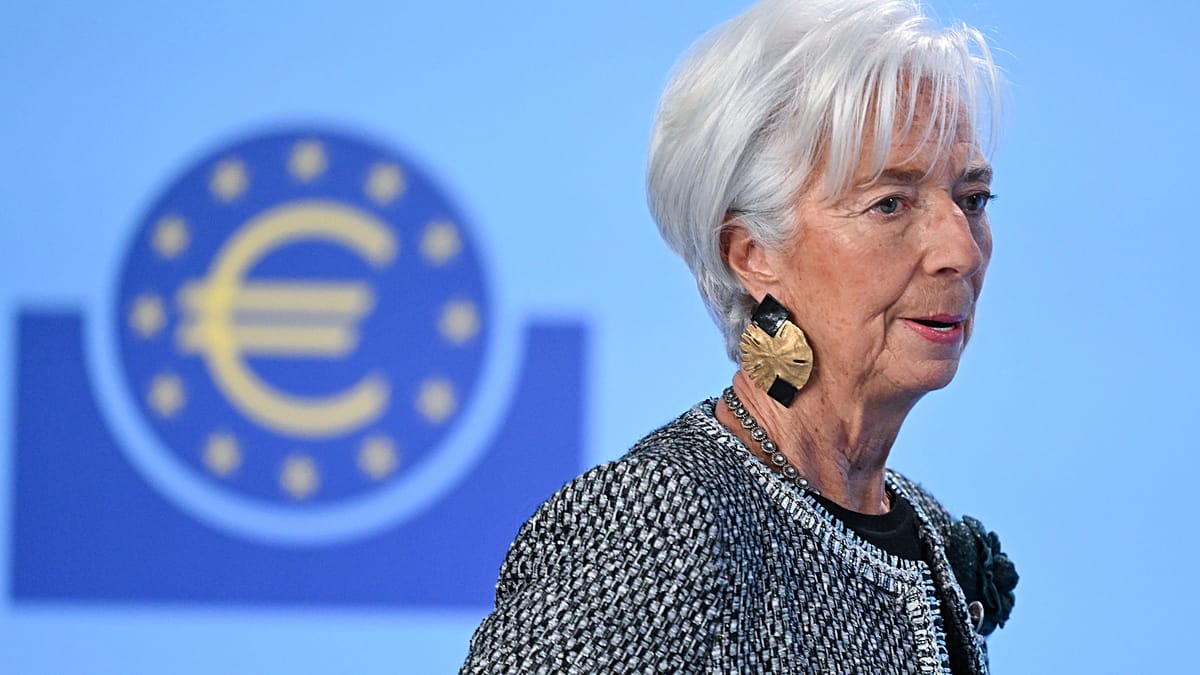 Three inflation realities. Why Europe’s price shock is so uneven
euronews.com
Finland, Germany and Lithuania share a currency, a central bank and a deposit rate of 2.50 percent. In September their annual inflation rates were 2.7, 3.3 and 6.1 percent respectively, against a euro-area average of 3.8 percent, according to Eurostat's harmonised index published in October.
The divergence has a single proximate cause: energy prices across the euro area rose 18.9 percent in September, adding 1.71 percentage points to headline inflation — almost half the total. Strip energy out and euro-area inflation falls to 2.3 percent, comfortably near target. The Iran war's fuel shock is landing very unevenly on countries that share a currency but not an energy mix.
Lithuania sits at the sharp end. Energy prices there jumped 33 percent, and the government itself made it worse: Vilnius raised VAT on residential heating, hot water and firewood from 9 to 21 percent in January, a change its own draft budget estimates adds half a percentage point to inflation. The IMF attributes the surge to elevated energy prices, import dependence, strong domestic demand and higher excise duties. Core inflation stands at 3.9 percent, services inflation at 6.9 percent, and the Bank of Lithuania expects average wages to rise 9.4 percent this year — with the European Commission linking services inflation to an 11.1 percent rise in the minimum wage.
Finland shows what a different energy position buys. Energy inflation of 13.1 percent fed into headline inflation of just 2.7 percent, because, per the European Commission, Finland's low reliance on fossil fuels softened the shock; Statistics Finland found cheaper electricity and housing costs restrained the national index. Core inflation is 1.4 percent, services 1.7 percent — but the Bank of Finland forecasts 10.4 percent unemployment this year and the Commission expects GDP growth of just 0.8 percent. Weak demand is doing the disinflating.
Germany splits the difference. Energy inflation ran at 13.4 percent, with Destatis recording motor fuel up 37.1 percent and heating oil up 74.9 percent in the national index; excluding both, inflation was 1.8 percent. Berlin has responded with fiscal tools rather than monetary ones — existing federal measures lowering electricity, gas and district-heating prices, plus a fuel-tax cut that took effect on 1 October. Negotiated wages rose 2.9 percent year on year in August, and the Bundesbank projects the same average for 2026.
One deposit rate now binds three economies running at visibly different speeds, and each government is reaching for its own fiscal fixes — a heating VAT rise in Vilnius, a fuel-tax cut in Berlin — while Frankfurt holds a single lever. Lithuania's inflation figure was produced in part by its own finance ministry, and Finland's low number coexists with double-digit unemployment.